
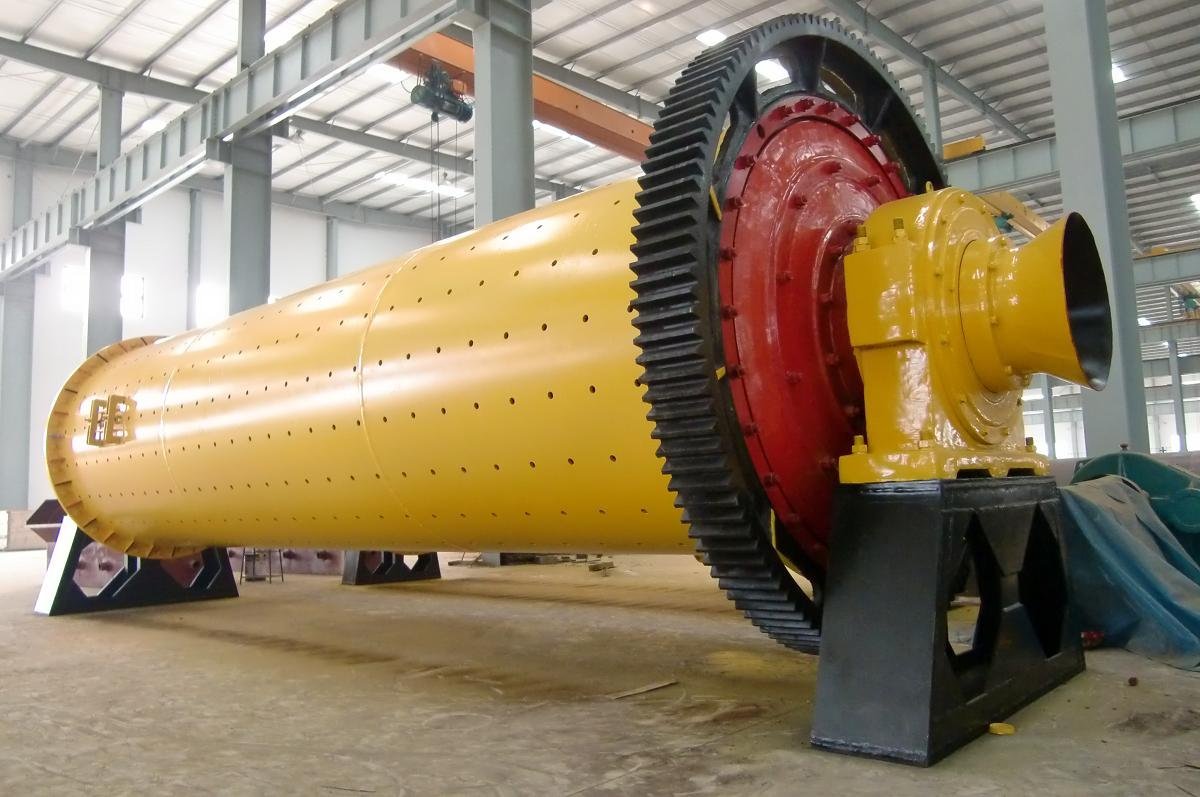
Price for Used Ball Mill with 5 Tons Per Hour Capacity
We provide a wide range of mills — including Raymond mill, trapezoidal mill, vertical mill, ultrafine mill, and ball mill, obtained ISO9001 international quality certification, EU CE certification, and Customs Union CU-TR certification. Suitable for processing minerals such as limestone, phosphate, quicklime, kaolin, talc, barite, bentonite, calcium carbonate, dolomite, coal, gypsum, clay, carbon black, slag, cement raw materials, cement clinker, and more.
The discharge range of these mills can be adjusted to meet specific processing needs, typically from 80-400 mesh, 600-3250 mesh, and can achieve the finest particle size of up to 6000 mesh(D50).
If you are looking for a reliable grinding solution to turn stone or minerals into fine powder, please feel free to contact our online customer service.
Understanding the Market for a 5 TPH Used Ball Mill
When sourcing a used ball mill with a capacity of around 5 tons per hour, several factors come into play that determine the final price. The condition of the mill, the age, the manufacturer, and included accessories all significantly influence the cost. While a used ball mill can represent a lower initial investment, it’s crucial to consider potential maintenance costs, wear part replacement, and its overall energy efficiency compared to newer technologies.
Key Considerations Before Purchase
Inspecting the mechanical and electrical components is paramount. Check the condition of the liners, gears, and the motor. A mill that has been well-maintained will have a higher price but save you money on immediate repairs. Furthermore, verify the mill’s historical usage; one used for softer materials like limestone will generally be in better shape than one used for abrasive ores.
Beyond the Ball Mill: Modern Alternatives
While a used ball mill might seem like a cost-effective solution, modern grinding technology offers far superior efficiency, lower operating costs, and better environmental performance. For operations requiring a capacity of 5 tph, a ball mill might not be the most economical choice in the long run due to its relatively high energy consumption and maintenance needs.
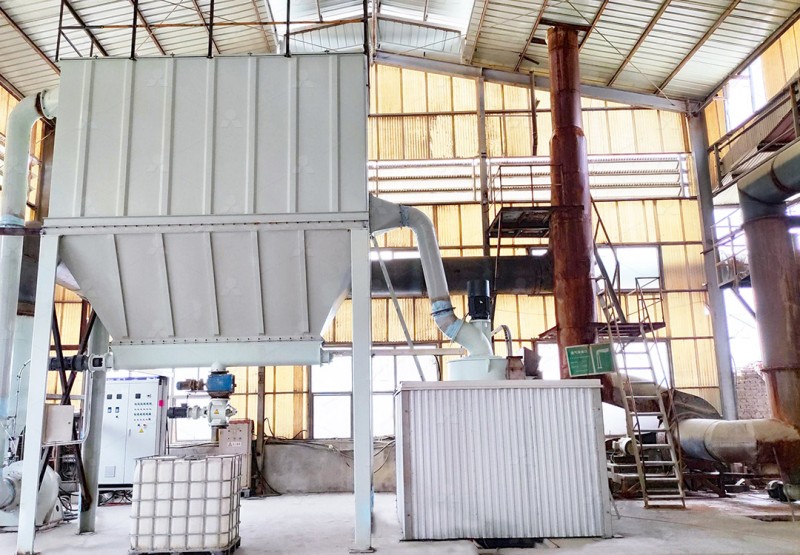
For clients seeking to produce ultra-fine powder, we highly recommend considering our MW Ultrafine Grinding Mill. It’s specifically engineered for higher yielding and lower energy consumption. With a capacity range of 0.5-25 tph, it perfectly encompasses your 5 tph requirement. Its innovative design features no rolling bearings or screws in the grinding chamber, drastically reducing maintenance worries and downtime. The efficient pulse dust collector ensures eco-friendly operation, a significant advantage over traditional ball mills.
Another Excellent Option: LUM Ultrafine Vertical Grinding Mill
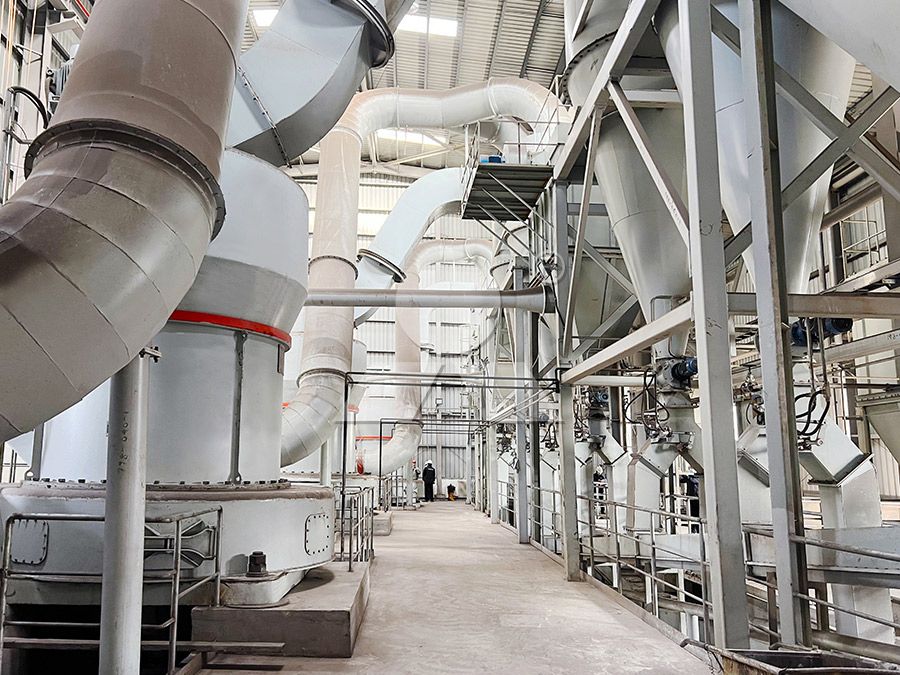
Another fantastic product in our portfolio is the LUM Ultrafine Vertical Grinding Mill. With an input size of 0-10mm and a capacity of 5-18 tph, it is another ideal candidate for your production needs. It boasts more energy-saving multi-head powder separating technology, reducing energy consumption by 30%-50% compared to common grinding mills. Its reversible structure makes maintenance easier and faster, minimizing shutdown losses.
Conclusion: Invest in Efficiency
While the upfront price of a used 5 TPH ball mill might be attractive, the total cost of ownership, including power consumption, spare parts, and maintenance, can be high. Investing in a new, efficient mill like our MW or LUM series provides not just a machine, but a long-term, reliable, and cost-effective grinding solution. We encourage you to contact our technical team for a detailed consultation to find the perfect mill for your specific application.