
Key Production Processes in a Grinding Mill Plant Operation
We provide a wide range of mills — including Raymond mill, trapezoidal mill, vertical mill, ultrafine mill, and ball mill, obtained ISO9001 international quality certification, EU CE certification, and Customs Union CU-TR certification. Suitable for processing minerals such as limestone, phosphate, quicklime, kaolin, talc, barite, bentonite, calcium carbonate, dolomite, coal, gypsum, clay, carbon black, slag, cement raw materials, cement clinker, and more.
The discharge range of these mills can be adjusted to meet specific processing needs, typically from 80-400 mesh, 600-3250 mesh, and can achieve the finest particle size of up to 6000 mesh(D50).
If you are looking for a reliable grinding solution to turn stone or minerals into fine powder, please feel free to contact our online customer service.
Key Production Processes in a Grinding Mill Plant Operation
Operating a grinding mill plant efficiently requires a deep understanding of its core production processes. From raw material intake to final product collection, each stage plays a critical role in determining the quality, yield, and overall operational efficiency. Let’s break down these key stages and see how modern equipment, like our own MW Ultrafine Grinding Mill, optimizes each step.
1. Raw Material Preparation and Feeding
The journey begins with raw material preparation. Materials like limestone, calcite, or dolomite are first crushed to a specific feed size, typically between 0-20mm. This is crucial for efficient grinding. A vibrating feeder then consistently and evenly transports this pre-crushed material into the grinding chamber. An uneven feed can cause vibration, reduce efficiency, and lead to premature wear.
2. The Core Grinding Mechanism
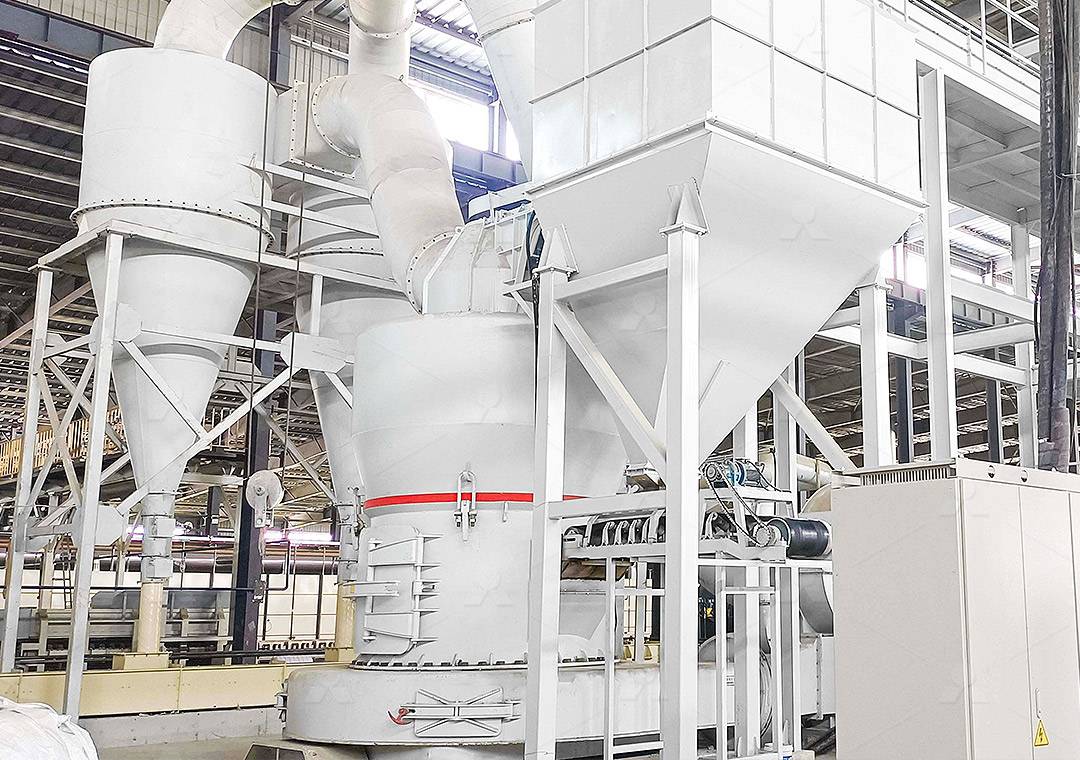
This is the heart of the operation. Inside the mill, the material is ground between rotating rollers and a static ring. The design of these components is paramount. For instance, our MW Ultrafine Grinding Mill features newly designed grinding curves on its roller and ring, which dramatically enhance grinding efficiency. This design, coupled with the absence of rolling bearings and screws in the grinding chamber, eliminates common failure points and allows for continuous 24/7 operation. The result is a production capacity up to 40% higher than jet mills and double that of ball mills, all while consuming significantly less energy.
3. Classification and Powder Selection
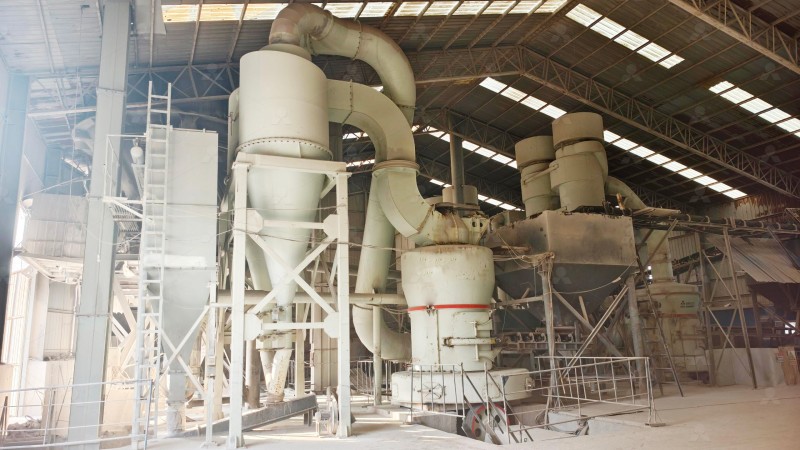
After grinding, the powdered material is carried by an air stream to a classifier. This stage is vital for determining the final product’s fineness. Advanced mills utilize cage-type powder selectors. Our MW mill, for example, incorporates German technology in its selector, allowing for precise separation and adjustable fineness between 325 and 2500 meshes. This ensures you get the exact particle size distribution you need, achieving a screening rate of d97≤5μm in a single pass.
4. Product Collection and Dust Management
The fine powder that meets the size requirement is separated from the air stream in a cyclone collector or a baghouse filter. Modern plants prioritize environmental responsibility, making dust management non-negotiable. Efficient pulse dust collectors are essential. The MW Ultrafine Grinding Mill is equipped with such a system, ensuring no dust pollution during operation. Combined with silencers, the entire milling process adheres strictly to national environmental protection standards, making operations cleaner and safer for personnel.
5. System Automation and Control
Today’s grinding plants are highly automated. Digital control systems manage feed rates, grinding pressure, classifier speed, and internal temperature. This level of control, often facilitated by PLCs, ensures consistent product quality, optimizes energy consumption, and allows for quick adjustments between different production demands. It also enables remote monitoring, reducing the need for constant manual intervention.
Choosing the Right Mill for Your Process
Selecting the appropriate grinding mill is the most critical decision. For operations requiring ultra-fine powders with high efficiency and low operational worries, the MW Ultrafine Grinding Mill is an exceptional choice. Its combination of higher yield, lower energy consumption, precise classification, and robust, maintenance-friendly design makes it a standout solution for producing fine powders for chemicals, paints, cosmetics, and more.
Remember, a well-designed process supported by the right technology is the key to profitable and sustainable grinding operations. Investing in advanced machinery pays off through reduced downtime, lower energy bills, and a superior final product.