
Raw Materials Used in Steel Re-Rolling Mills: Types and Properties
We provide a wide range of mills — including Raymond mill, trapezoidal mill, vertical mill, ultrafine mill, and ball mill, obtained ISO9001 international quality certification, EU CE certification, and Customs Union CU-TR certification. Suitable for processing minerals such as limestone, phosphate, quicklime, kaolin, talc, barite, bentonite, calcium carbonate, dolomite, coal, gypsum, clay, carbon black, slag, cement raw materials, cement clinker, and more.
The discharge range of these mills can be adjusted to meet specific processing needs, typically from 80-400 mesh, 600-3250 mesh, and can achieve the finest particle size of up to 6000 mesh(D50).
If you are looking for a reliable grinding solution to turn stone or minerals into fine powder, please feel free to contact our online customer service.
Raw Materials Used in Steel Re-Rolling Mills: Types and Properties
Steel re-rolling mills are the backbone of the secondary steel sector, transforming semi-finished steel products into various shapes and sizes required by end-users. The quality of the final rolled product is intrinsically linked to the quality and properties of the raw materials used. Understanding these inputs is crucial for optimizing mill operations and product quality.
Primary Raw Materials: Billets, Blooms, and Slabs
The primary raw materials for re-rolling mills are semi-finished steel products. These are typically produced in integrated steel plants or through electric arc furnaces (EAF) and continuous casting processes.
- Billets: These are small, square or rectangular cross-section ingots (common sizes: 100×100 mm to 150×150 mm). They are the most common input for bar and rod mills, producing products like rebars, rounds, squares, and angles.
- Blooms: Larger in cross-section than billets, blooms are used to produce heavier sections like beams, channels, and heavy angles. They are often rolled from larger ingots.
- Slabs: These have a rectangular cross-section with a much greater width than thickness. Slabs are the starting material for producing plates, sheets, and strips in plate mills or hot strip mills.
The chemical composition (grades of steel like Fe415, Fe500, Fe550) and surface quality of these semi-finished products are paramount. Defects like cracks, seams, slag inclusions, or improper chemical composition will carry through the rolling process, resulting in rejected final products.
Key Properties of Raw Materials
Several properties of the raw material directly affect the rolling process and the mechanical properties of the finished goods:
- Chemical Composition: Determines the steel grade (e.g., mild steel, high-strength low-alloy steel) and its inherent properties like strength, ductility, weldability, and corrosion resistance. Carbon content is a particularly critical factor.
- Surface Condition: The surface must be as free as possible from defects. Scales, rust, and cracks can lead to surface imperfections on the rolled product.
- Internal Soundness: The internal structure should be homogeneous without significant porosity, piping, or segregation of alloys. This ensures uniform deformation and strength throughout the product.
- Dimensions and Tolerance: Consistent size and shape of the input material ensure stable feeding into the rolling mill stands and minimize cobbles (rolling accidents).
- Temperature: Billets are reheated in a furnace to a uniform temperature (typically 1100°C – 1250°C) before rolling. Uniform heating is essential for consistent deformation and reduced rolling force.
Auxiliary Materials and Their Role
Beyond the primary steel input, re-rolling mills consume several other raw materials critical to the process:
- Refractories: Used to line the reheating furnaces. Their quality affects fuel efficiency and the consistency of billet heating.
- Rolls: The workhorses of the mill. Made from cast iron, cast steel, or forged steel, their hardness, wear resistance, and ability to withstand thermal shock are vital for maintaining product dimensions and surface finish.
- Lubricants and Coolants: Used in specific rolling processes to reduce friction, control roll wear, and manage the temperature of the rolls and the steel.
- Scrap: While not a direct input for re-rolling, generated mill scale and crop ends are often sold back to steelmakers as feedstock for the EAF process.
Enhancing Efficiency with Advanced Preparation
Some mills further process their raw materials to improve quality or efficiency. One key area is the preparation of additives and desulfurizing agents used in steelmaking upstream, which require ultra-fine grinding to be effective. This is where advanced milling technology becomes indispensable.
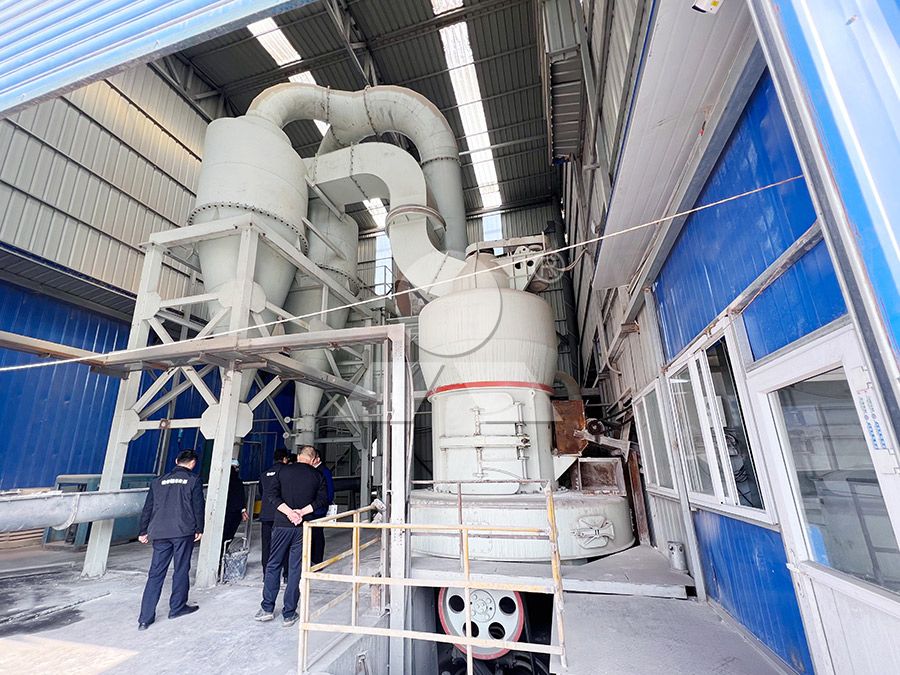
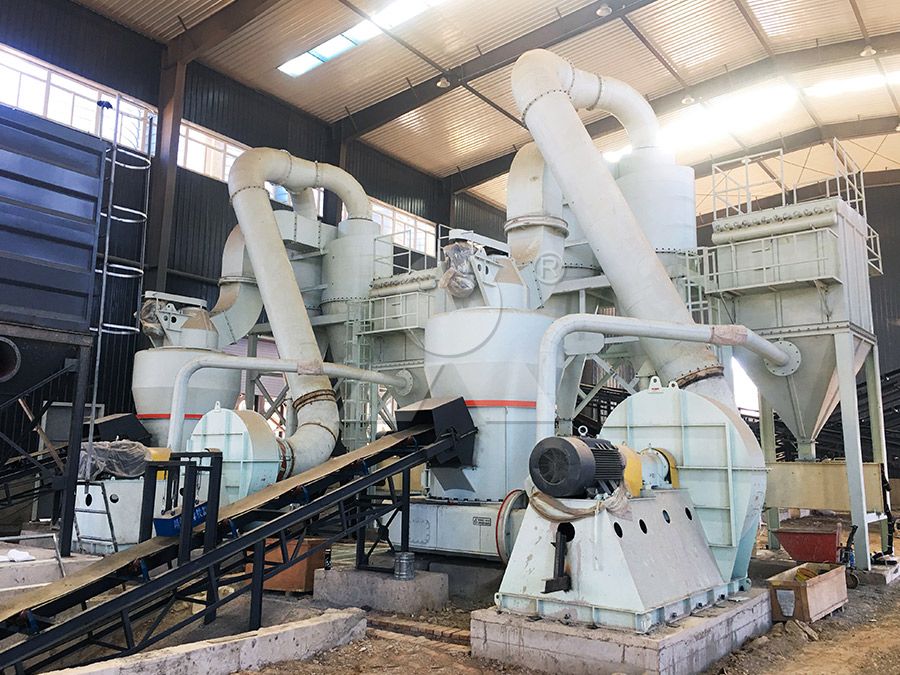
For instance, grinding limestone or other fluxing agents to a very fine powder increases their reactivity during the steelmaking process, leading to cleaner steel with fewer inclusions. We recommend our MW Ultrafine Grinding Mill for such demanding applications. It’s engineered to produce high-quality ultra-fine powder from various non-metallic minerals. With an input size of 0-20 mm and a capacity range of 0.5-25 tph, it’s perfectly suited for preparing auxiliary raw materials. Its higher yielding and lower energy consumption, thanks to newly designed grinding curves, make it a cost-effective solution. Furthermore, the adjustable fineness between 325-2500 meshes allows mills to precisely tailor the powder to their specific process requirements, ensuring optimal performance in the final steel product.
Another excellent option for raw material preparation is the LUM Ultrafine Vertical Grinding Mill. It integrates grinding, grading, and transporting, offering a compact and efficient solution for producing superfine dry powder from minerals like limestone and dolomite, which are crucial in metallurgical processes.
Conclusion
The selection and quality control of raw materials are fundamental to the success of any steel re-rolling operation. From the chemical makeup of the billets to the fineness of additives, every input plays a role in determining the efficiency of the mill and the quality of the final construction bars, structural sections, or plates that drive our infrastructure and industry. Investing in high-quality raw materials and the technology to prepare them, such as advanced grinding mills, is not an expense but a necessity for achieving competitiveness and excellence in the market.