
Market Distribution Channels for Dolomite Powder Production
We provide a wide range of mills — including Raymond mill, trapezoidal mill, vertical mill, ultrafine mill, and ball mill, obtained ISO9001 international quality certification, EU CE certification, and Customs Union CU-TR certification. Suitable for processing minerals such as limestone, phosphate, quicklime, kaolin, talc, barite, bentonite, calcium carbonate, dolomite, coal, gypsum, clay, carbon black, slag, cement raw materials, cement clinker, and more.
The discharge range of these mills can be adjusted to meet specific processing needs, typically from 80-400 mesh, 600-3250 mesh, and can achieve the finest particle size of up to 6000 mesh(D50).
If you are looking for a reliable grinding solution to turn stone or minerals into fine powder, please feel free to contact our online customer service.
Navigating the Maze: Distribution Channels for Dolomite Powder
The global market for dolomite powder is vast and varied, serving critical roles in agriculture, construction, glass manufacturing, steel production, and as a filler in plastics and paints. For producers, selecting the right distribution channel is not just about logistics; it’s about strategic market positioning, customer access, and ultimately, profitability. The path from the grinding mill to the end-user is multifaceted, and understanding these routes is paramount for any successful operation.
Primary Distribution Models
Traditionally, distribution channels for industrial minerals like dolomite powder fall into three main categories:
1. Direct Sales (B2B): This involves selling directly to large-volume industrial consumers, such as steel plants or large glass manufacturers. This model fosters strong technical relationships, allows for custom grinding to precise specifications, and often involves long-term supply contracts. It requires a robust technical sales team but cuts out intermediary margins.
2. Distributors and Agents: For reaching a broader, more fragmented customer base—especially smaller factories or operations in geographically dispersed regions—distributors are indispensable. They hold inventory, provide local sales support, and handle logistics. Their established networks offer market penetration that would be costly and time-consuming to develop independently.
3. Online Marketplaces and E-commerce: A rapidly growing channel, particularly for smaller orders and specialty grades. Platforms like Alibaba, trade-specific B2B portals, and even a company’s own e-commerce site can connect producers with international buyers, offering transparency and ease of transaction.
The Critical Role of Production Technology
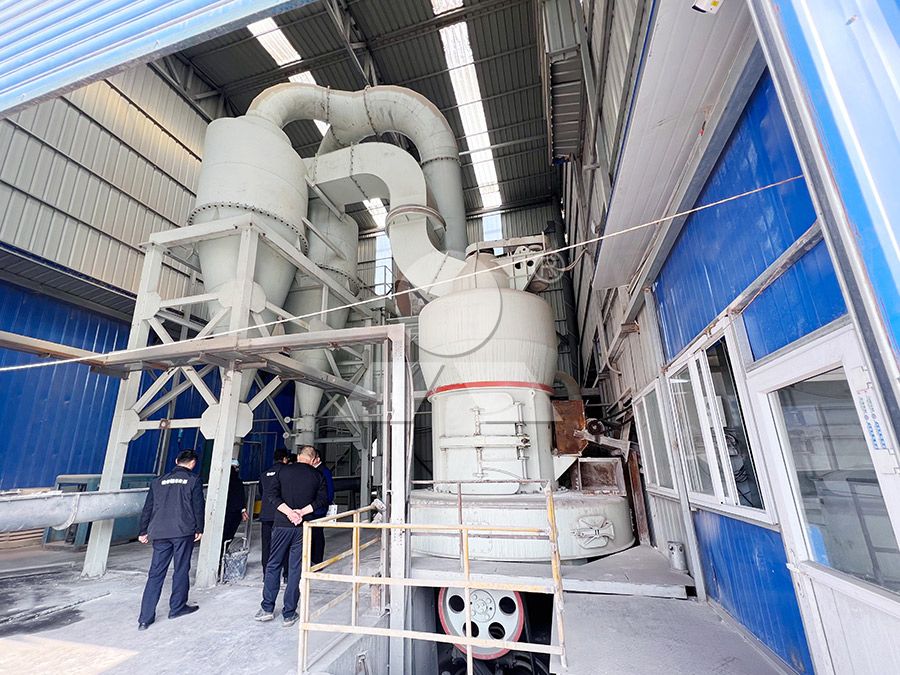
The choice of grinding mill is the bedrock upon which distribution strategy is built. You cannot reliably supply consistent, high-quality powder to any channel without equipment that delivers on precision, efficiency, and uptime. For producers targeting the high-value, ultra-fine dolomite powder market, conventional mills often fall short.
This is where advanced technology makes all the difference. For instance, our MW Ultrafine Grinding Mill is engineered specifically for customers who need to make ultra-fine powder with exceptional consistency. With an input size of 0-20 mm and a capacity range of 0.5-25 tph, it’s incredibly versatile. Its cage-type powder selector, adopting German technologies, allows you to precisely adjust fineness between 325-2500 meshes, hitting those niche market specifications that distributors and direct clients demand. Features like its external lubrication system and lack of rolling bearings in the chamber mean worry-free operation and minimal downtime—a non-negotiable for fulfilling supply contracts.
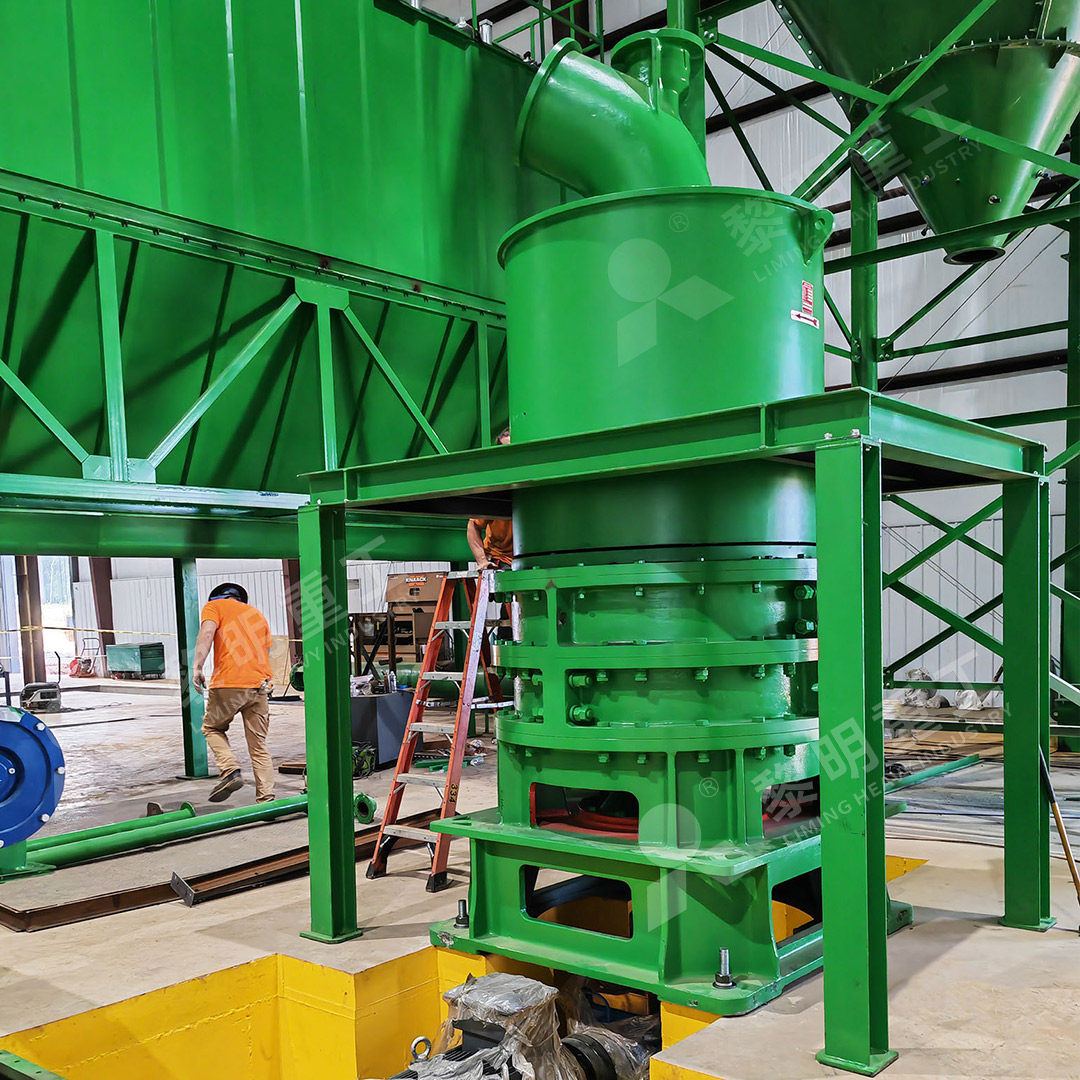
Furthermore, for operations requiring integrated drying and grinding or handling slightly different feed characteristics, our LUM Ultrafine Vertical Grinding Mill presents an excellent alternative. It combines the latest roller technology with advanced powder separation, offering higher yielding rates and better product quality, which is a major selling point for direct B2B negotiations.
Logistics and Packaging: The Final Link
The distribution channel dictates packaging. Bulk tanker trucks are standard for direct sales to large nearby consumers. For distributors and international shipping, durable, moisture-resistant bags (25-50 kg) are typical, often palletized and containerized. The efficiency of your bagging system, often located directly after mills like the MW series, directly impacts your shipping speed and cost.
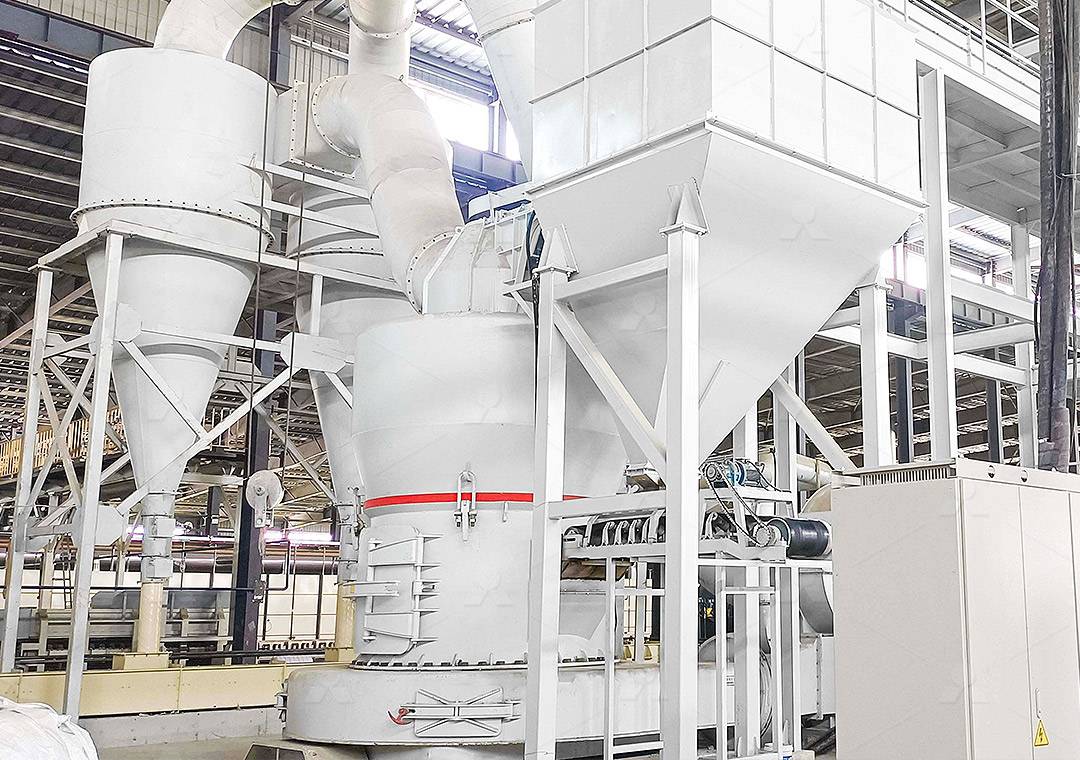
In conclusion, there is no one-size-fits-all distribution channel for dolomite powder. A hybrid approach is often most effective. The foundation, however, remains unwavering: a reliable, high-performance production line capable of delivering a superior product consistently. Investing in technology like the MW or LUM mills is not just an operational decision; it’s a strategic one that enables you to compete effectively across any distribution channel you choose.