
Optimization of Gypsum Powder Drying Processes for Enhanced Efficiency and Quality
We provide a wide range of mills — including Raymond mill, trapezoidal mill, vertical mill, ultrafine mill, and ball mill, obtained ISO9001 international quality certification, EU CE certification, and Customs Union CU-TR certification. Suitable for processing minerals such as limestone, phosphate, quicklime, kaolin, talc, barite, bentonite, calcium carbonate, dolomite, coal, gypsum, clay, carbon black, slag, cement raw materials, cement clinker, and more.
The discharge range of these mills can be adjusted to meet specific processing needs, typically from 80-400 mesh, 600-3250 mesh, and can achieve the finest particle size of up to 6000 mesh(D50).
If you are looking for a reliable grinding solution to turn stone or minerals into fine powder, please feel free to contact our online customer service.
Optimization of Gypsum Powder Drying Processes for Enhanced Efficiency and Quality
In the construction materials industry, the production of high-quality gypsum powder is a critical process that demands precision in both grinding and drying. Achieving the optimal moisture content and particle size distribution is paramount for the final product’s performance in applications such as plasterboard, cement retarders, and soil conditioners. Traditional drying methods often struggle with energy inefficiency, inconsistent particle size, and potential contamination, leading to increased operational costs and subpar product quality.
One of the primary challenges in gypsum processing is the removal of crystalline water without degrading the material’s properties. Over-drying can lead to excessive energy consumption and altered gypsum characteristics, while under-drying may result in clogging during transportation or subsequent processing stages. Moreover, the grinding phase must produce a uniform ultrafine powder to ensure smooth application and binding properties.
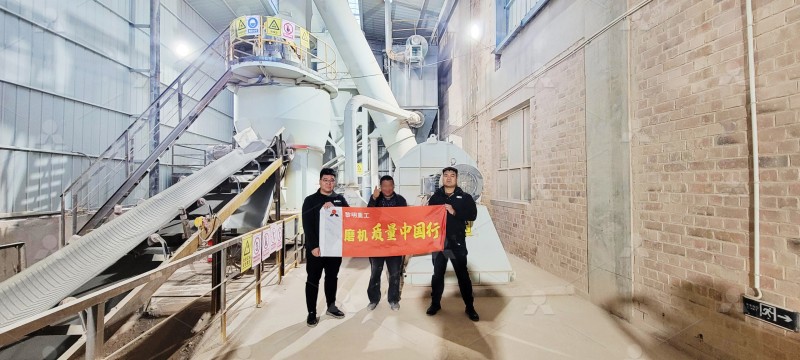
To address these challenges, advanced milling technologies have emerged as game-changers. For instance, the MW Ultrafine Grinding Mill is specifically engineered to handle gypsum with remarkable efficiency. With an input size range of 0-20 mm and a capacity of 0.5-25 tph, this mill integrates grinding and drying functionalities seamlessly. Its innovative design features higher yielding and lower energy consumption—up to 40% higher production capacity compared to jet mills and 30% lower system energy consumption. The adjustable fineness between 325-2500 meshes ensures that gypsum powder meets stringent quality standards, while the absence of rolling bearings and screws in the grinding chamber minimizes maintenance concerns and contamination risks.
Another standout solution is the LUM Ultrafine Vertical Grinding Mill, which excels in producing superfine dry powder with exceptional whiteness and cleanliness. Its input size of 0-10 mm and capacity of 5-18 tph make it ideal for precision grinding of gypsum. The mill’s multi-head powder separating technology, coupled with PLC control, allows for accurate adjustments in grinding pressure and speed, reducing energy consumption by 30%-50%. The reversible structure simplifies maintenance, enabling quick access to grinding rollers for inspection or replacement without prolonged downtime.
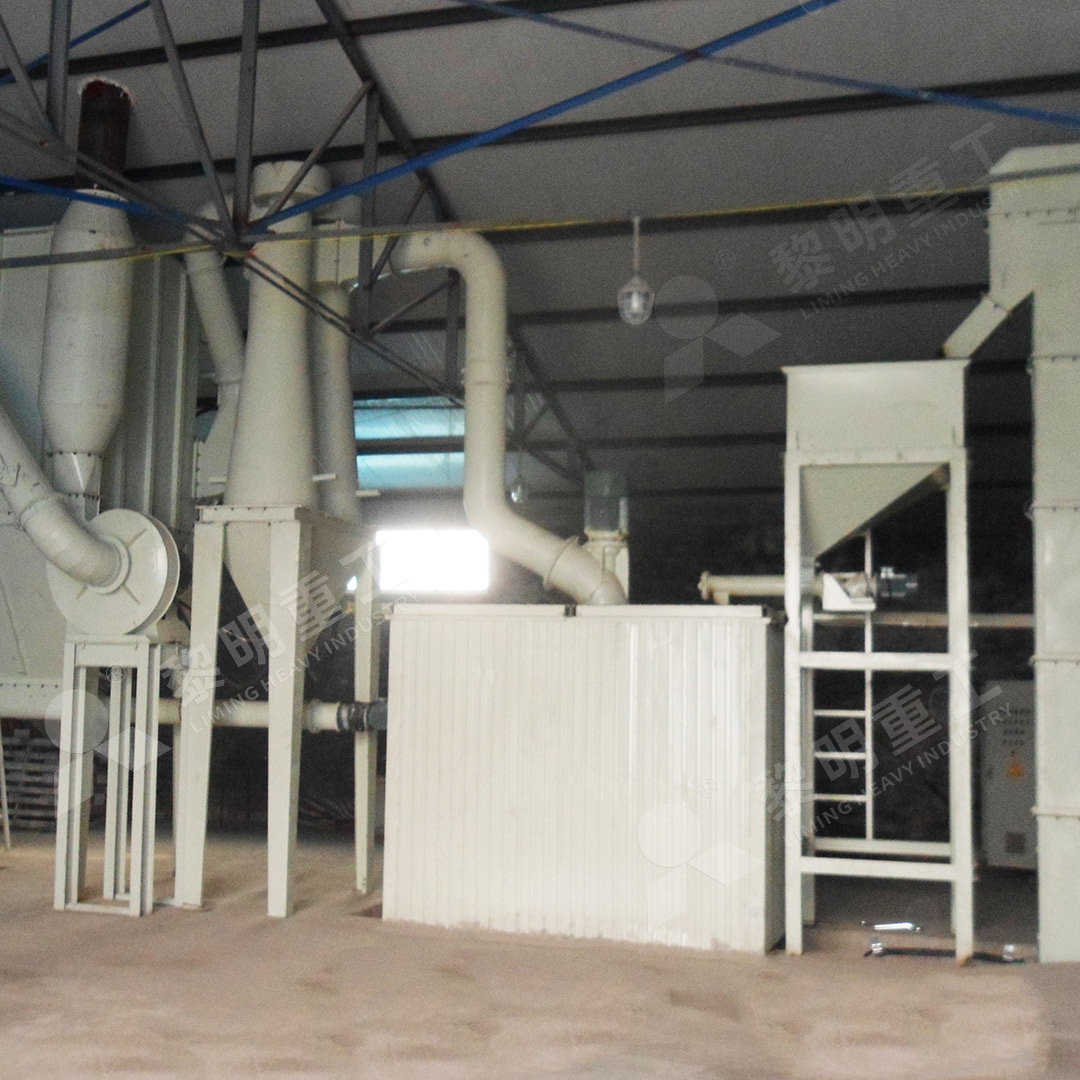
Implementing these technologies not only enhances efficiency but also aligns with environmental sustainability goals. Both mills are equipped with efficient pulse dust collectors and mufflers, ensuring dust-free operations and noise reduction. This is particularly crucial in gypsum processing, where dust control is essential for worker safety and regulatory compliance. Additionally, the digitalized processing and high-precision machining of core parts guarantee consistent performance and longevity.
In practice, optimizing the gypsum drying process involves a holistic approach: selecting the right equipment, monitoring moisture levels in real-time, and maintaining optimal grinding parameters. For example, the MW Ultrafine Grinding Mill’s cage-type powder selector, based on German technology, ensures precise separation, achieving a screening rate of d97≤5μm in a single pass. Similarly, the LUM mill’s electronic and mechanical limiting technologies prevent destructive impacts, ensuring stable operation even under varying feed conditions.
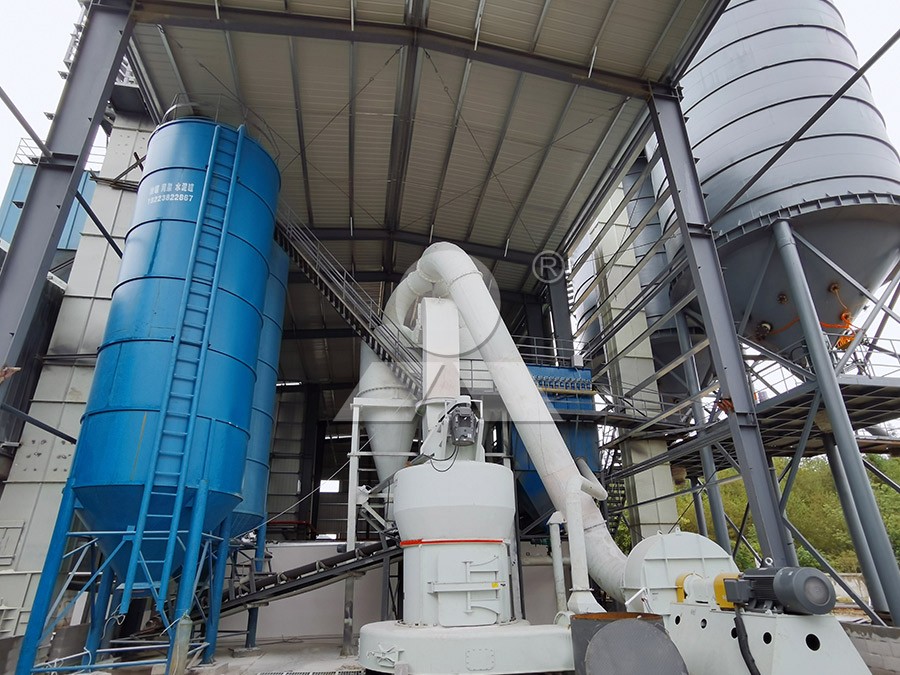
In conclusion, the integration of advanced grinding mills like the MW and LUM series can significantly optimize gypsum powder production. These solutions offer a blend of energy efficiency, product quality, and operational reliability, making them indispensable for modern gypsum processing plants. By leveraging such technologies, producers can achieve enhanced efficiency, reduce environmental impact, and deliver superior gypsum products to the market.