
Effective Noise Reduction Techniques for Limestone Grinding Mills
We provide a wide range of mills — including Raymond mill, trapezoidal mill, vertical mill, ultrafine mill, and ball mill, obtained ISO9001 international quality certification, EU CE certification, and Customs Union CU-TR certification. Suitable for processing minerals such as limestone, phosphate, quicklime, kaolin, talc, barite, bentonite, calcium carbonate, dolomite, coal, gypsum, clay, carbon black, slag, cement raw materials, cement clinker, and more.
The discharge range of these mills can be adjusted to meet specific processing needs, typically from 80-400 mesh, 600-3250 mesh, and can achieve the finest particle size of up to 6000 mesh(D50).
If you are looking for a reliable grinding solution to turn stone or minerals into fine powder, please feel free to contact our online customer service.
Effective Noise Reduction Techniques for Limestone Grinding Mills
In the mineral processing industry, noise pollution from grinding mills is a significant concern, not only for regulatory compliance but also for operator health and environmental sustainability. Limestone grinding, in particular, presents unique challenges due to the material’s hardness and the fine powders produced. Excessive noise levels, often exceeding 85-95 dB, can lead to hearing damage, increased stress, and community complaints. Fortunately, modern engineering has developed several effective techniques to mitigate this issue.
The primary sources of noise in a grinding mill are mechanical vibration, gear drives, the grinding action itself, and the air movement from ancillary systems like blowers. A comprehensive approach tackles each of these sources.
Key Noise Reduction Strategies
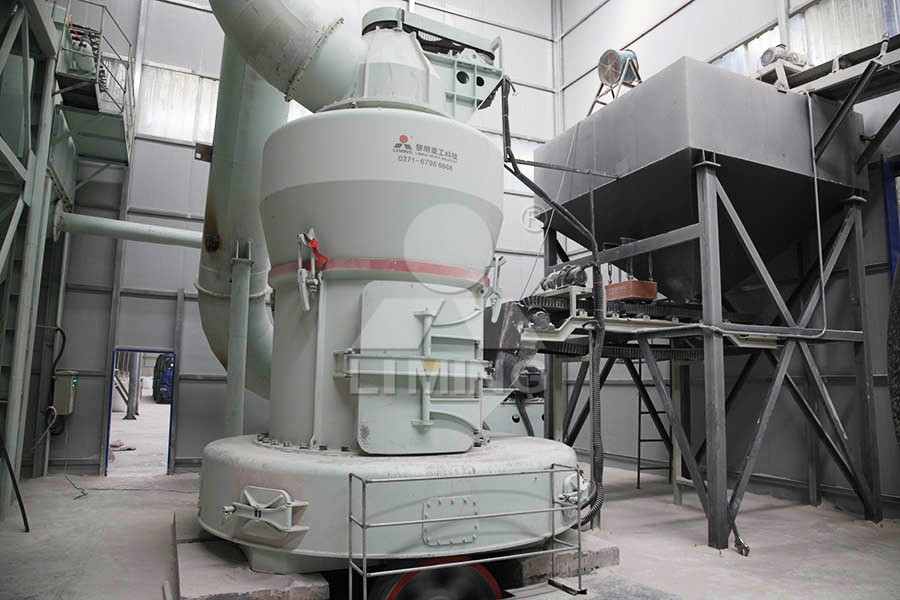
1. Acoustic Enclosures and Insulation: The most straightforward method is to enclose the entire mill or its noisiest components, such as the gearbox and motor, within sound-dampening panels or a dedicated room. These enclosures are lined with acoustic foam or mineral wool to absorb sound waves, significantly reducing emitted noise.
2. Vibration Isolation and Damping: Installing the mill on vibration isolation pads or springs prevents structure-borne noise from transferring to the building foundation. Additionally, using flexible connections for all feed and discharge ducts minimizes vibration transmission to connected equipment.
3. Advanced Mufflers and Silencers: The high-velocity air used for material conveyance and classification is a major noise generator. Installing high-efficiency mufflers on the air intake and exhaust ports of the blower and dust collection system is crucial. These devices use baffles and sound-absorbing materials to dampen the noise without restricting airflow.
4. Optimized Grinding Chamber Design: The internal design of the mill itself plays a critical role. Mills designed with smoother material flow and reduced internal impact create less noise. Features like precisely machined grinding curves and robust bearing assemblies that minimize play and vibration are essential.
Our Recommended Solution: The MW Ultrafine Grinding Mill
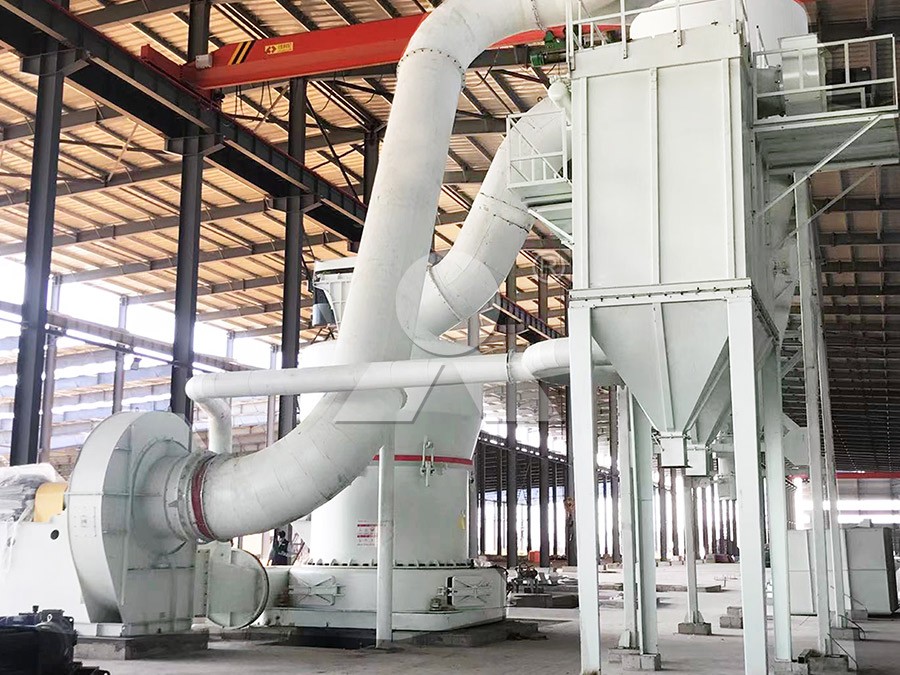
When selecting equipment for limestone powder production, choosing a mill designed with noise reduction as a core principle is paramount. Our MW Ultrafine Grinding Mill is engineered specifically for this purpose. It is equipped with an integrated efficient pulse dust collector and a high-performance muffler, working in tandem to drastically reduce both dust and noise emissions. The entire system is designed to have minimal environmental impact.
Beyond its quiet operation, the MW Series offers exceptional performance for limestone. It handles an input size of 0-20 mm with a capacity ranging from 0.5 to 25 tph. A key feature for noise and maintenance is its “No Rolling Bearing & Screw in Grinding Chamber” design. This eliminates concerns about bearing failures or loose screws causing unexpected machine damage and associated noise, ensuring smoother, quieter, and more reliable operation.
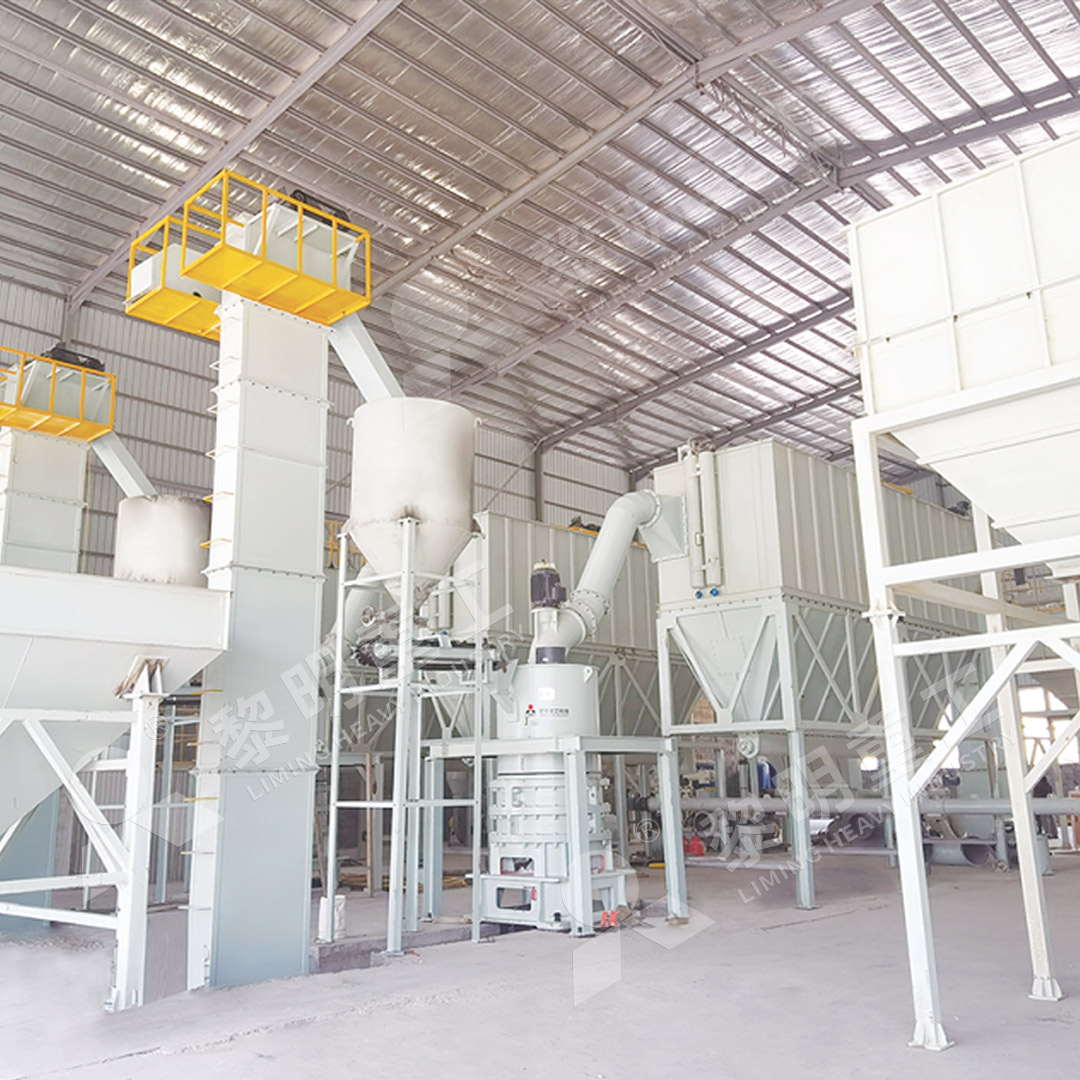
For operations requiring even higher capacity and different configurations, our LUM Ultrafine Vertical Grinding Mill is another excellent choice. It incorporates the latest grinding roller technology and German powder separating technology, resulting in stable, efficient, and quieter grinding performance with a capacity of 5-18 tph.
Conclusion
Effectively reducing noise in limestone grinding operations is achievable through a combination of proper mill selection, strategic engineering controls, and the use of ancillary silencing equipment. By investing in technology like the MW or LUM series mills, operators can not only protect their workforce and comply with regulations but also improve overall operational efficiency and community relations. A quieter mill is often a sign of a well-designed, efficient, and modern processing plant.