
Rod Mill for Limestone Grinding: 10mm to 1.0mm Output Size at 20 TPH Capacity
We provide a wide range of mills — including Raymond mill, trapezoidal mill, vertical mill, ultrafine mill, and ball mill, obtained ISO9001 international quality certification, EU CE certification, and Customs Union CU-TR certification. Suitable for processing minerals such as limestone, phosphate, quicklime, kaolin, talc, barite, bentonite, calcium carbonate, dolomite, coal, gypsum, clay, carbon black, slag, cement raw materials, cement clinker, and more.
The discharge range of these mills can be adjusted to meet specific processing needs, typically from 80-400 mesh, 600-3250 mesh, and can achieve the finest particle size of up to 6000 mesh(D50).
If you are looking for a reliable grinding solution to turn stone or minerals into fine powder, please feel free to contact our online customer service.
Rod Mill for Limestone Grinding: 10mm to 1.0mm Output Size at 20 TPH Capacity
When it comes to grinding limestone from a feed size of around 10mm down to a fine 1.0mm product at a capacity of 20 tons per hour, the selection of the right milling equipment is paramount. While rod mills have been a traditional workhorse for such coarse grinding duties, modern advancements have introduced more efficient and versatile solutions that offer superior control over product size and significant energy savings.
Traditional rod mills operate by tumbling long, heavy rods within a rotating drum to crush and grind the ore. They are particularly effective for producing a product with a relatively narrow particle size distribution and minimal over-grinding, making them suitable for the first stage of grinding in a milling circuit. For a 20 TPH operation aiming for a 1.0mm top size, a rod mill could be configured to do the job. However, operators often face challenges with media wear, maintenance downtime, and less flexibility in fineness adjustment compared to newer technologies.
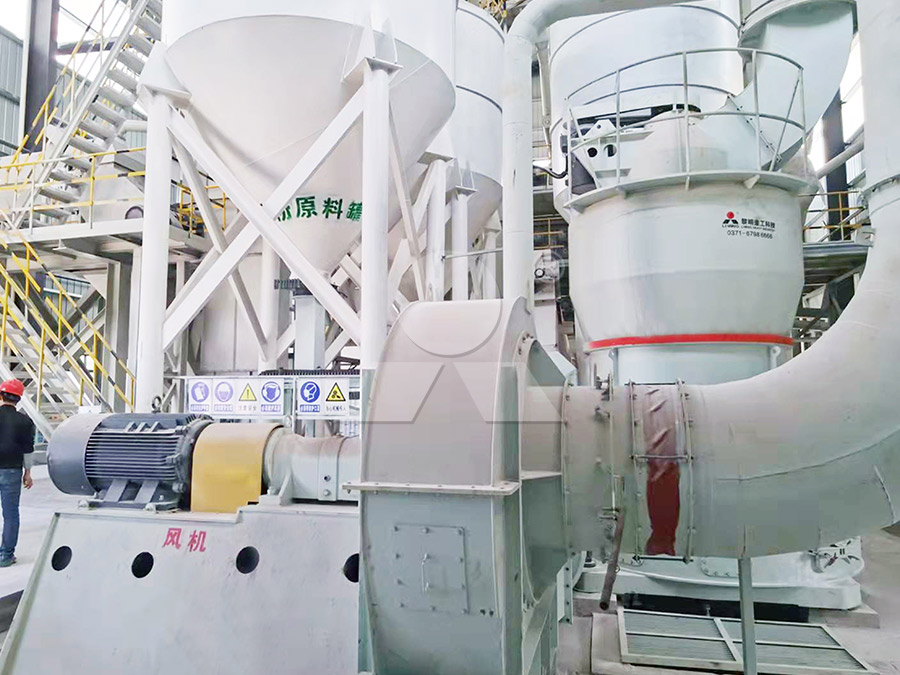
This is where considering a more modern grinding solution becomes a strategic advantage. For operations that require greater efficiency, finer control over the final product, and lower operating costs, we highly recommend evaluating our MW Ultrafine Grinding Mill.
Why Consider the MW Ultrafine Grinding Mill?
While your target output of 1.0mm (approximately 16 mesh) is coarser than the ultra-fine range, the MW Mill’s advanced engineering provides distinct benefits even at this粒度. Its design philosophy centers on higher yielding and lower energy consumption. The newly designed grinding curves of the roller and ring enhance grinding efficiency dramatically. In practical terms, with the same fineness and power, its production capacity is 40% higher than that of jet mills and stirred mills. For your 20 TPH requirement, this means a smaller, more energy-efficient footprint.
A key feature for your application is its adjustable fineness between 325-2500 meshes. The advanced cage-type powder selector ensures precise separation. Even for a 1.0mm product, this technology guarantees a consistent and narrow particle size distribution with high screening efficiency, reducing the need for re-circulation and improving overall throughput.
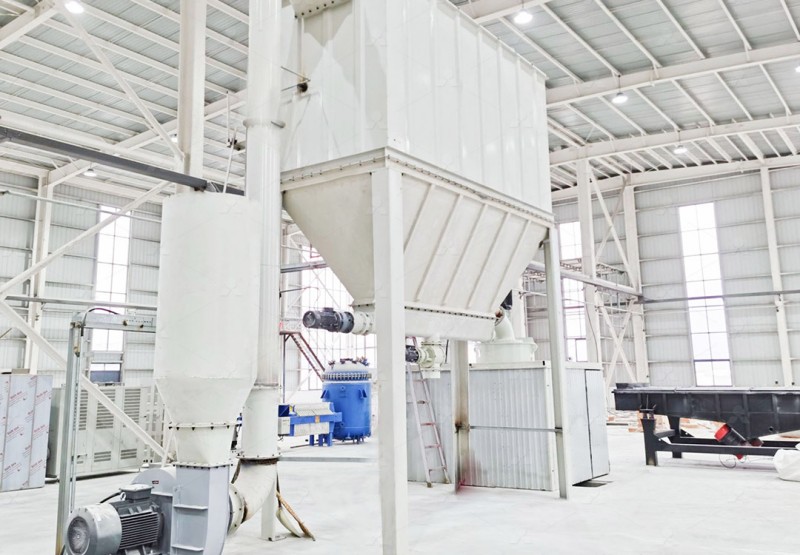
Furthermore, maintenance worries are minimized. The absence of rolling bearings and screws in the grinding chamber eliminates common failure points. The external lubricating device allows for lubrication without shutdown, supporting the continuous 24/7 operation critical for meeting your 20 TPH capacity. Coupled with its efficient pulse dust collector, the entire process remains clean and environmentally friendly, a growing concern for modern mining and processing operations.
A Robust Alternative: The LM Vertical Grinding Mill
For those seeking a proven, high-capacity workhorse, our LM Vertical Grinding Mill is another exceptional choice. It integrates crushing, drying, grinding, classifying, and conveying into a single unit, offering a remarkably compact solution. Its coverage area is 50% smaller than a ball mill system, and it saves 30%-40% in energy consumption.
With an input size capability of 0-70mm and a massive capacity range up to 340 TPH, it easily handles your 10mm feed and 20 TPH output requirement. The material’s short lingering time in the mill reduces repeated grinding, ensuring a consistent product and lower iron content, which is beneficial for the whiteness and quality of the final limestone powder. Its fully automated control system and sealed operation under negative pressure make it a clean, low-noise, and easy-to-operate asset.
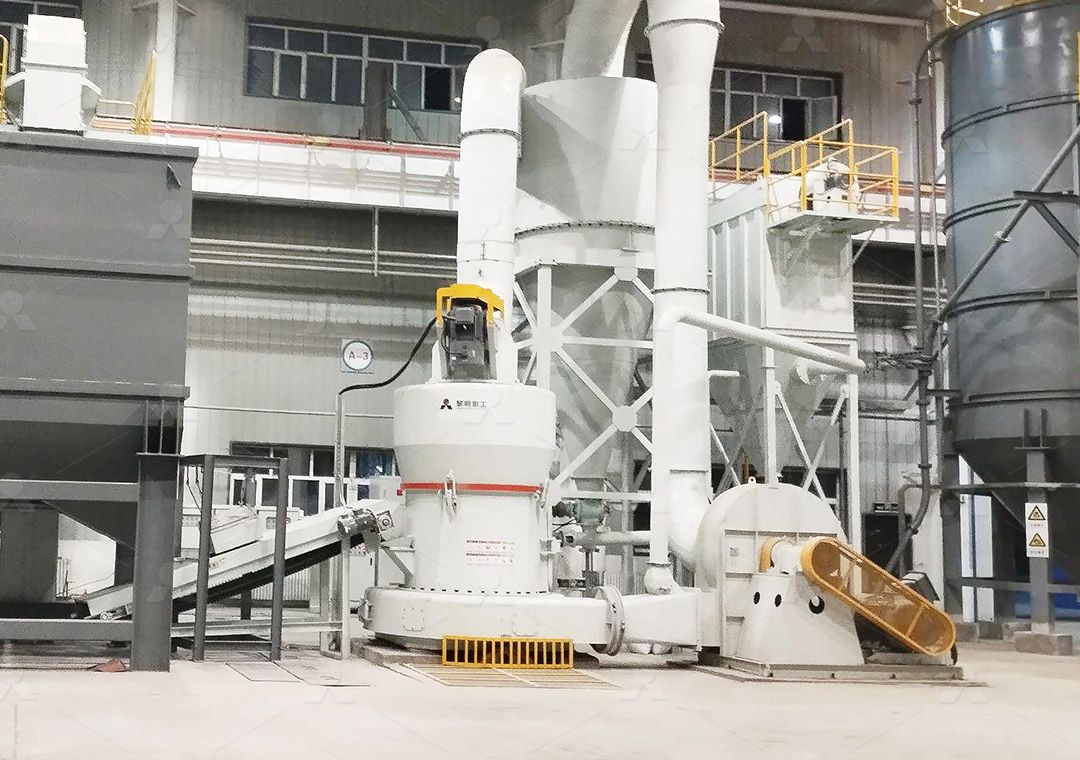
In conclusion, while a rod mill can achieve the stated goal, transitioning to a more technologically advanced mill like the MW Ultrafine Grinding Mill or the LM Vertical Grinding Mill offers a leap in efficiency, control, and operational cost savings. We encourage you to contact our technical team to discuss which solution best aligns with your specific plant layout and long-term production goals.