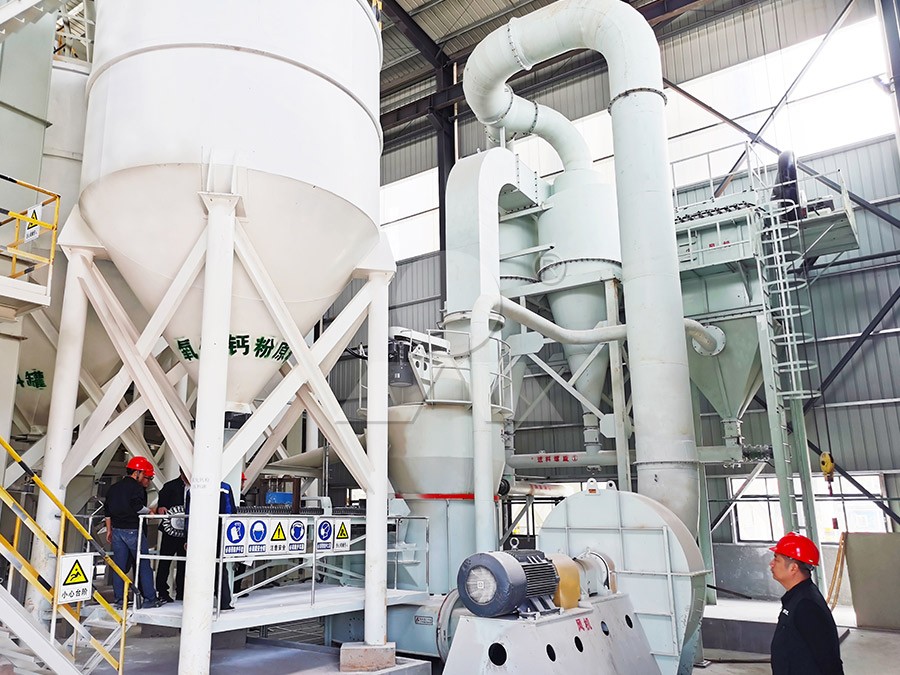
Best Limestone Grinding Mill for Coal Power Plant Desulfurization
We provide a wide range of mills — including Raymond mill, trapezoidal mill, vertical mill, ultrafine mill, and ball mill, obtained ISO9001 international quality certification, EU CE certification, and Customs Union CU-TR certification. Suitable for processing minerals such as limestone, phosphate, quicklime, kaolin, talc, barite, bentonite, calcium carbonate, dolomite, coal, gypsum, clay, carbon black, slag, cement raw materials, cement clinker, and more.
The discharge range of these mills can be adjusted to meet specific processing needs, typically from 80-400 mesh, 600-3250 mesh, and can achieve the finest particle size of up to 6000 mesh(D50).
If you are looking for a reliable grinding solution to turn stone or minerals into fine powder, please feel free to contact our online customer service.
Best Limestone Grinding Mill for Coal Power Plant Desulfurization
Flue Gas Desulfurization (FGD) is a critical process for coal-fired power plants to meet stringent environmental regulations. At the heart of any effective wet limestone FGD system lies the grinding mill, responsible for producing the high-quality, ultra-fine limestone slurry that reacts with and removes sulfur dioxide (SO₂) from exhaust gases. Selecting the right grinding mill is paramount for operational efficiency, cost-effectiveness, and compliance.
The Critical Role of Limestone Grinding in FGD
The efficiency of the scrubbing process is directly linked to the fineness and surface area of the limestone powder. Finer particles dissolve more rapidly and react more completely with SO₂, leading to higher desulfurization rates and reduced limestone consumption. An inefficient mill can lead to unreacted limestone, scaling, and higher operating costs. Therefore, the ideal mill must deliver a consistent product with a precise fineness, typically ranging from 325 to 2500 meshes, while handling the abrasive nature of limestone with minimal downtime.
Key Considerations for Mill Selection
When choosing a mill for FGD applications, several factors come into play:
- Grinding Efficiency & Energy Consumption: High-yielding, low-energy mills drastically reduce operating costs.
- Product Fineness & Adjustability: The ability to precisely control particle size is non-negotiable for optimal reagent performance.
- Reliability & Maintenance: Mills must be robust, with easy access for maintenance to ensure maximum uptime.
- Environmental Compatibility: The system must operate with integrated dust collection and low noise to meet plant environmental standards.
Recommended Solution: MW Ultrafine Grinding Mill
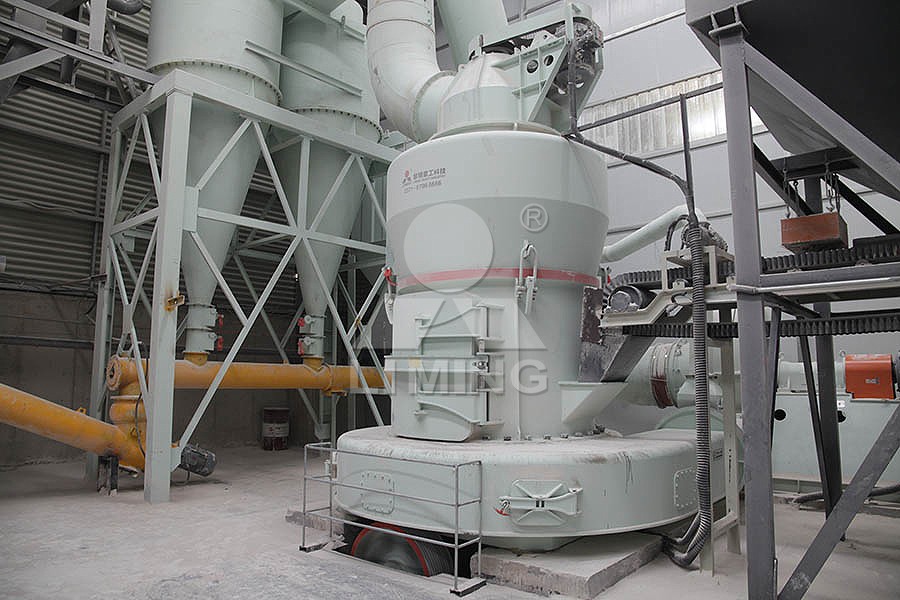
For power plants seeking a perfect balance of performance, reliability, and economy for their desulfurization needs, we highly recommend our MW Ultrafine Grinding Mill. This machine is engineered specifically for customers who need to make ultra-fine powder with exceptional efficiency.
With an input size of 0-20 mm and a capacity range of 0.5-25 tph, the MW Series is perfectly scaled for FGD reagent preparation. Its core advantages include:
- Higher Yielding, Lower Energy Consumption: Its newly designed grinding curves enhance efficiency, offering production capacity 40% higher than jet mills and twice that of ball mills, while slashing system energy consumption by up to 70%.
- Precise Fineness Control (325-2500 meshes): A advanced German-designed cage-type powder selector ensures accurate separation, achieving a fine product with d97≤5μm in a single pass.
- Unmatched Reliability: A revolutionary design with no rolling bearings or screws in the grinding chamber eliminates common failure points. External lubrication allows for 24/7 continuous operation without shutdowns.
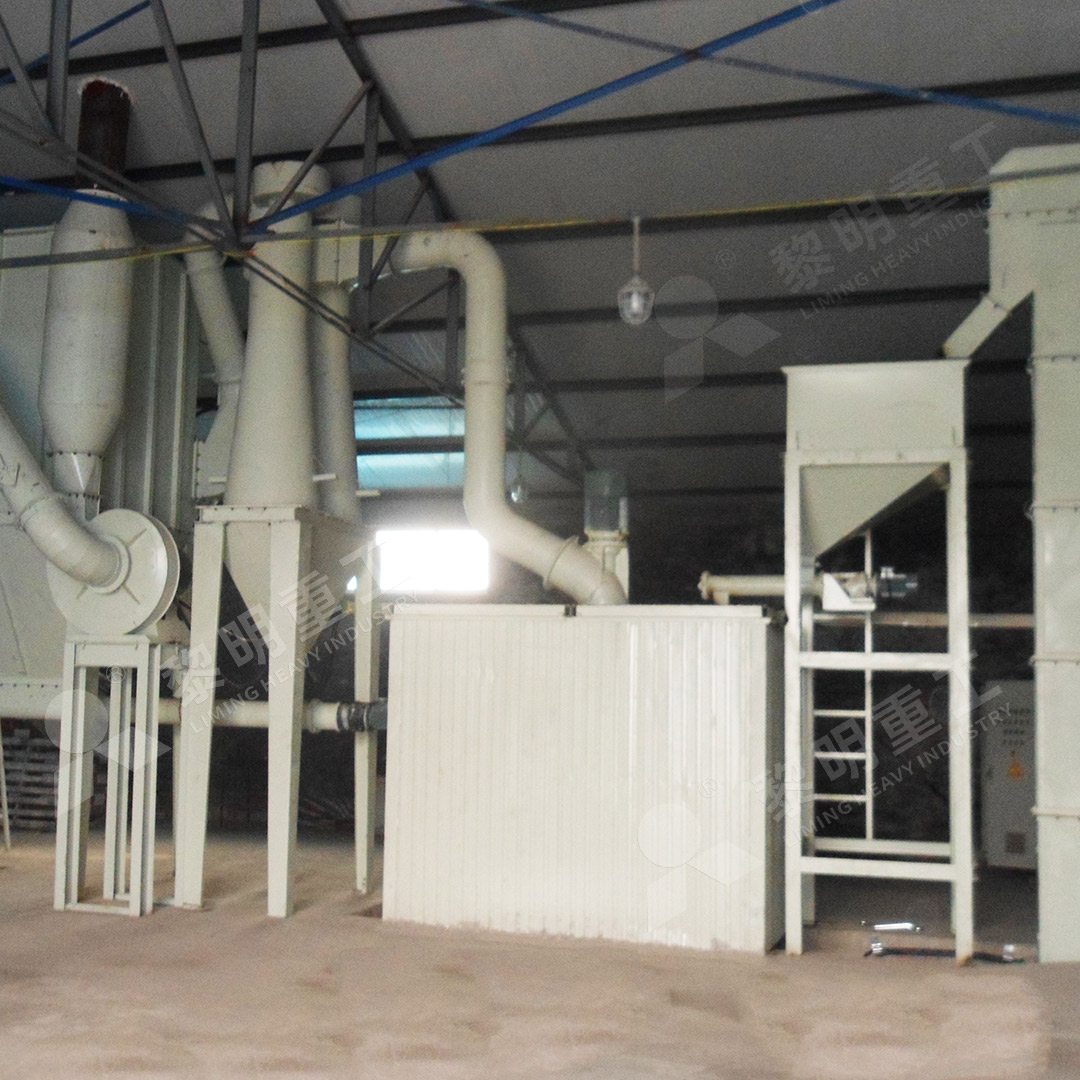
- Eco-Friendly Operation: An integrated efficient pulse dust collector and silencer ensure the entire milling process is dust-free and quiet, adhering to national environmental protection standards.
Why It’s the Ideal Choice for Power Plants
The MW Ultrafine Grinding Mill translates these features into direct benefits for a coal power plant. Its energy efficiency cuts electricity costs significantly. Its reliability minimizes unplanned maintenance, a critical factor for a unit that must remain online to ensure continuous emissions control. Furthermore, its ability to produce a consistently fine and reactive limestone powder maximizes SO₂ removal efficiency, ensuring compliance with even the strictest emission caps while keeping reagent consumption—and thus waste production—to a minimum.
Conclusion
Investing in the right grinding technology is not just an equipment purchase; it’s a strategic decision for environmental compliance and operational excellence. The MW Ultrafine Grinding Mill stands out as a superior, purpose-built solution for coal power plant desulfurization, offering a compelling combination of high performance, remarkable energy savings, and robust, worry-free operation. For plants looking to optimize their FGD process, it represents the best in modern grinding technology.