
Ball Mill Cost Estimation Guide for Mining Operations: Factors & Budget Planning
We provide a wide range of mills — including Raymond mill, trapezoidal mill, vertical mill, ultrafine mill, and ball mill, obtained ISO9001 international quality certification, EU CE certification, and Customs Union CU-TR certification. Suitable for processing minerals such as limestone, phosphate, quicklime, kaolin, talc, barite, bentonite, calcium carbonate, dolomite, coal, gypsum, clay, carbon black, slag, cement raw materials, cement clinker, and more.
The discharge range of these mills can be adjusted to meet specific processing needs, typically from 80-400 mesh, 600-3250 mesh, and can achieve the finest particle size of up to 6000 mesh(D50).
If you are looking for a reliable grinding solution to turn stone or minerals into fine powder, please feel free to contact our online customer service.
Ball Mill Cost Estimation Guide for Mining Operations: Factors & Budget Planning
When planning a mining operation, understanding the costs associated with grinding equipment like ball mills is crucial for effective budget allocation. This guide explores key cost factors and introduces advanced alternatives like our MW Ultrafine Grinding Mill to optimize your investment.
Key Cost Factors for Ball Mills
1. Initial Capital Costs:
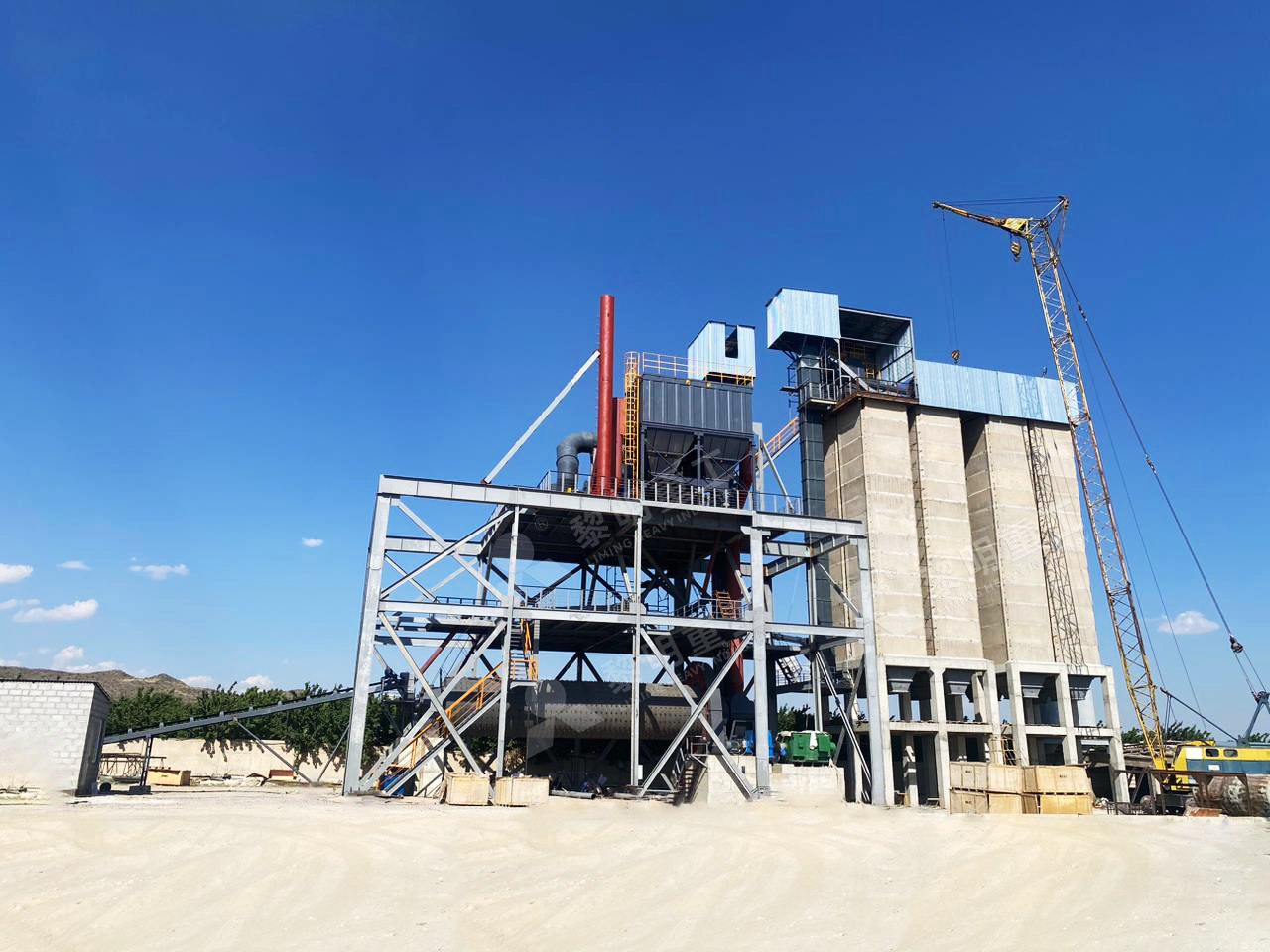
Traditional ball mills require significant upfront investment in equipment, foundation construction, and auxiliary systems. Our LUM Ultrafine Vertical Grinding Mill reduces these costs by 30% with its compact design and integrated systems.
2. Energy Consumption:
Ball mills typically consume 30-40% more energy than vertical mills. The MW Ultrafine Grinding Mill cuts energy use by half while delivering 40% higher capacity.
Hidden Operational Costs
3. Maintenance Downtime:
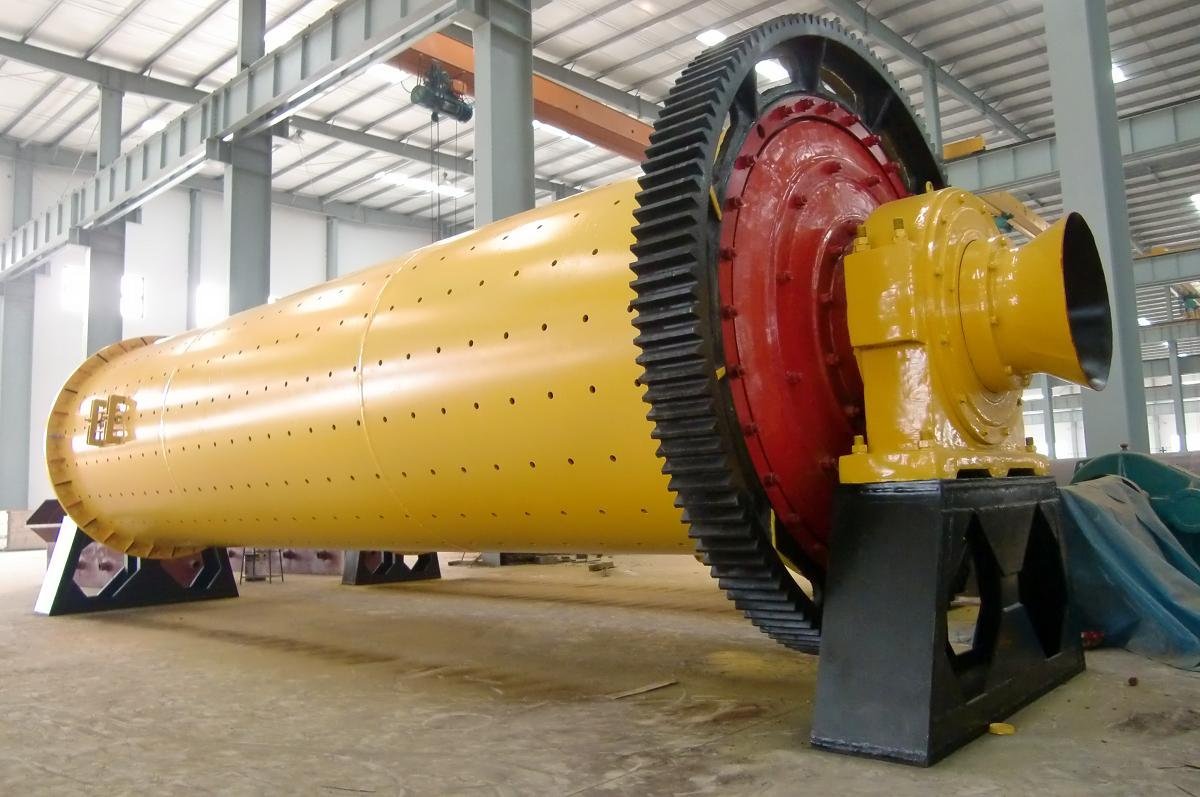
Ball mills require frequent liner replacements and bearing maintenance. Our MW series eliminates these concerns with its no rolling bearing design and external lubrication system.
4. Environmental Compliance:
With strict dust and noise regulations, ball mills often need additional pollution control equipment. The MW Ultrafine Grinding Mill comes with integrated pulse dust collectors and silencers.
Budget Planning Considerations
- Throughput Requirements: MW Ultrafine Grinding Mill handles 0.5-25 tph with adjustable 325-2500 mesh fineness
- Space Constraints: Vertical mills occupy 50% less floor area
- Future Expansion: Modular designs allow capacity upgrades
Why Choose LIMING Grinding Solutions?
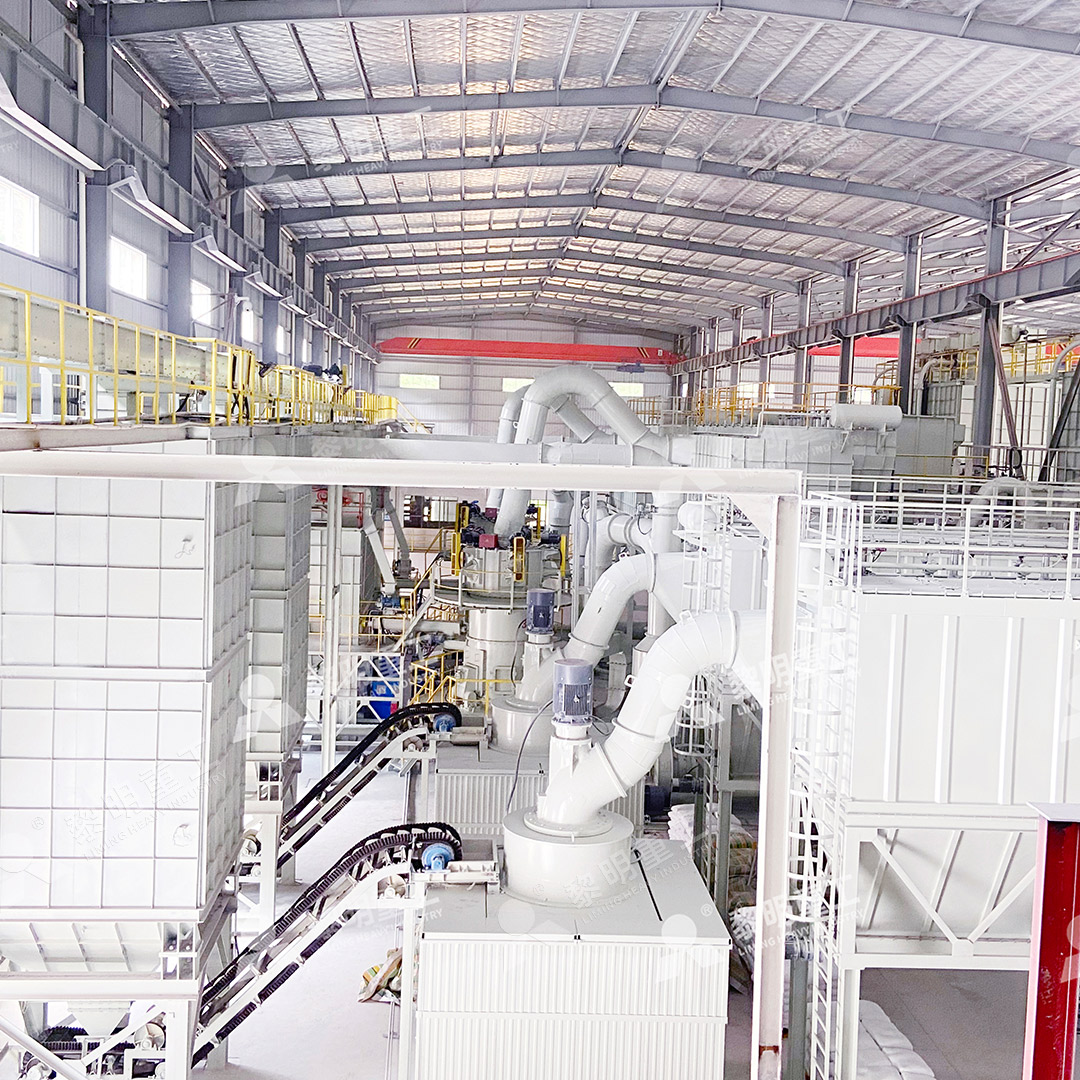
Our MW Ultrafine Grinding Mill represents the next generation of mineral processing technology:
- German-designed cage-type powder selector for precise particle separation
- Digitalized CNC machining ensures <1mm tolerance in core components
- 24/7 technical support with guaranteed spare parts availability
For operations processing limestone, talc, or coal powder, the MW series delivers superior ROI through:
- 40% higher yield than jet mills
- 60% lower energy costs vs ball mills
- Zero environmental compliance penalties
Contact our engineers today for a customized cost-benefit analysis comparing traditional ball mills with our advanced grinding solutions.