
Portable Stone Mill Grinder for Lab Use: A Complete Guide
We provide a wide range of mills — including Raymond mill, trapezoidal mill, vertical mill, ultrafine mill, and ball mill, obtained ISO9001 international quality certification, EU CE certification, and Customs Union CU-TR certification. Suitable for processing minerals such as limestone, phosphate, quicklime, kaolin, talc, barite, bentonite, calcium carbonate, dolomite, coal, gypsum, clay, carbon black, slag, cement raw materials, cement clinker, and more.
The discharge range of these mills can be adjusted to meet specific processing needs, typically from 80-400 mesh, 600-3250 mesh, and can achieve the finest particle size of up to 6000 mesh(D50).
If you are looking for a reliable grinding solution to turn stone or minerals into fine powder, please feel free to contact our online customer service.
Portable Stone Mill Grinder for Lab Use: A Complete Guide
When it comes to sample preparation and material analysis in laboratory settings, having the right grinding equipment is absolutely crucial. Portable stone mill grinders have become indispensable tools for researchers, geologists, chemists, and material scientists who need to reduce various materials to fine powders for testing and analysis. Unlike industrial-scale equipment, lab grinders must balance precision, versatility, and portability while maintaining consistent results.
Why Choose a Portable Grinder for Laboratory Work?
Lab environments demand equipment that can handle small batches with high precision and minimal contamination. Portable grinders offer several distinct advantages:
- Space Efficiency: Compact designs fit comfortably on lab benches
- Flexibility: Easy to move between different workstations or field locations
- Minimal Sample Loss: Designed to process small quantities efficiently
- Quick Cleaning: Simplified designs allow for thorough cleaning between samples
- Precision Control: Adjustable settings for specific fineness requirements
Modern lab grinders incorporate advanced features that ensure reproducible results, which is essential for scientific validity. The ability to consistently produce powders with uniform particle size distribution makes these instruments valuable across multiple disciplines.
Key Considerations When Selecting a Lab Grinder
Choosing the right grinder for your laboratory requires careful evaluation of several factors:
Material Compatibility: Different materials have varying hardness, abrasiveness, and moisture content. Ensure your grinder can handle your specific sample types without contamination or excessive wear.
Particle Size Requirements: Analytical methods often require specific particle sizes. Look for equipment that offers adjustable fineness control within your required range.
Throughput Capacity: Consider how many samples you process daily and choose a machine that matches your workload without compromising on precision.
Ease of Cleaning: Cross-contamination between samples can ruin experiments. Equipment with accessible grinding chambers and minimal dead spaces is essential.
Noise and Dust Control: Laboratories are controlled environments. Equipment with effective dust collection and noise reduction features maintains a safe working environment.
Recommended Equipment for Laboratory Applications
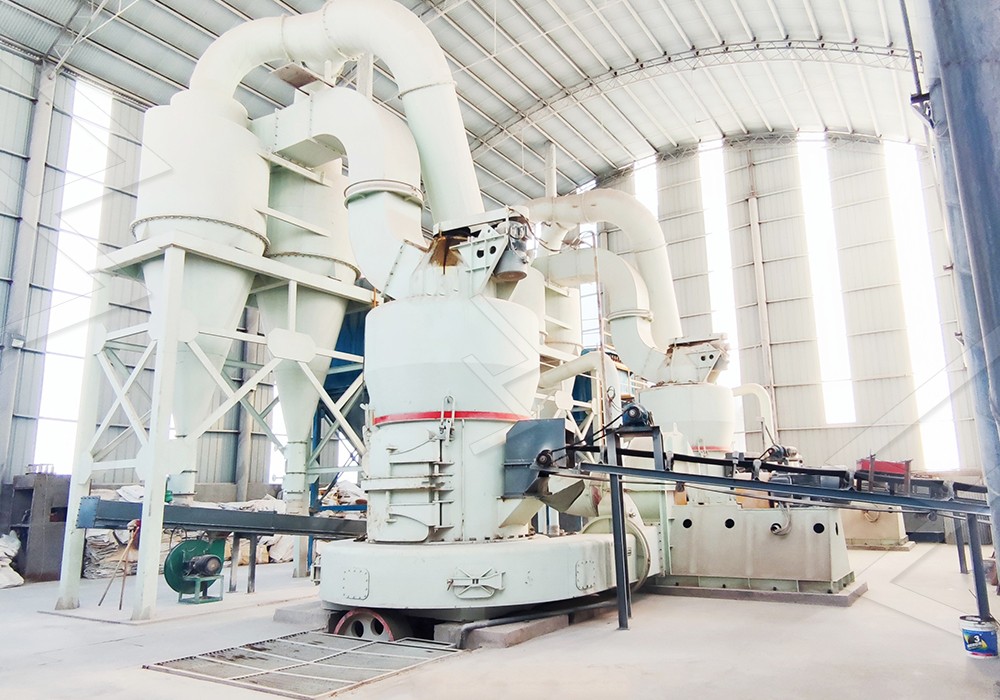
Based on our extensive experience and product testing, we highly recommend our MW Ultrafine Grinding Mill for laboratory applications requiring exceptional precision. This machine represents the pinnacle of grinding technology with several features specifically beneficial for research environments:
- Input Size: 0-20 mm
- Capacity: 0.5-25 tph (adjustable for small batches)
- Fineness Range: Adjustable between 325-2500 meshes
- Special Features: Efficient pulse dust collector, muffler for noise reduction, no rolling bearings in grinding chamber
The MW Ultrafine Grinding Mill is particularly suited for processing limestone, calcite, dolomite, gypsum, barite, marble, talc, and various other materials commonly encountered in laboratory research. Its German-designed cage-type powder selector ensures precise separation, while the absence of screws and rolling bearings in the grinding chamber eliminates common failure points and maintenance concerns.
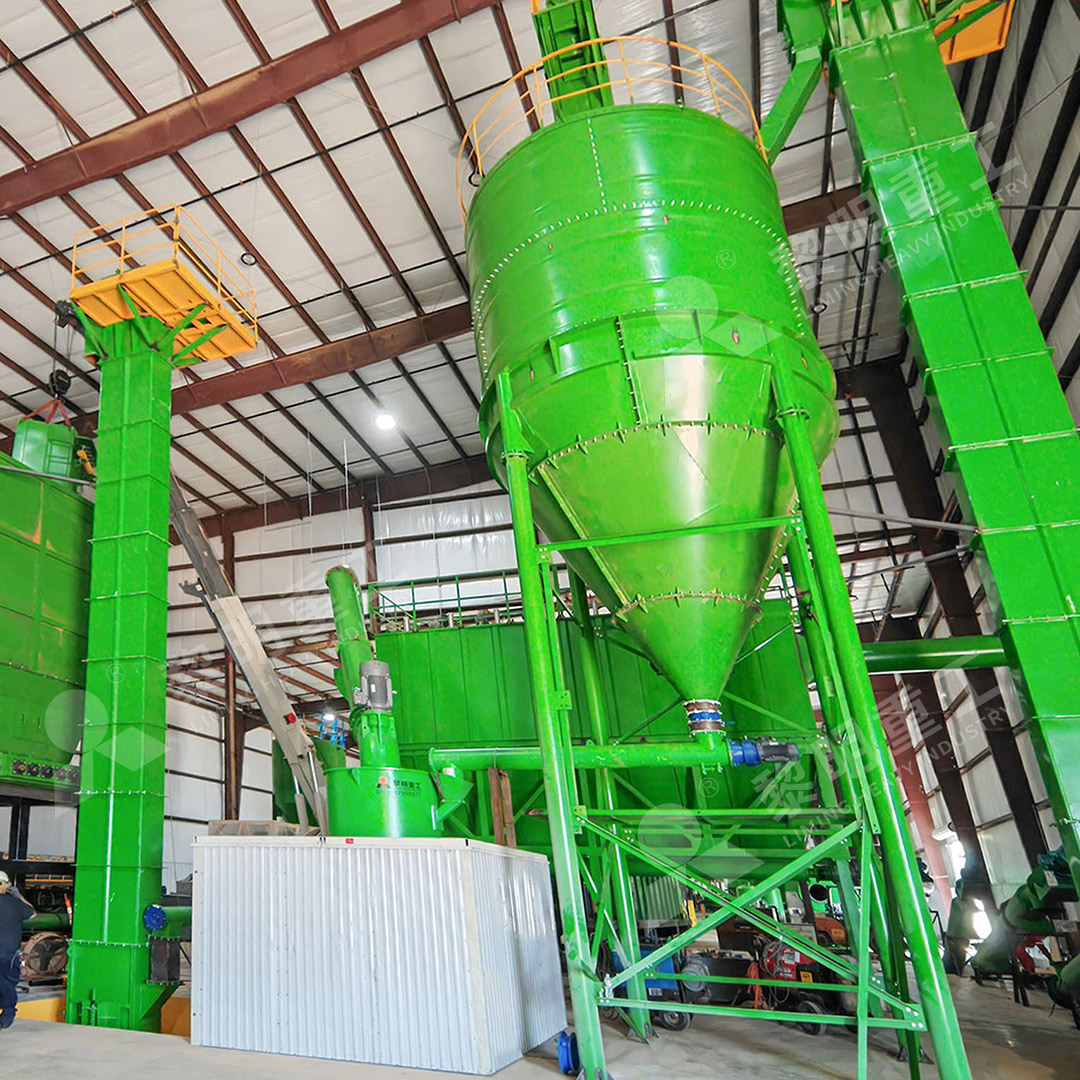
For laboratories working with even finer materials or requiring vertical grinding configuration, our LUM Ultrafine Vertical Grinding Mill offers exceptional performance with input sizes of 0-10 mm and capacity ranging from 5-18 tph. This model integrates ultrafine powder grinding, grading, and transporting in a single compact unit, making it ideal for space-constrained laboratory environments.
Best Practices for Laboratory Grinding Operations
To maximize the performance and lifespan of your portable lab grinder, follow these expert recommendations:
- Always start with properly sized material – pre-crush large samples if necessary
- Clean the grinding chamber thoroughly between different materials
- Regularly inspect wear parts and replace them before they affect results
- Use the appropriate grinding media for your specific material
- Monitor temperature during grinding to prevent sample degradation
- Keep detailed records of grinding parameters for reproducible results
Maintenance and Safety Considerations
Proper maintenance ensures consistent performance and extends equipment life. Laboratory grinders require regular inspection of grinding elements, proper lubrication (where applicable), and verification of particle size output. Safety features such as emergency stop buttons, protective guards, and proper ventilation should never be compromised.
Our grinding mills are designed with maintenance in mind. For example, the MW Ultrafine Grinding Mill allows external lubrication without shutdown, enabling continuous operation for extended experiments while maintaining equipment health.
Conclusion
Selecting the right portable stone mill grinder for laboratory use requires careful consideration of your specific research needs, material characteristics, and desired outcomes. The MW Ultrafine Grinding Mill and LUM Ultrafine Vertical Grinding Mill offer laboratory professionals reliable, precise, and efficient solutions for sample preparation. With proper operation and maintenance, these machines will deliver consistent, contaminant-free results that meet the rigorous standards of scientific research.
Remember that the right equipment not only improves your current research capabilities but also expands the possibilities for future investigations. Investing in quality grinding technology ultimately enhances the quality and reliability of your analytical results.