
Project Report on Design and Optimization of Ball Mill Feeders for Efficient Grinding Operations
We provide a wide range of mills — including Raymond mill, trapezoidal mill, vertical mill, ultrafine mill, and ball mill, obtained ISO9001 international quality certification, EU CE certification, and Customs Union CU-TR certification. Suitable for processing minerals such as limestone, phosphate, quicklime, kaolin, talc, barite, bentonite, calcium carbonate, dolomite, coal, gypsum, clay, carbon black, slag, cement raw materials, cement clinker, and more.
The discharge range of these mills can be adjusted to meet specific processing needs, typically from 80-400 mesh, 600-3250 mesh, and can achieve the finest particle size of up to 6000 mesh(D50).
If you are looking for a reliable grinding solution to turn stone or minerals into fine powder, please feel free to contact our online customer service.
Project Report on Design and Optimization of Ball Mill Feeders for Efficient Grinding Operations
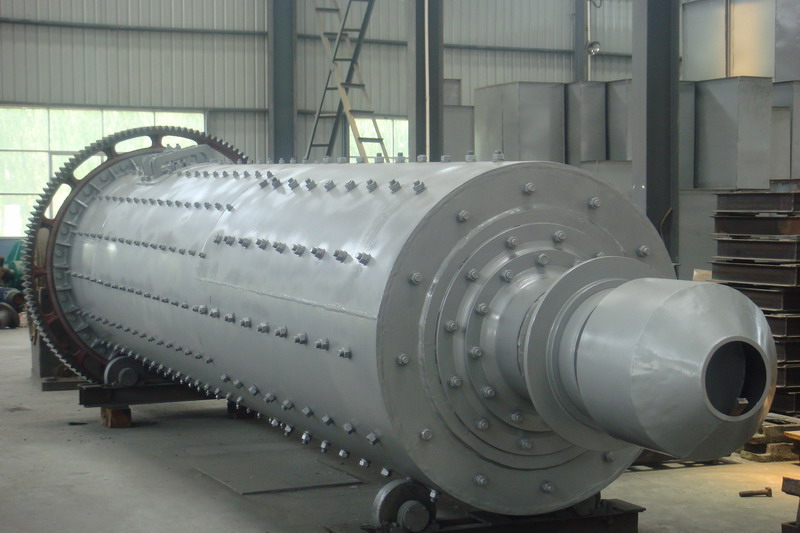
In the mineral processing and cement industries, the ball mill remains a cornerstone of comminution circuits. However, its efficiency is profoundly influenced by the performance of its feeding system. An improperly designed or optimized feeder can lead to a cascade of inefficiencies, including poor material distribution, overfilling, underfilling, increased energy consumption, and reduced throughput. This report delves into the critical aspects of ball mill feeder design and presents optimization strategies to enhance overall grinding circuit performance.
The Critical Role of the Feed System
The primary function of any mill feeder is to deliver a consistent and controlled flow of raw material (often a blend of coarse ore and water, known as slurry or feed) into the mill. Inconsistencies in feed rate or density directly impact the grinding media’s action inside the mill. A sudden surge of feed can cushion the impact of the grinding balls, reducing size reduction efficiency. Conversely, a lack of feed leads to steel-on-steel contact, accelerating liner and ball wear while wasting energy. Therefore, the feeder is not merely a conveyor but a crucial control unit for the entire milling process.
Common Feeder Types and Their Optimization
Several feeder types are employed in conjunction with ball mills, each with its own advantages and optimization points:
- Drum Feeders: Attached to the mill trunnion, they utilize internal lifters to scoop and feed material. Optimization involves adjusting lifter design and rotational speed to match the mill’s intake capacity.
- Spout Feeders: A simple, gravity-fed chute. Optimization focuses on the spout angle and internal lining to ensure smooth, unrestricted flow without spillage or blockages.
- Combination Drum-Scoop Feeders: A hybrid design that offers better control for wet grinding applications. The scoop’s geometry and submersion depth are key optimization parameters.
- Belt Feeders & Vibratory Feeders: Often used for pre-crushed, drier feed. Optimization involves implementing variable frequency drives (VFDs) to precisely modulate feed rate based on mill motor amperage or acoustic sensors, creating a feedback loop for optimal charge volume.
Integration with Advanced Grinding Technology
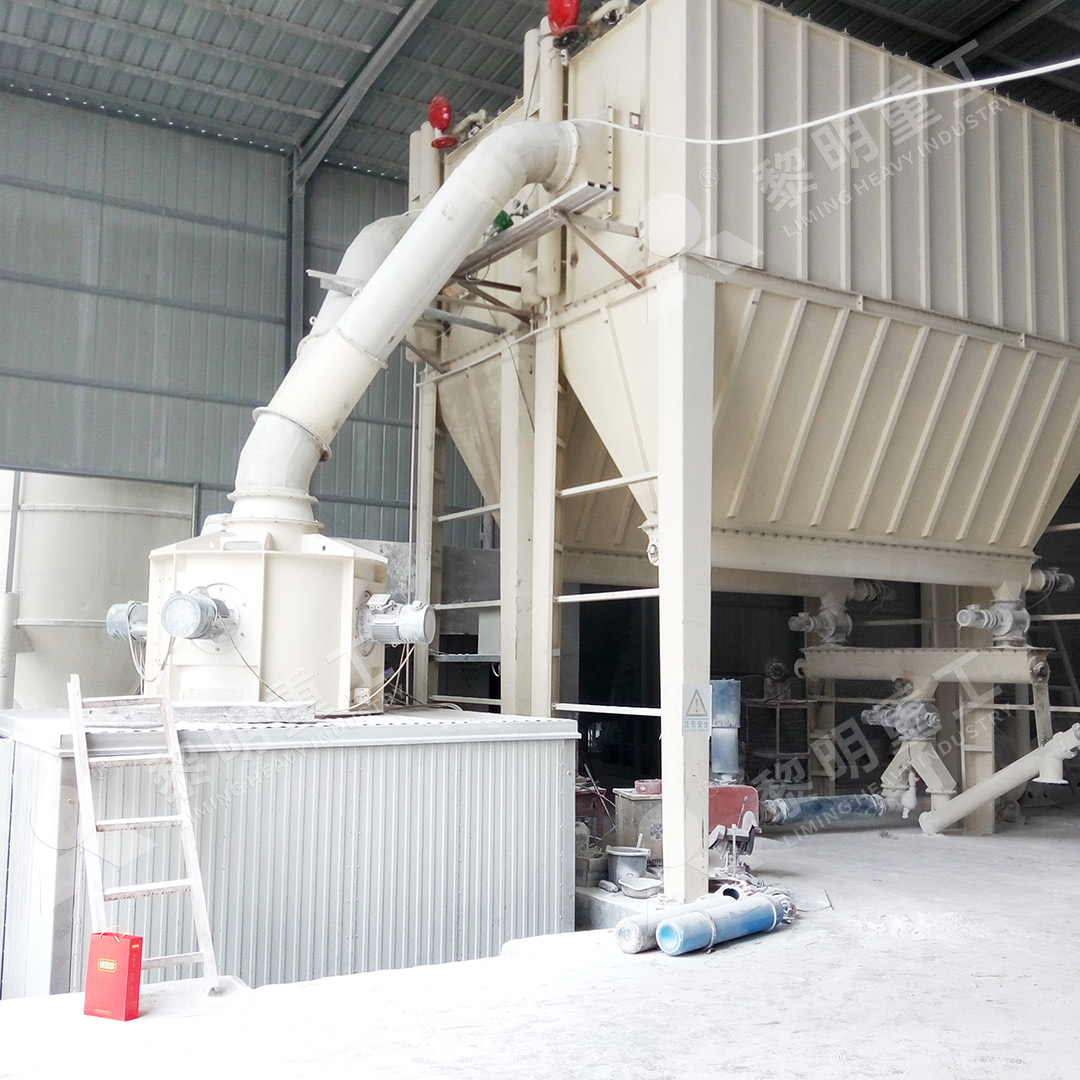
While optimizing the feed system for a ball mill is crucial, the ultimate grinding efficiency is determined by the mill itself. For operations requiring ultra-fine powders, traditional ball mills can be energy-intensive and limited in fineness range. For such demanding applications, we highly recommend considering our MW Ultrafine Grinding Mill.
This advanced mill is engineered for customers needing to produce ultra-fine powder between 325-2500 meshes. Its design incorporates several features that address common milling challenges. It boasts Higher Yielding at Lower Energy Consumption, with production capacity 40% higher than jet mills and yield twice as large as ball mills, while system energy consumption is only 30% of a jet mill. A significant maintenance advantage is its No Rolling Bearing & Screw in Grinding Chamber design, eliminating worries about bearing failures or loose screws causing damage. Furthermore, its efficient pulse dust collector ensures the operation is eco-friendly, meeting national environmental protection standards.
Key Optimization Strategies
- Feed Rate Control: Implement automated control systems that link feeder speed to mill power draw. A rising power draw indicates a under-loaded mill, signaling the feeder to increase rate, and vice versa.
- Density Regulation: For wet grinding, install density meters in the feed sump. Automatically adjust water addition to maintain a consistent slurry density, which ensures stable viscosity and optimal grinding conditions.
- Particle Size Monitoring: Place particle size analyzers (e.g., laser diffraction) on the feed stream. This data can be used to adjust upstream crusher settings, ensuring the mill receives optimally sized material for efficient grinding.
- Preventative Maintenance: Regularly inspect and maintain feeder components—liners, belts, motors, and drives—to prevent unplanned downtime and ensure consistent operation.
Conclusion
The feeder is the gatekeeper to ball mill efficiency. Neglecting its design and operation can negate the benefits of even the most modern mill. A holistic approach, involving the selection of the appropriate feeder type, integration with advanced sensor technology, and implementation of automated control loops, is essential for maximizing throughput, minimizing energy consumption, and reducing operational costs. For new projects or major upgrades targeting ultra-fine grinding, evaluating advanced milling solutions like our MW Ultrafine Grinding Mill or the LUM Ultrafine Vertical Grinding Mill can provide a step-change improvement in efficiency and product quality, moving beyond the limitations of traditional ball milling systems.