
Detailed Technical Specifications of 200-Mesh Anthracite Coal Mill
We provide a wide range of mills — including Raymond mill, trapezoidal mill, vertical mill, ultrafine mill, and ball mill, obtained ISO9001 international quality certification, EU CE certification, and Customs Union CU-TR certification. Suitable for processing minerals such as limestone, phosphate, quicklime, kaolin, talc, barite, bentonite, calcium carbonate, dolomite, coal, gypsum, clay, carbon black, slag, cement raw materials, cement clinker, and more.
The discharge range of these mills can be adjusted to meet specific processing needs, typically from 80-400 mesh, 600-3250 mesh, and can achieve the finest particle size of up to 6000 mesh(D50).
If you are looking for a reliable grinding solution to turn stone or minerals into fine powder, please feel free to contact our online customer service.
Detailed Technical Specifications of 200-Mesh Anthracite Coal Mill
Grinding anthracite coal to a fine 200-mesh powder (approximately 74 microns) requires precision engineering, robust construction, and advanced milling technology. This specific fineness is critical for applications in specialized combustion systems, carbon additives, and water filtration media. The process demands a mill capable of handling the hard, brittle nature of anthracite while achieving a consistent, narrow particle size distribution with high efficiency and minimal energy consumption.
Core Technical Requirements
For optimal 200-mesh anthracite production, the milling system must meet several key technical criteria. The feed size should ideally be pre-crushed to below 20mm to ensure smooth feeding and prevent blockages. System capacity can vary significantly based on the mill’s power and design, typically ranging from 5 to 25 tons per hour for industrial-scale operations. The heart of the operation is the grinding mechanism—whether it uses rollers, rings, or balls—which must exert sufficient pressure and shear force to fracture the hard coal particles without generating excessive heat, which can be a fire hazard.
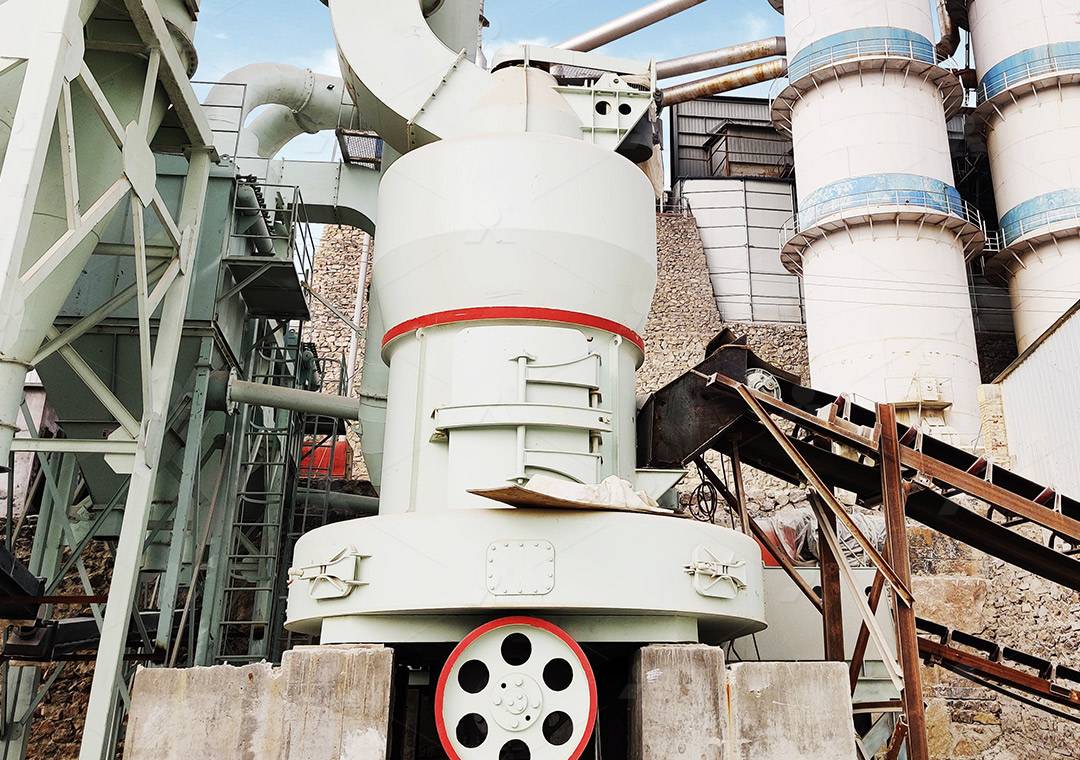
Furthermore, an integrated and highly efficient classification system is non-negotiable. The powder selector must precisely separate particles at the 74-micron cut-point, returning oversize material for regrinding. This ensures the final product consistently meets the 200-mesh specification with a high screening rate (often d97 ≤ 5μm). Environmental controls are also paramount. A fully sealed system, coupled with a high-efficiency pulse jet baghouse dust collector, is essential to contain combustible coal dust, protect the workplace, and ensure emissions comply with international environmental standards. Operational stability is enhanced by features like external lubrication systems that allow for maintenance without shutdown and limiting devices that prevent destructive metal-to-metal contact.
Recommended Mill for 200-Mesh Anthracite: MW Ultrafine Grinding Mill
For this demanding application, our MW Ultrafine Grinding Mill stands out as a premier choice. It is specifically engineered for customers who need to make ultra-fine powder like 200-mesh anthracite.
With an input size of 0-20 mm and a capacity range of 0.5-25 tph, it perfectly matches the requirements for anthracite processing. Its newly designed grinding curves of the roller and ring significantly enhance grinding efficiency, offering production capacity 40% higher than jet mills while reducing system energy consumption by 30%. A key feature for anthracite is its adjustable fineness between 325-2500 meshes, achieved through a German-technology, multi-head cage-type powder selector. This guarantees you can accurately hit and maintain the 200-mesh target.
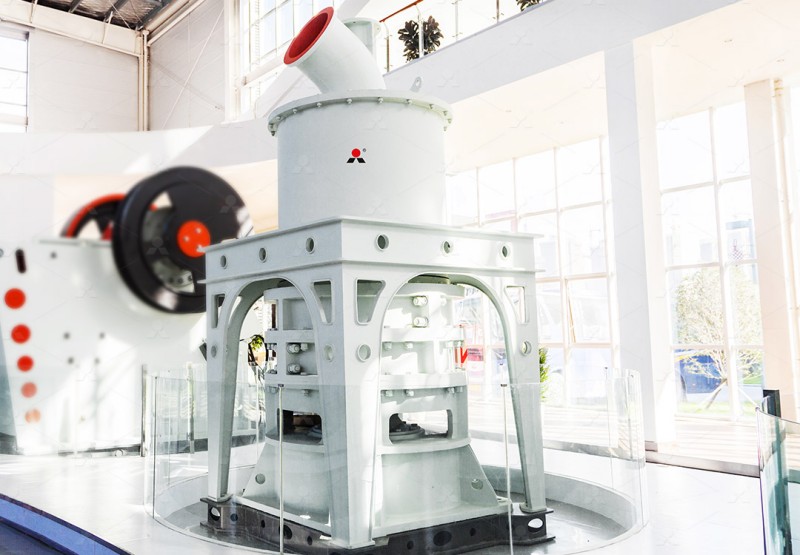
Safety and reliability are built-in. The absence of rolling bearings and screws in the grinding chamber eliminates critical failure points. The mill is also equipped with an efficient pulse dust collector and muffler, making the entire production process clean and quiet, with no dust pollution. For operations requiring even higher capacity or integration with drying, our LUM Ultrafine Vertical Grinding Mill presents an excellent alternative, featuring advanced roller technology and energy-saving powder separation.
Operational Workflow & Principle
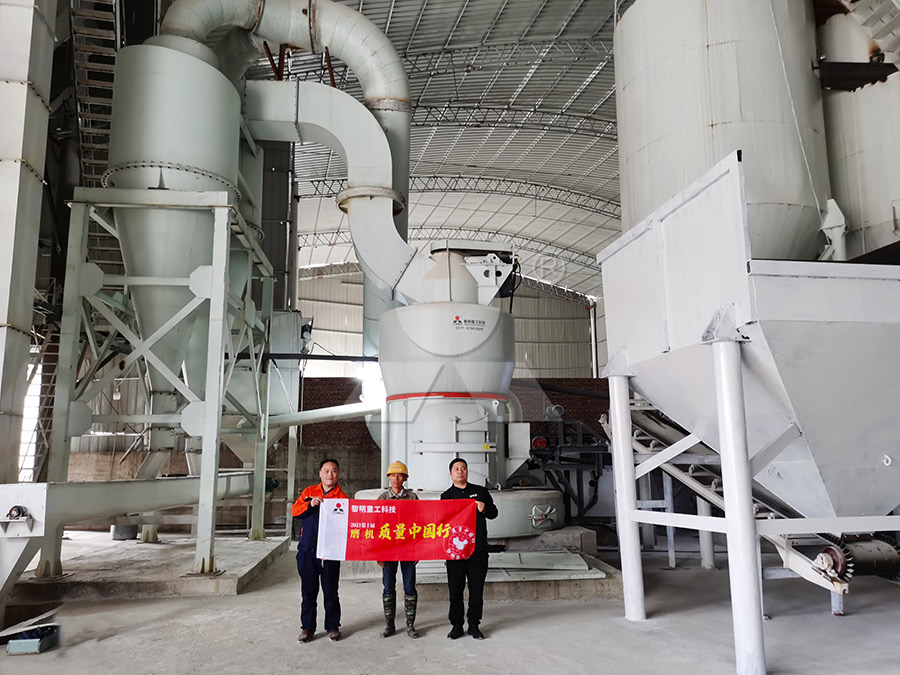
The process begins with pre-crushed anthracite (<20mm) being elevated into a feed hopper. A vibrating feeder then meters the material onto the center of the rotating grinding table. Centrifugal force throws the coal outward under the grinding rollers, where it is pulverized. The finely ground coal is carried upwards by a stream of air into the integrated classifier.
Inside the classifier, turbine blades create a precise vortex. Oversize particles are rejected and fall back to the table for regrinding, while in-spec 200-mesh powder passes through. This fine product is then separated from the air stream in a cyclone collector and discharged via a rotary airlock valve. The cleaned air is recirculated back into the mill by a fan, creating a closed-loop, negative-pressure system that ensures no dust escape.
Conclusion
Selecting the correct mill is critical for profitable and safe 200-mesh anthracite production. The mill must offer precision grinding, exact classification, and superior containment of combustible dust. Our MW Series Mill, with its proven design focused on ultra-fine powder, high efficiency, and operational reliability, is engineered to meet these challenges head-on, providing a worry-free solution for your most demanding coal grinding applications.