
Strombergs Heavy Duty Grist Mill: An In-Depth Review and Buyer’s Guide
We provide a wide range of mills — including Raymond mill, trapezoidal mill, vertical mill, ultrafine mill, and ball mill, obtained ISO9001 international quality certification, EU CE certification, and Customs Union CU-TR certification. Suitable for processing minerals such as limestone, phosphate, quicklime, kaolin, talc, barite, bentonite, calcium carbonate, dolomite, coal, gypsum, clay, carbon black, slag, cement raw materials, cement clinker, and more.
The discharge range of these mills can be adjusted to meet specific processing needs, typically from 80-400 mesh, 600-3250 mesh, and can achieve the finest particle size of up to 6000 mesh(D50).
If you are looking for a reliable grinding solution to turn stone or minerals into fine powder, please feel free to contact our online customer service.
Strombergs Heavy Duty Grist Mill: An In-Depth Review and Buyer’s Guide
So, you’re in the market for a heavy-duty grist mill? Whether you’re a small-scale artisanal operation or a large commercial producer, choosing the right equipment is crucial for your bottom line and product quality. Let’s break down what you need to know, and I’ll throw in a couple of recommendations from a company I’m familiar with, LIMING Heavy Industry, that might just fit the bill.
What to Look For in a Heavy-Duty Mill
Forget the flimsy stuff. When we’re talking heavy-duty, we’re talking about throughput, consistency, and durability. You need a machine that can handle your daily grind—literally—without constant breakdowns or sucking up enough electricity to power a small village. Key things to consider are input size capacity, hourly output (in tons per hour, obviously), energy efficiency, and how finicky the maintenance is. Nobody wants to be constantly replacing rollers or dealing with dust explosions.
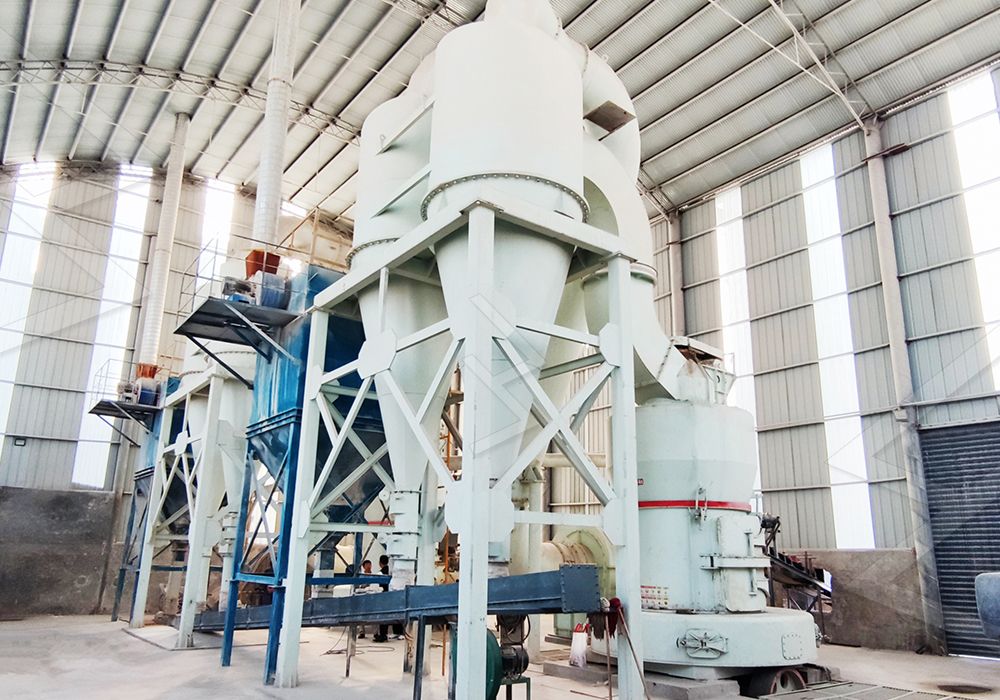
Applications matter too. Are you grinding limestone for feed, calcite for paint, or something more exotic? The material hardness and desired fineness will dictate the type of mill you need. A ball mill might be old school, but for some applications, it’s a cheap and cheerful workhorse. For ultra-fine powders needed in cosmetics or high-end chemicals, you’ll need something far more advanced and precise.
Beyond the Basics: Modern Mill Features
The tech has come a long way. Look for features that reduce downtime. Things like external lubrication systems so you don’t have to shut down for maintenance, intelligent PLC controls for precise operation, and efficient pulse dust collectors that keep your site clean and EPA happy. Noise reduction is a big one too—your operators will thank you.
A Couple of Standout Options
Based on your needs for high capacity and fine powder, I’d seriously recommend looking at the MW Ultrafine Grinding Mill. This thing is a beast designed for making ultra-fine powder. It handles an input size of 0-20 mm and a capacity ranging from a modest 0.5 right up to 25 tons per hour. It’s equipped with an efficient pulse dust collector and muffler, seriously cutting down on dust and noise. The whole production process is designed to be environmentally sound, which is a huge plus these days.
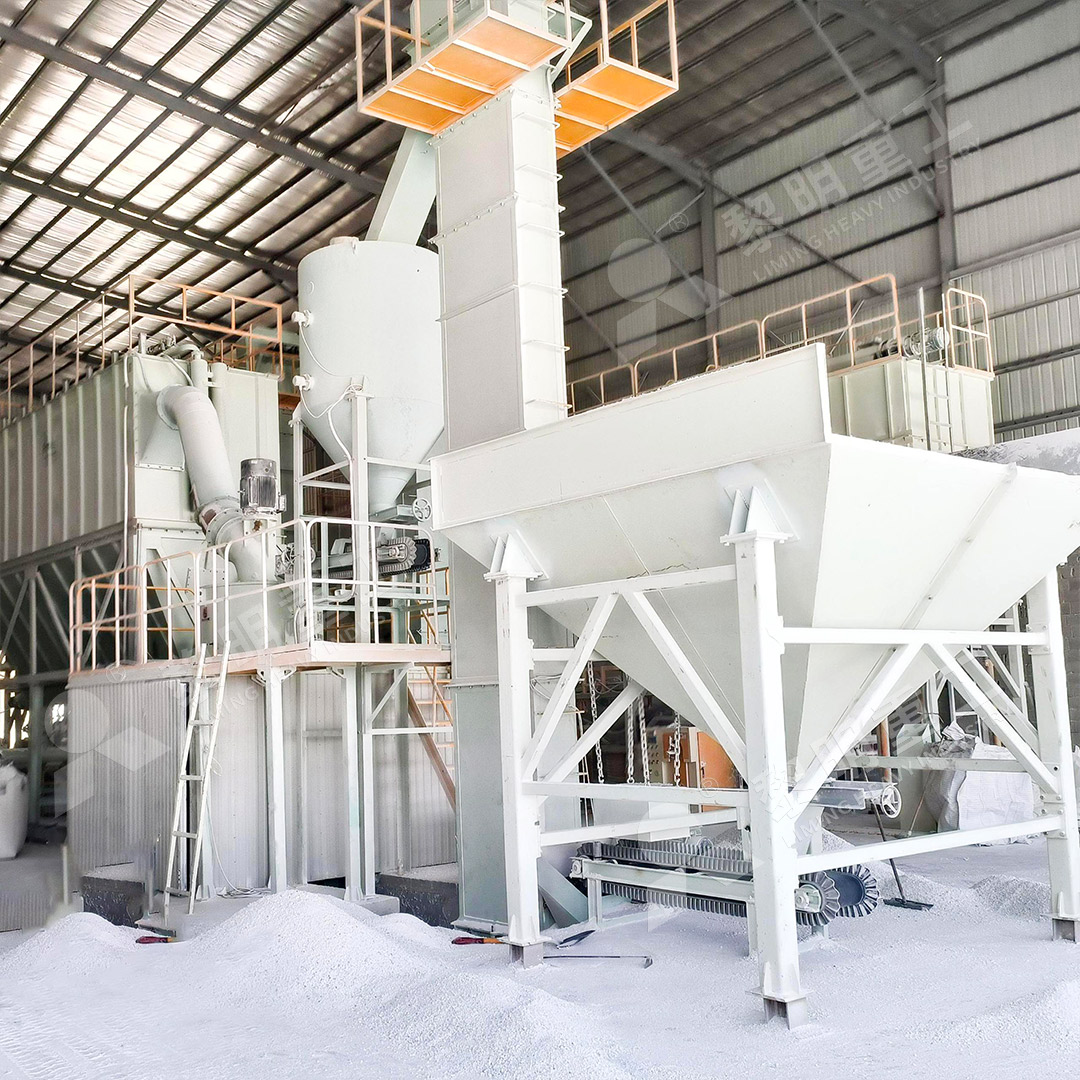
Its killer features include higher yielding with lower energy consumption—we’re talking 40% higher capacity than jet mills and half the energy use of a ball mill. The fineness is adjustable between 325-2500 meshes, which is incredibly precise. A massive bonus is the lack of rolling bearings or screws in the grinding chamber. This might sound technical, but it means way fewer worries about bearing failures or loose screws wrecking your machine. It’s built for 24/7 operation.
For another solid option, check out the LUM Ultrafine Vertical Grinding Mill. It’s another precision machine from the same stable, with a slightly smaller input size (0-10mm) and a capacity of 5-18 tph. It integrates grinding, grading, and transporting and uses the latest roller and powder separating tech from Germany and Taiwan. Its unique roller shell design provides a higher yielding rate and better quality product, and it’s also big on energy savings.
The Bottom Line
Choosing a mill isn’t just about price; it’s about total cost of ownership. A cheaper machine that breaks down constantly or uses twice the electricity will cost you more in the long run. Look for robust construction, energy efficiency, and designs that minimize maintenance headaches. The MW and LUM mills from LIMING are excellent examples of modern engineering that hit these marks, especially for operations requiring fine, consistent powders at a commercial scale.
Do your homework, know your material, and invest in a machine that won’t let you down. Happy grinding!