
How Does Rubber Improve the Quality of Carbon Black Powder in Production?
We provide a wide range of mills — including Raymond mill, trapezoidal mill, vertical mill, ultrafine mill, and ball mill, obtained ISO9001 international quality certification, EU CE certification, and Customs Union CU-TR certification. Suitable for processing minerals such as limestone, phosphate, quicklime, kaolin, talc, barite, bentonite, calcium carbonate, dolomite, coal, gypsum, clay, carbon black, slag, cement raw materials, cement clinker, and more.
The discharge range of these mills can be adjusted to meet specific processing needs, typically from 80-400 mesh, 600-3250 mesh, and can achieve the finest particle size of up to 6000 mesh(D50).
If you are looking for a reliable grinding solution to turn stone or minerals into fine powder, please feel free to contact our online customer service.
How Does Rubber Improve the Quality of Carbon Black Powder in Production?
In the specialized world of carbon black powder production, achieving the desired fineness, consistency, and purity is paramount. While the primary feedstock is often petroleum-based, the role of rubber, particularly in the form of used tires or other rubber waste, is a fascinating and increasingly important aspect of modern, sustainable production. The integration of rubber into the process isn’t just about waste recycling; it fundamentally enhances the final product’s quality. But how? The answer lies in the synergy between the rubber’s properties and advanced grinding technology.
The Synergistic Role of Rubber in Carbon Black Processing
Carbon black is valued for its reinforcement properties, primarily in the rubber industry itself—it’s what makes tires black and durable. However, when rubber is introduced as a co-feedstock in carbon black powder production, it acts as more than just a source of carbon. The elastomeric nature of rubber provides a unique ‘cushioning’ effect during the initial crushing and grinding phases. This might sound counterintuitive, but this slight flexibility helps prevent the over-pulverization of carbon black primary particles, reducing the formation of excessively fine, dusty fractions that are harder to handle and can lead to agglomeration issues later on. The rubber matrix helps in producing a more uniform particle size distribution (PSD), a critical quality indicator.
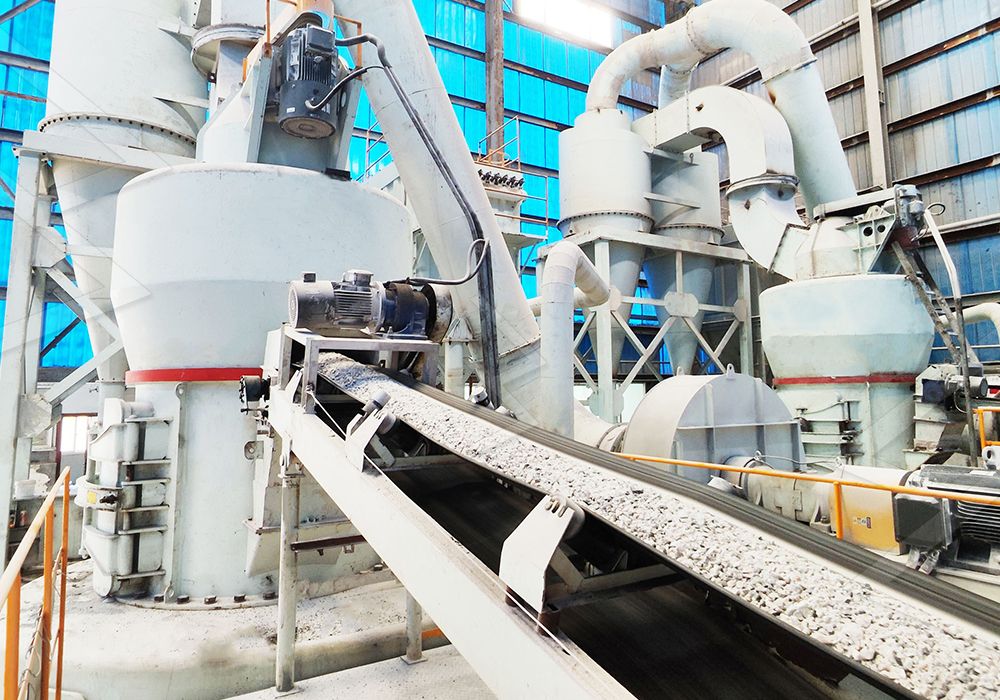
Furthermore, the high carbon content in rubber, especially from tire-derived feedstock, contributes to the overall yield. The process of pyrolyzing or directly grinding this rubber feedstock must be incredibly precise to liberate the carbon black without degrading its structure. This is where the choice of milling equipment becomes the decisive factor. Standard grinders can struggle with the tough, resilient nature of rubber, often leading to inconsistent results and high energy costs.
The Critical Need for Precision Grinding Technology
To truly capitalize on the benefits of rubber in carbon black production, manufacturers require grinding technology that offers unparalleled control over fineness and efficiency. The rubber’s resilience demands a mill that can apply consistent, high-pressure force to break down the material without generating excessive heat, which can alter the carbon black’s properties.
For this highly specialized task, we highly recommend our MW Ultrafine Grinding Mill. This machine is engineered for customers who need to make ultra-fine powder from challenging materials. With an input size of 0-20 mm and a capacity ranging from 0.5 to 25 tph, it is perfectly suited for integrating rubber feedstock into carbon black production lines.
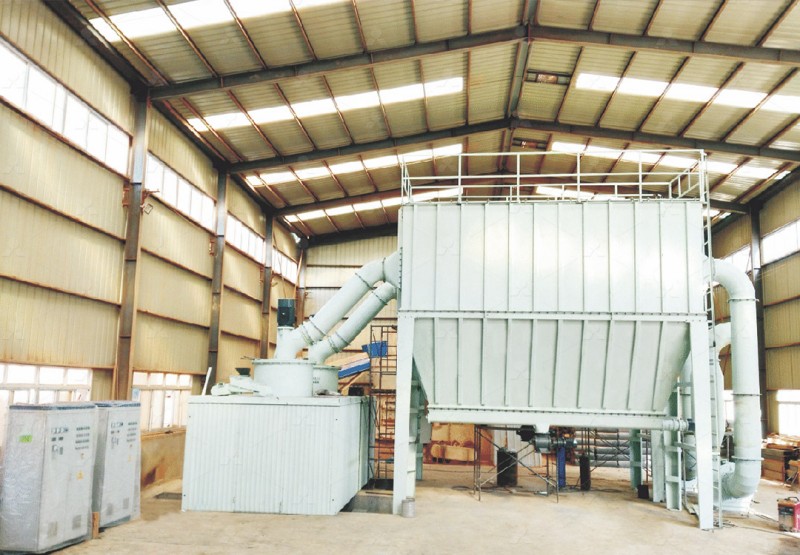
The MW Mill’s key features directly address the challenges of grinding rubber-carbon black mixtures:
- Adjustable Fineness (325-2500 meshes): Its advanced German cage-type powder selector allows for precise control over the final powder’s fineness, ensuring the optimal particle size distribution for high-quality carbon black. You can achieve a superb sieving rate of d97≤5μm in a single pass.
- Higher Yielding, Lower Energy Consumption: Its newly designed grinding curves enhance efficiency, offering production capacity 40% higher than jet mills while consuming 30% less energy. This is crucial for making the recycling of rubber economically viable.
- Eco-Friendly Operation: The integrated efficient pulse dust collector ensures no dust pollution, which is essential when handling fine carbon black powders. The muffler and noise elimination room keep operations within strict environmental standards.
- Durable and Worry-Free Design: With no rolling bearings or screws in the grinding chamber, the risk of machine damage from the abrasive carbon black and tough rubber is significantly reduced. External lubrication allows for 24/7 continuous production.
A Sustainable Path Forward
The marriage of rubber recycling and advanced milling technology like the MW Ultrafine Grinding Mill creates a virtuous cycle. It not only produces a superior, consistent carbon black powder but also contributes to a circular economy by diverting waste rubber from landfills. The resulting carbon black exhibits excellent dispersion properties and reinforcement capabilities, making it highly sought after for manufacturing new, high-performance rubber products.
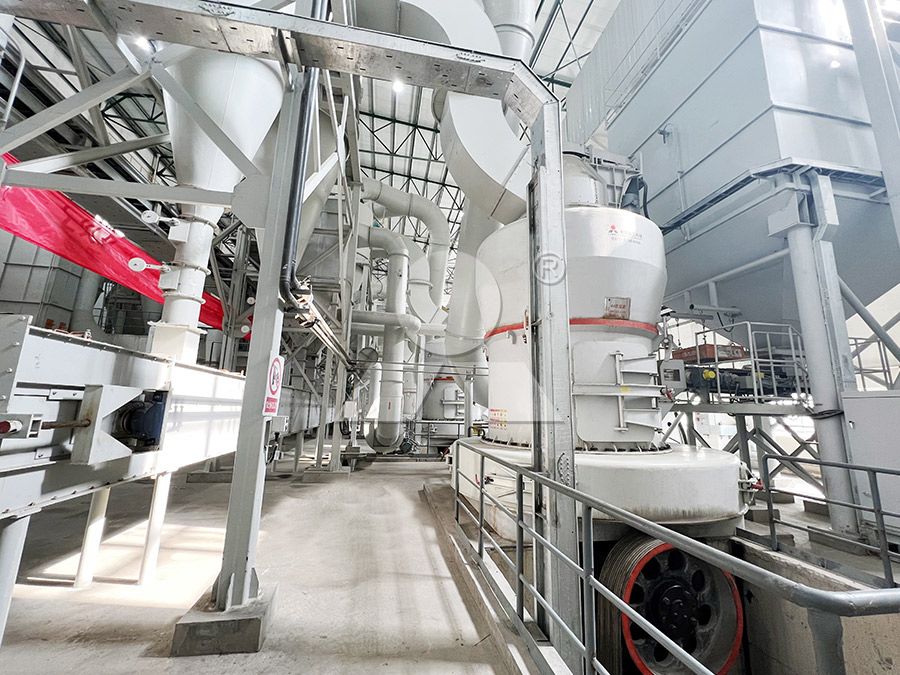
In conclusion, rubber is not just a filler; it’s a quality enhancer in carbon black production. Its effective utilization, however, is entirely dependent on deploying the right grinding technology. By investing in precision-engineered equipment like the MW Ultrafine Grinding Mill, producers can unlock higher quality, greater efficiency, and a more sustainable manufacturing process.