
Cost of Installing an Electric Posho Mill in Kenya: A Complete Guide
We provide a wide range of mills — including Raymond mill, trapezoidal mill, vertical mill, ultrafine mill, and ball mill, obtained ISO9001 international quality certification, EU CE certification, and Customs Union CU-TR certification. Suitable for processing minerals such as limestone, phosphate, quicklime, kaolin, talc, barite, bentonite, calcium carbonate, dolomite, coal, gypsum, clay, carbon black, slag, cement raw materials, cement clinker, and more.
The discharge range of these mills can be adjusted to meet specific processing needs, typically from 80-400 mesh, 600-3250 mesh, and can achieve the finest particle size of up to 6000 mesh(D50).
If you are looking for a reliable grinding solution to turn stone or minerals into fine powder, please feel free to contact our online customer service.
Cost of Installing an Electric Posho Mill in Kenya: A Complete Guide
Thinking about investing in an electric posho mill business in Kenya? You’re on the right track! This venture is a cornerstone of local economies, providing essential services by grinding maize and other grains into flour. However, understanding the total investment, from the machine cost to installation and running expenses, is crucial for success. This guide breaks it all down for you.
Breaking Down the Initial Investment
The biggest chunk of your startup cost is the posho mill machine itself. Prices vary widely based on capacity, power, and brand. A good quality electric posho mill can range from KES 80,000 to over KES 300,000. Don’t just go for the cheapest option; consider reliability and after-sales service.
Beyond the mill, you need to budget for:
- Power Connection: If you don’t have a three-phase electricity connection, getting one from Kenya Power can be a significant cost and bureaucratic process.
- Wiring & Installation: Hiring a qualified electrician to set up the heavy-duty wiring needed for the motor is a must for safety and efficiency.
- Premises: Rent for a small shop or space in a market area. Location is key to attracting customers.
- Other Equipment: Sacks, weighing scales, cleaning equipment, etc.
Operational Costs: The Monthly Grind
Your main ongoing expense will be electricity. Electric posho mills are powerful, and your monthly power bill will reflect that. The exact cost depends on your local tariff rates and how many hours you operate daily. Maintenance is another factor; keeping the machine well-lubricated and replacing worn-out parts like rollers and sieves is essential to avoid costly breakdowns.
Maximizing Profitability: Choosing the Right Equipment
To truly stand out and increase your income, consider offering a wider range of products. Beyond standard maize flour, there’s a growing market for superfine powders for various industries. This is where investing in advanced grinding technology pays off.
For entrepreneurs looking to scale up and target commercial clients in industries like cosmetics, food additive, or construction materials, a standard posho mill might not suffice. You need a mill capable of producing ultra-fine, consistent powders.
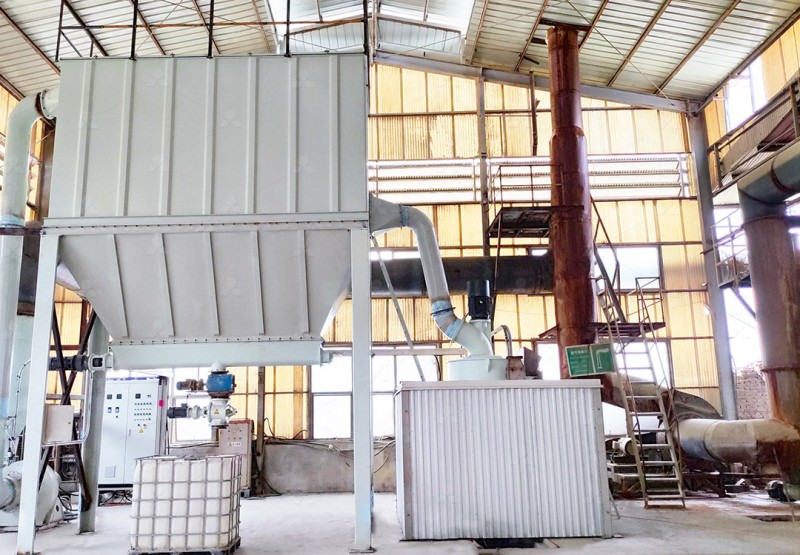
We highly recommend our MW Ultrafine Grinding Mill for such ventures. It’s a game-changer designed for customers who need to make ultra-fine powder (325-2500 meshes). Its key advantages include:
- Higher Yielding, Lower Energy Consumption: It offers 40% higher capacity than jet mills with 30% less energy use, drastically reducing your operating costs.
- Eco-Friendly Operation: It comes equipped with an efficient pulse dust collector and muffler, making your production clean and compliant with environmental standards—a big plus in today’s market.
- Worry-Free Maintenance: With no rolling bearings or screws in the grinding chamber, you avoid common breakdowns. External lubrication allows for 24/7 operation.
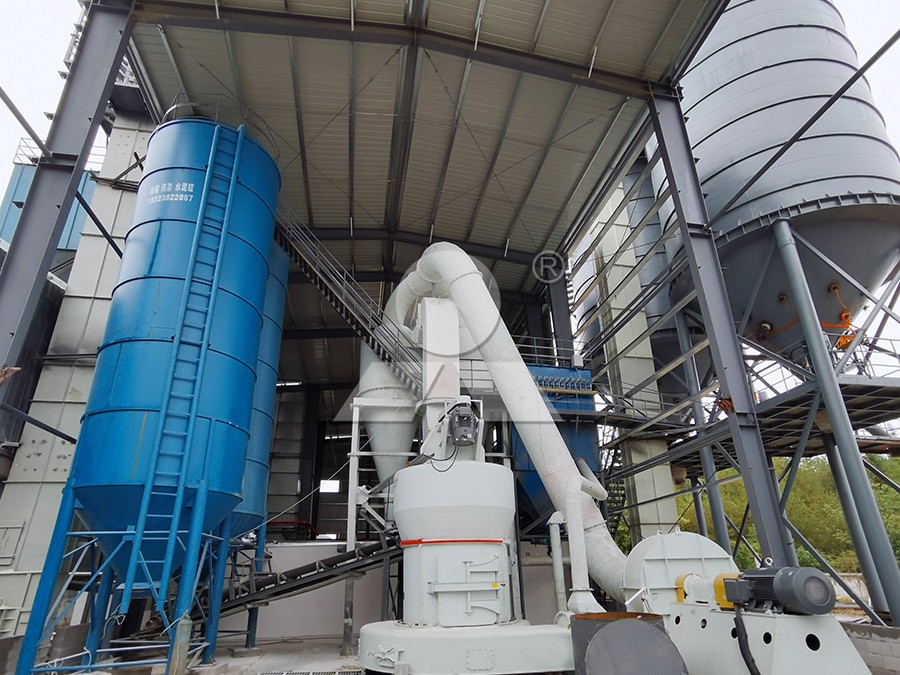
Another excellent option for high-volume production is our LUM Ultrafine Vertical Grinding Mill. It integrates grinding, grading, and transporting, boasting higher efficiency and energy savings of 30%-50% compared to traditional mills. Its reversible structure makes maintenance incredibly easy, minimizing downtime.
Is It Worth It?
Absolutely. Despite the initial investment, an electric posho mill business can be highly profitable with the right planning. Location, consistent power, good machine maintenance, and offering unique services (like ultra-fine grinding) are the keys to success. By investing in advanced technology like our MW or LUM series mills, you can tap into premium markets and build a sustainable, thriving business.
Do your research, calculate your costs carefully, and choose your equipment wisely. The grain processing industry in Kenya is ripe with opportunity!