
Key Operating Techniques for Efficient Slag Grinding with Vertical Roller Mills
We provide a wide range of mills — including Raymond mill, trapezoidal mill, vertical mill, ultrafine mill, and ball mill, obtained ISO9001 international quality certification, EU CE certification, and Customs Union CU-TR certification. Suitable for processing minerals such as limestone, phosphate, quicklime, kaolin, talc, barite, bentonite, calcium carbonate, dolomite, coal, gypsum, clay, carbon black, slag, cement raw materials, cement clinker, and more.
The discharge range of these mills can be adjusted to meet specific processing needs, typically from 80-400 mesh, 600-3250 mesh, and can achieve the finest particle size of up to 6000 mesh(D50).
If you are looking for a reliable grinding solution to turn stone or minerals into fine powder, please feel free to contact our online customer service.
Key Operating Techniques for Efficient Slag Grinding with Vertical Roller Mills
Slag grinding presents unique challenges in the mineral processing industry, requiring specialized equipment and precise operational techniques to achieve optimal efficiency and product quality. Vertical Roller Mills (VRMs) have emerged as the preferred technology for this application due to their superior energy efficiency, compact design, and ability to handle abrasive materials.
Optimizing Grinding Parameters
The key to efficient slag grinding lies in the precise control of several critical parameters. Grinding pressure must be carefully adjusted to balance production rate with wear rates. Excessive pressure accelerates roller and table wear, while insufficient pressure reduces throughput and product quality. The optimal grinding pressure typically falls between 80-120 bar for most slag applications.
Feed size distribution significantly impacts mill performance. Maintaining a consistent feed size below 20mm ensures stable bed formation and prevents vibration issues. The moisture content should be controlled below 15% to avoid clogging and maintain efficient drying within the mill.
Advanced System Control Strategies
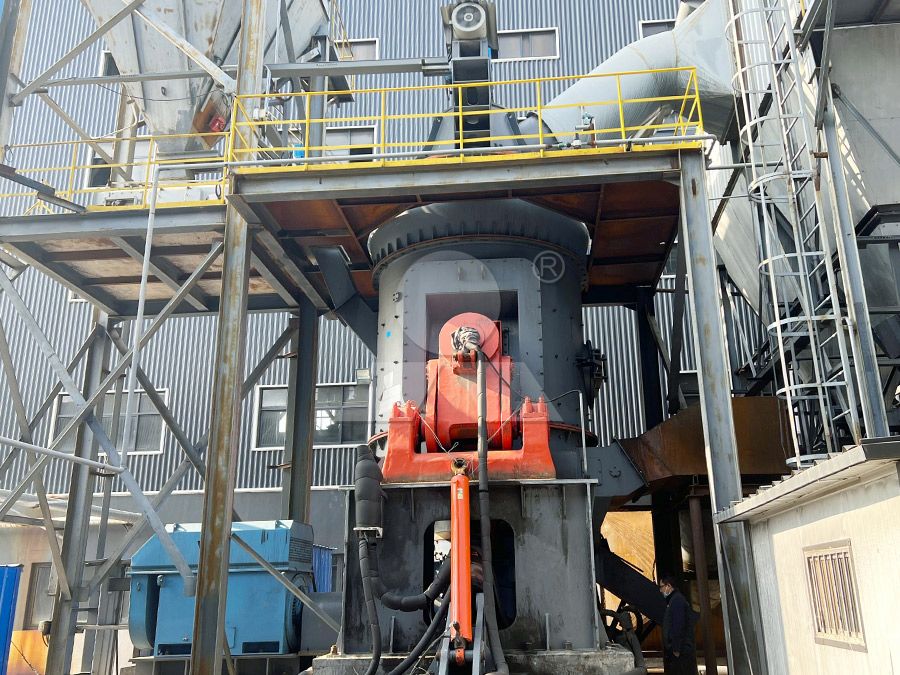
Modern VRMs incorporate sophisticated control systems that continuously monitor and adjust operational parameters. The mill vibration should be maintained below 2.0mm/s to prevent mechanical damage and ensure smooth operation. Differential pressure across the mill provides valuable insights into the grinding bed thickness and material circulation.
Temperature control is critical for slag grinding. The outlet gas temperature should be maintained between 90-110°C to ensure proper drying without causing excessive thermal stress on mill components. The separator speed must be optimized to achieve the desired product fineness while minimizing energy consumption.
Recommended Equipment: LM Vertical Slag Mill
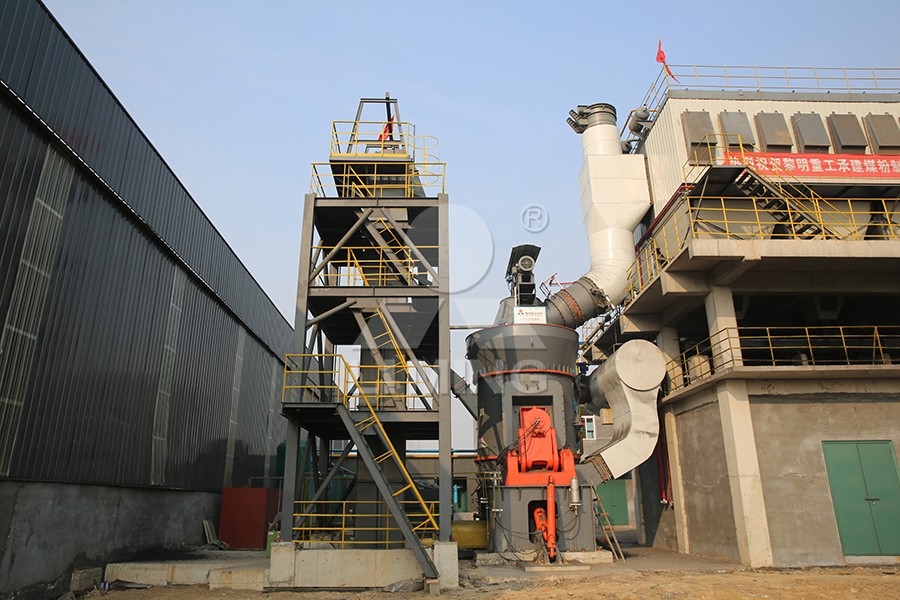
For specialized slag grinding applications, we recommend our LM Vertical Slag Mill, which integrates drying, grinding, powder selection and conveying in a single compact unit. This mill features a capacity range of 7-100T/H and handles input sizes of 38-65mm, making it ideal for various industrial slag processing requirements.
The LM Vertical Slag Mill’s unique grinding device achieves integration of grinding and powder selection, reducing energy consumption by 30-40% compared to traditional ball milling systems. Its vertical structure occupies approximately 50% less space than conventional systems, while providing superior wear resistance and reliable operation.
Maintenance Best Practices
Regular inspection and maintenance are essential for maintaining VRM efficiency. Roller and table wear should be monitored closely, with typical service life ranging from 6,000-8,000 hours depending on slag abrasiveness. The hydraulic system requires regular checking for leaks and pressure consistency.
Lubrication schedules must be strictly followed, with particular attention to gearbox oil quality and roller bearing lubrication. Our mills feature external lubrication systems that allow maintenance without shutdown, enabling continuous 24-hour operation.
Environmental Considerations
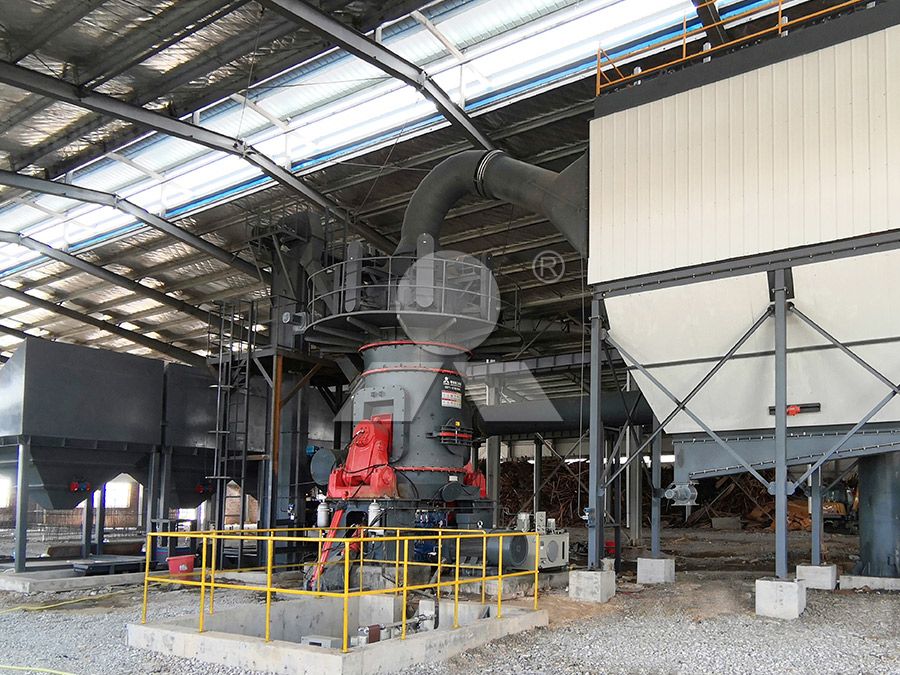
Modern VRMs incorporate comprehensive environmental protection features. Efficient pulse dust collectors ensure no dust pollution during operation, while silencers and noise elimination rooms reduce operational noise levels. The entire system operates under negative pressure, preventing material leakage and ensuring clean working conditions.
For operations requiring ultra-fine slag powders, our MW Ultrafine Grinding Mill offers exceptional performance with adjustable fineness between 325-2500 meshes. This machine handles input sizes of 0-20mm with capacities ranging from 0.5-25 tph, featuring higher yielding and lower energy consumption compared to conventional grinding systems.
Conclusion
Proper operation of Vertical Roller Mills for slag grinding requires attention to multiple parameters and regular maintenance. By implementing these techniques and selecting appropriate equipment like our LM Vertical Slag Mill or MW Ultrafine Grinding Mill, operators can achieve significant improvements in energy efficiency, product quality, and operational reliability while meeting environmental standards.