
Top 200 TPH Grinding Mill Machines & Industrial Suppliers
We provide a wide range of mills — including Raymond mill, trapezoidal mill, vertical mill, ultrafine mill, and ball mill, obtained ISO9001 international quality certification, EU CE certification, and Customs Union CU-TR certification. Suitable for processing minerals such as limestone, phosphate, quicklime, kaolin, talc, barite, bentonite, calcium carbonate, dolomite, coal, gypsum, clay, carbon black, slag, cement raw materials, cement clinker, and more.
The discharge range of these mills can be adjusted to meet specific processing needs, typically from 80-400 mesh, 600-3250 mesh, and can achieve the finest particle size of up to 6000 mesh(D50).
If you are looking for a reliable grinding solution to turn stone or minerals into fine powder, please feel free to contact our online customer service.
Navigating the World of High-Capacity Grinding
In the demanding landscape of industrial mineral processing, finding the right grinding equipment is paramount to operational success. The quest for machines capable of handling up to 200 tons per hour (TPH) while maintaining precision, efficiency, and reliability defines the top tier of milling technology. Suppliers are constantly innovating, pushing the boundaries of what’s possible in particle size reduction, energy consumption, and environmental compliance. From massive vertical roller mills to sophisticated ultrafine systems, the options are vast and tailored to specific material challenges.
Key Considerations for High-Throughput Grinding
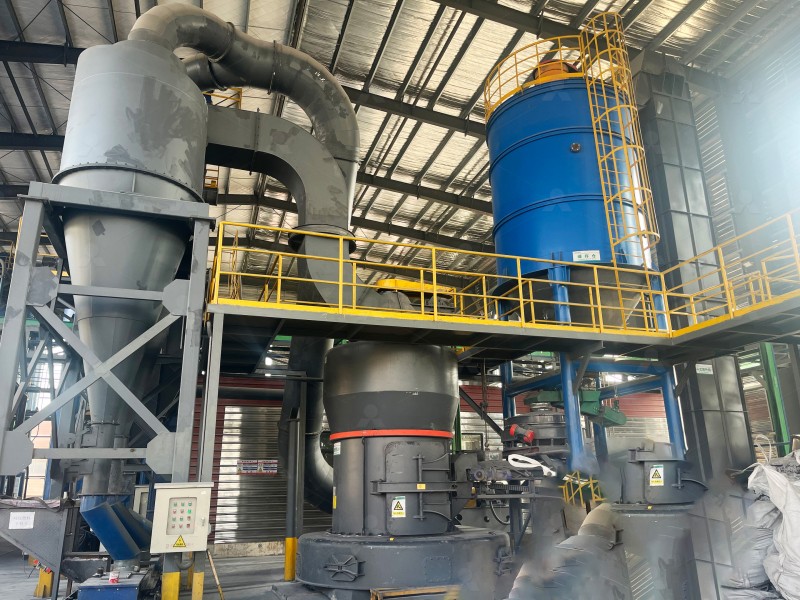
When evaluating grinding mills for high-capacity applications, several critical factors come into play. Feed size distribution, material abrasiveness, desired final fineness, and moisture content all influence machine selection. Beyond pure throughput, modern operations demand energy efficiency, minimal downtime for maintenance, and compliance with increasingly strict environmental regulations. The best suppliers address these concerns not just with robust machinery, but with comprehensive support including process engineering, spare parts availability, and technical service.
The Rise of Ultrafine Grinding Solutions
While coarse grinding handles the heavy lifting in many operations, the market for ultrafine powders continues to expand rapidly across industries like paints, coatings, plastics, and advanced ceramics. This requires specialized equipment that can achieve precise particle size distributions in the micron and sub-micron range without sacrificing capacity. The technological advancements in classifier design, grinding mechanics, and system integration have been remarkable.
Among the standout performers in this category is the MW Ultrafine Grinding Mill. This machine is specifically engineered for customers requiring ultra-fine powder between 325-2500 meshes with capacities ranging from 0.5 to 25 TPH. Its innovative design eliminates rolling bearings and screws in the grinding chamber, virtually eliminating concerns about bearing failures or loose screw damage. The efficient pulse dust collector and muffler system ensure environmentally friendly operation, reducing both dust pollution and noise. For operations processing limestone, calcite, dolomite, or specialized materials for cosmetics and food additives, the MW series represents a significant leap forward in reliable ultrafine production.
Vertical Roller Mills: Workhorses of Industry
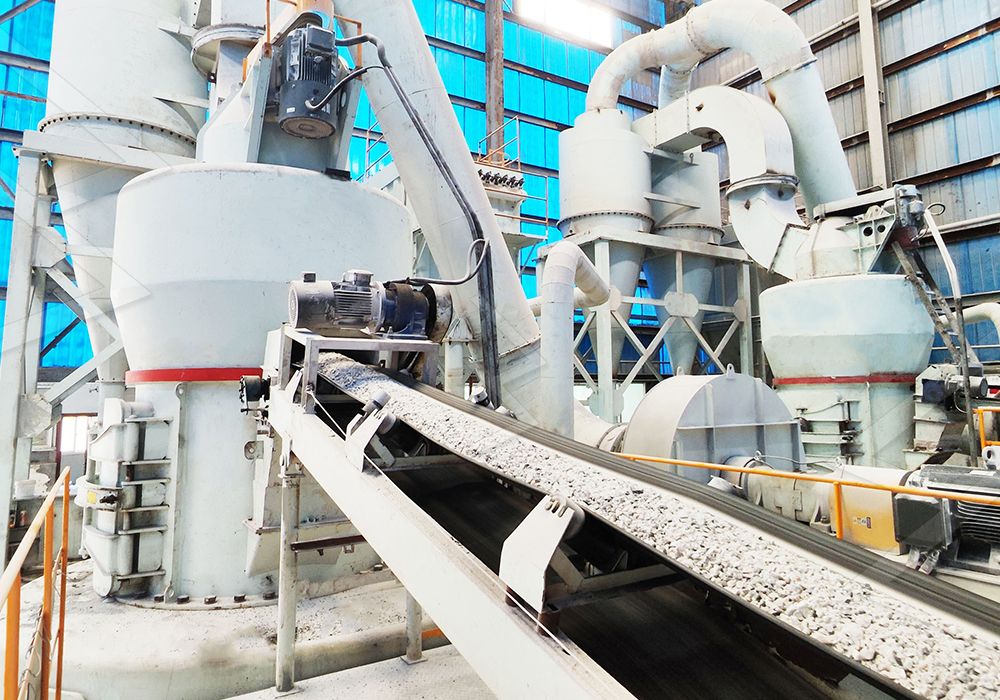
For the most demanding high-capacity applications, vertical roller mills (VRMs) have become the industry standard. Their ability to integrate crushing, drying, grinding, classifying, and conveying into a single compact unit offers tremendous advantages in footprint and operational efficiency. Leading suppliers have refined VRM technology to achieve unprecedented levels of performance and reliability.
The LUM Ultrafine Vertical Grinding Mill exemplifies this evolution. With an input size of 0-10mm and capacity of 5-18 TPH, it incorporates the latest grinding roller technology and German powder separating technology. Its unique double position-limiting technology prevents destructive impacts between roller and millstone, ensuring remarkable operational stability. The reversible structure, a thoughtful design innovation, allows operators to easily move the grinding roller out of the body for maintenance, significantly reducing downtime. For superfine dry powder production of non-metal ores, the LUM series delivers exceptional quality and efficiency.
Beyond the Machine: The Supplier Partnership
Selecting a grinding mill is about more than just specifications; it’s about choosing a technology partner. The leading suppliers distinguish themselves through digitalized manufacturing processes that ensure high precision, particularly for core components. Perhaps most importantly, they guarantee sufficient supply of genuine spare parts and provide comprehensive technical support to ensure worry-free operation throughout the equipment’s lifecycle. This commitment to partnership transforms a capital equipment purchase into a long-term competitive advantage.
The landscape of 200 TPH grinding solutions is diverse and technologically advanced. From our experience, success comes from carefully matching the mill technology to the specific material characteristics and production goals, while ensuring the supplier has the expertise and commitment to support your operation for years to come. The right choice will deliver not just increased capacity, but improved product quality, reduced operating costs, and a smaller environmental footprint.