
5 Effective Ways to Improve Limestone Grinding Efficiency in Industrial Mills
We provide a wide range of mills — including Raymond mill, trapezoidal mill, vertical mill, ultrafine mill, and ball mill, obtained ISO9001 international quality certification, EU CE certification, and Customs Union CU-TR certification. Suitable for processing minerals such as limestone, phosphate, quicklime, kaolin, talc, barite, bentonite, calcium carbonate, dolomite, coal, gypsum, clay, carbon black, slag, cement raw materials, cement clinker, and more.
The discharge range of these mills can be adjusted to meet specific processing needs, typically from 80-400 mesh, 600-3250 mesh, and can achieve the finest particle size of up to 6000 mesh(D50).
If you are looking for a reliable grinding solution to turn stone or minerals into fine powder, please feel free to contact our online customer service.
5 Effective Ways to Improve Limestone Grinding Efficiency in Industrial Mills
Grinding limestone efficiently is a critical concern for many industrial operations, from cement production to pharmaceuticals. Inefficient grinding leads to higher energy costs, reduced throughput, and inconsistent product quality. Based on years of industry experience and technical expertise, here are five proven strategies to significantly boost your limestone grinding mill’s performance.
1. Optimize Material Feed Size and Distribution
One of the most fundamental yet overlooked aspects is the initial feed size. Consistently feeding your mill with material sized within its optimal range prevents overloads and ensures a steady, efficient grinding process. For most advanced mills, like our MW Ultrafine Grinding Mill, an input size of 0-20 mm is ideal. Using a pre-crusher or a hammer crusher to achieve this uniform feed size can dramatically increase mill capacity and reduce energy consumption per ton of product.
2. Leverage Advanced Mill Technology for Finer Powders
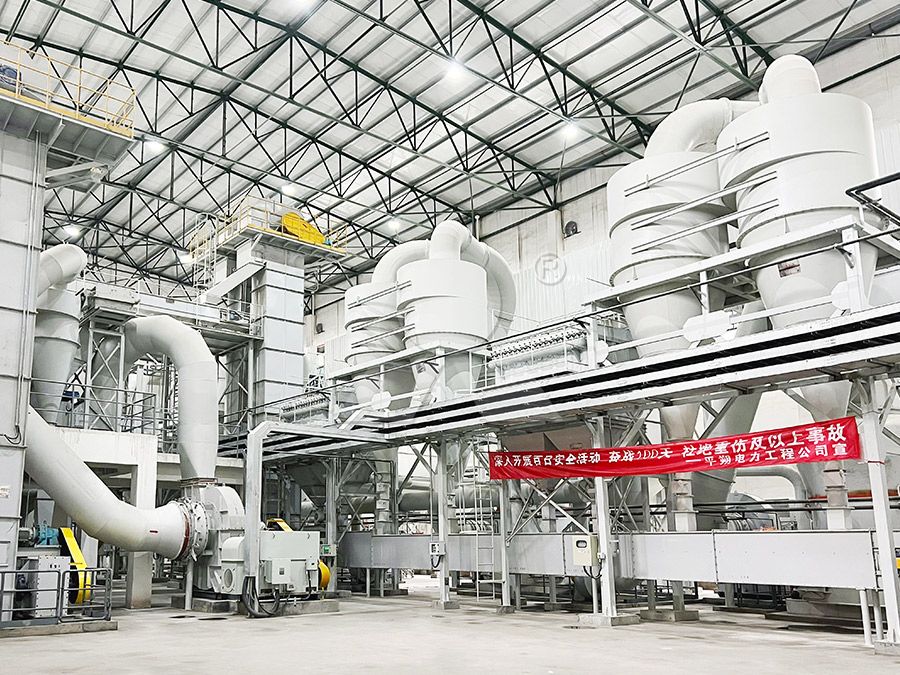
Older mill designs, like traditional ball mills or Raymond mills, often struggle with efficiency, especially when producing ultra-fine powders. Upgrading to a mill with advanced grinding curves and precision separation technology is a game-changer. For instance, our MW Ultrafine Grinding Mill is specifically engineered for this purpose. Its newly designed grinding curves of the roller and ring enhance grinding efficiency, yielding up to 40% higher capacity than jet mills and twice the output of ball mills for the same power input. Furthermore, its German-designed cage-type powder selector allows precise fineness adjustment between 325-2500 meshes, ensuring you get the exact product specification you need with high efficiency.
3. Implement Proactive and Preventative Maintenance
Unexpected downtime is a major efficiency killer. Choosing a mill designed for easy maintenance can save countless hours and production losses. Look for features that simplify upkeep. A key advantage of the MW Ultrafine Grinding Mill is its lack of rolling bearings and screws in the grinding chamber. This innovative design eliminates common failure points and concerns about loose screws causing catastrophic damage. Additionally, the external lubricating device allows for lubrication without shutdowns, supporting continuous 24/7 operation and maximizing your mill’s uptime.
4. Enhance Dust Collection and Noise Control
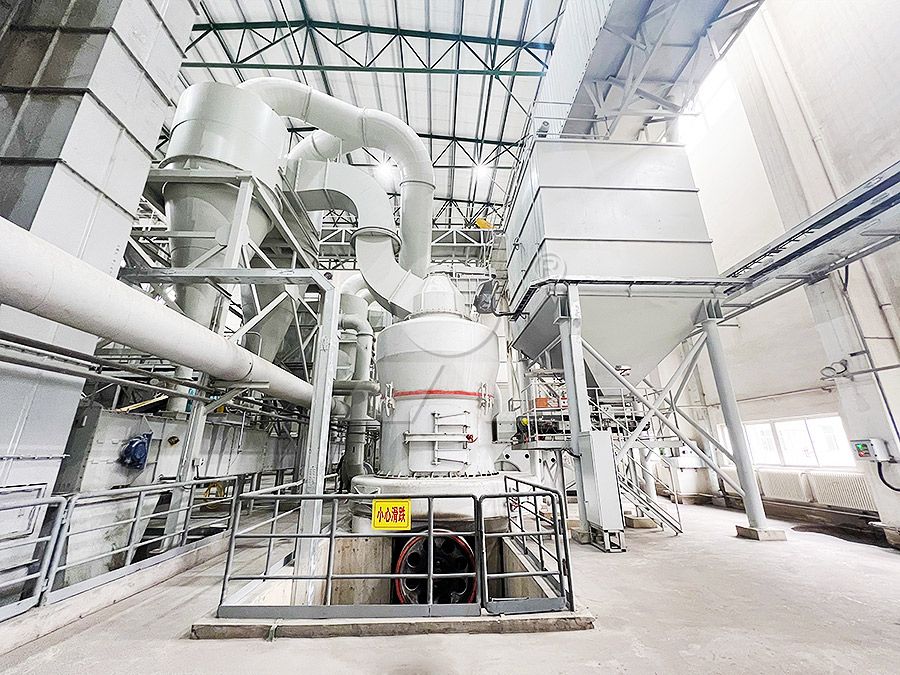
Operational efficiency isn’t just about throughput; it’s also about creating a stable, compliant, and worker-friendly environment. Excessive dust can recirculate into the mill, affecting performance, and poor noise control can lead to operational restrictions. Modern mills integrate high-efficiency pulse dust collectors and mufflers directly into their design. Our MW mill, for example, operates with no dust pollution and significantly reduced noise levels, ensuring full compliance with environmental standards and creating a smoother, less disruptive operation that avoids costly work stoppages.
5. Utilize Digital Controls for Precision Grinding
Finally, precision is key to efficiency. Modern grinding mills benefit immensely from digitalized processing and automated control systems. Numerically controlled machining of core parts ensures high precision and consistent performance. Operators can accurately control parameters like grinding pressure and rotational speed to perfectly match the material characteristics. This level of control minimizes energy waste and ensures every kilowatt-hour of electricity is used to its maximum potential, directly improving your bottom line.
Conclusion: Investing in the Right Technology
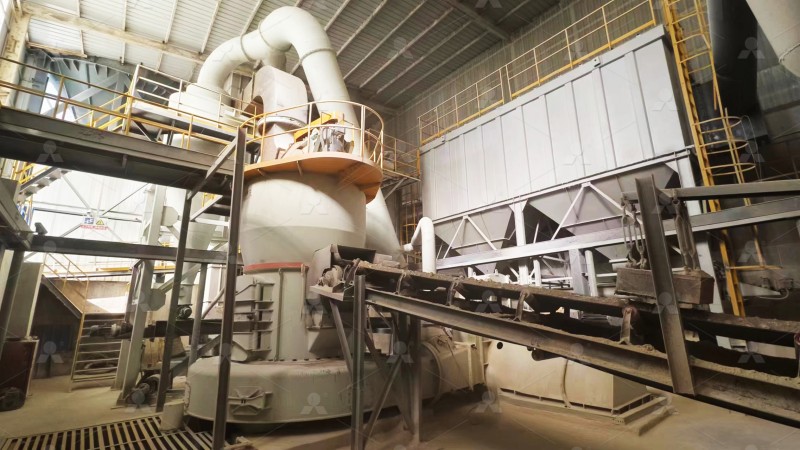
Improving limestone grinding efficiency is a multi-faceted challenge that requires a holistic approach, from feed preparation to final product collection. While operational best practices are crucial, the foundation of high efficiency is the grinding mill itself. Investing in advanced technology, such as our MW Ultrafine Grinding Mill (0.5-25 tph capacity), pays dividends through drastically lower energy consumption, higher yields, minimal maintenance downtime, and a cleaner, quieter operation. By addressing these five key areas, you can transform your grinding process into a model of efficiency and productivity.