
Optimizing the Production Process of Calcium Carbonate Powder for Enhanced Quality and Efficiency
We provide a wide range of mills — including Raymond mill, trapezoidal mill, vertical mill, ultrafine mill, and ball mill, obtained ISO9001 international quality certification, EU CE certification, and Customs Union CU-TR certification. Suitable for processing minerals such as limestone, phosphate, quicklime, kaolin, talc, barite, bentonite, calcium carbonate, dolomite, coal, gypsum, clay, carbon black, slag, cement raw materials, cement clinker, and more.
The discharge range of these mills can be adjusted to meet specific processing needs, typically from 80-400 mesh, 600-3250 mesh, and can achieve the finest particle size of up to 6000 mesh(D50).
If you are looking for a reliable grinding solution to turn stone or minerals into fine powder, please feel free to contact our online customer service.
Optimizing the Production Process of Calcium Carbonate Powder for Enhanced Quality and Efficiency
In the competitive world of industrial minerals, the production of high-quality calcium carbonate powder is a delicate balance between precision, efficiency, and cost-effectiveness. The journey from raw limestone to a finely tuned powder used in everything from plastics and paints to pharmaceuticals and food additives is complex. For operations managers and plant engineers, the choice of grinding technology is the single most critical factor determining the success of this process. It dictates not only the final product quality but also operational expenses, environmental compliance, and overall profitability.
The Core Challenge: Achieving Ultra-Fine Consistency at Scale
The primary hurdle in calcium carbonate processing is achieving a consistent, ultra-fine particle size (often targeting 325 to 2500 meshes) without incurring exorbitant energy costs or excessive maintenance downtime. Traditional ball mills, while reliable, are notoriously energy-inefficient and can lead to product contamination from mechanical wear. The market demands a solution that delivers superior fineness control with a lower operational footprint.
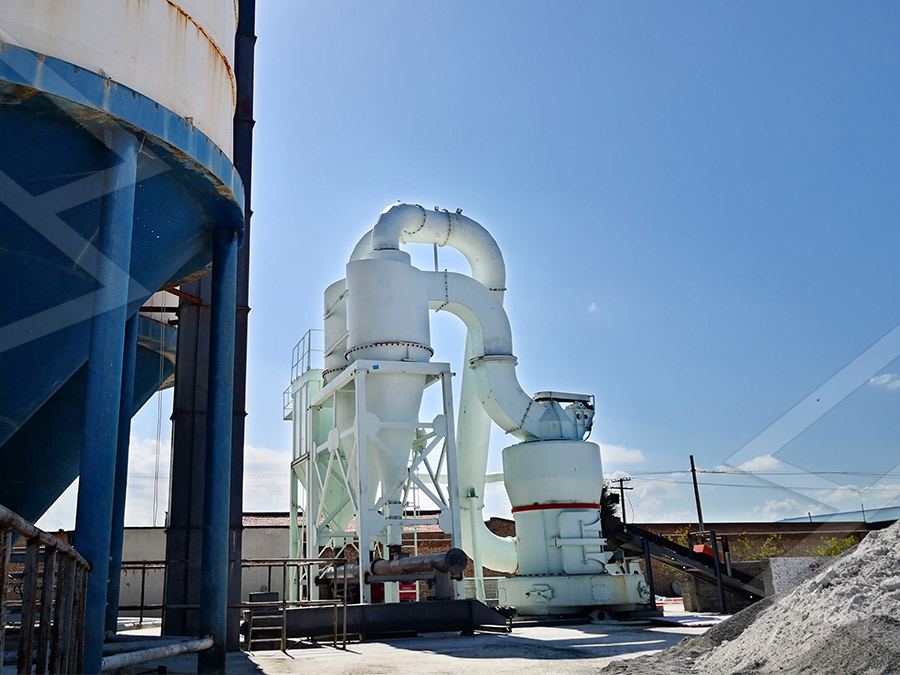
This is where advanced pulverizing technology makes all the difference. Modern mills are engineered to tackle these challenges head-on, incorporating features like efficient classification systems, wear-resistant materials, and intelligent automation to optimize the entire grinding circuit.
Introducing a Game-Changer: The MW Ultrafine Grinding Mill
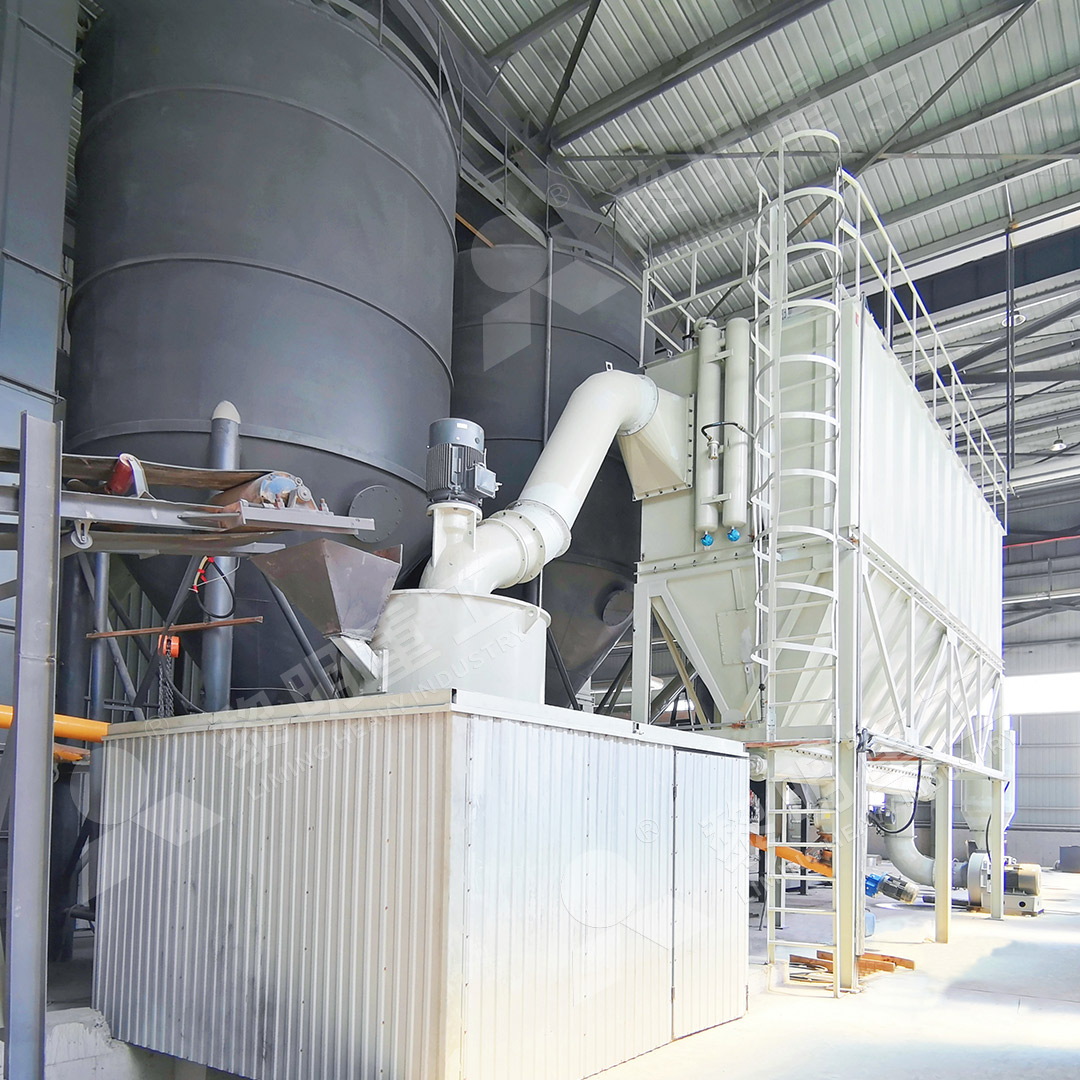
For operations seeking a significant leap in performance, we highly recommend evaluating our MW Ultrafine Grinding Mill. This machine is specifically engineered for customers who need to make ultra-fine powder with exceptional efficiency. Let’s break down why it’s a superior choice for high-grade calcium carbonate production:
- Higher Yielding, Lower Energy Consumption: Its newly designed grinding curves enhance efficiency dramatically. With the same fineness and power, its production capacity is 40% higher than jet mills and double that of ball mills, while slashing system energy consumption to just 30% of a jet mill’s usage.
- Precision Fineness Adjustment (325-2500 meshes): Its German-technology, cage-type powder selector ensures remarkable precision in powder separation. You can achieve a screening rate of d97≤5μm in a single pass, providing unparalleled control over your product’s specifications.
- Unmatched Reliability: A key design innovation is the absence of rolling bearings and screws in the grinding chamber. This eliminates the most common failure points, preventing machine damage from loose screws or bearing seal failures, and allows for external lubrication without shutdowns.
- Eco-Friendly Operation: Equipped with an efficient pulse dust collector and silencer, the MW mill operates cleanly and quietly, ensuring your production meets stringent national environmental protection standards without extra investment in auxiliary equipment.
Beyond Grinding: A Holistic Approach to Process Optimization
While selecting the right mill is paramount, true optimization extends to the entire process flow—from feed size consistency to material handling and packaging. Ensuring a consistent input size of 0-20 mm, as handled by the MW Mill, is crucial for stable operation and maximizing throughput. Furthermore, integrating the grinding process with automated packaging systems can reduce labor costs and minimize product exposure to ambient moisture.
For larger scale operations requiring integrated crushing and grinding of slightly bigger feed stock (0-70mm), our LM Vertical Grinding Mill presents another excellent option. It integrates crushing, drying, grinding, classifying, and conveying into a single, compact unit, reducing the overall footprint by 50% and energy consumption by 30%-40% compared to ball mill systems. Its short grinding time also minimizes repeated grinding, ensuring a low iron content that is critical for high-whiteness products.
Conclusion: Investing in Precision for Long-Term Gains
Optimizing your calcium carbonate production isn’t just about buying a new machine; it’s about investing in a technology partnership that guarantees enhanced product quality, reduced operating costs, and sustainable, eco-friendly operation. The MW Ultrafine Grinding Mill, with its robust design, exceptional efficiency, and precision engineering, is more than just equipment—it’s a strategic asset for any serious player in the calcium carbonate industry.
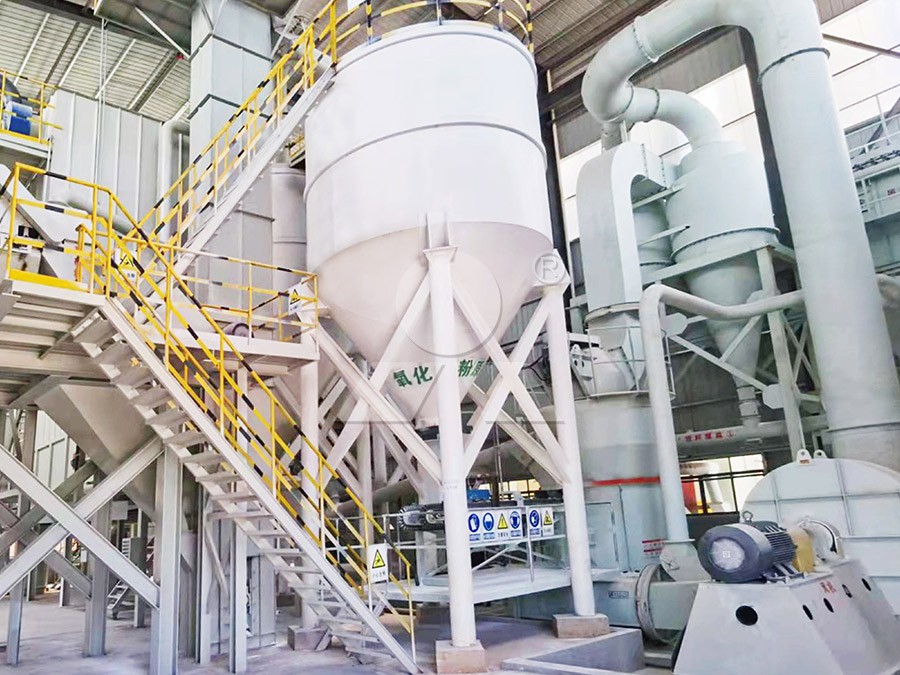
By focusing on these advanced technological solutions, producers can not only meet but exceed the evolving demands of the market, ensuring a reputation for quality and a strong competitive edge for years to come.