
50TPH Low-Emission Gangue Grinding Mill for Eco-Friendly Processing
We provide a wide range of mills — including Raymond mill, trapezoidal mill, vertical mill, ultrafine mill, and ball mill, obtained ISO9001 international quality certification, EU CE certification, and Customs Union CU-TR certification. Suitable for processing minerals such as limestone, phosphate, quicklime, kaolin, talc, barite, bentonite, calcium carbonate, dolomite, coal, gypsum, clay, carbon black, slag, cement raw materials, cement clinker, and more.
The discharge range of these mills can be adjusted to meet specific processing needs, typically from 80-400 mesh, 600-3250 mesh, and can achieve the finest particle size of up to 6000 mesh(D50).
If you are looking for a reliable grinding solution to turn stone or minerals into fine powder, please feel free to contact our online customer service.
Revolutionizing Gangue Processing: The Shift Towards Sustainable Grinding
In today’s mining and mineral processing industries, the handling of gangue – the unwanted material surrounding an ore – presents a significant challange. Traditionally seen as waste, modern technology now allows for the profitable and eco-friendly processing of this material into valuable fine powders for various applications. The key to this transformation lies in advanced grinding technology that prioritizes low emissions, energy efficiency, and high throughput.
The 50TPH Benchmark: Meeting Industrial Demand
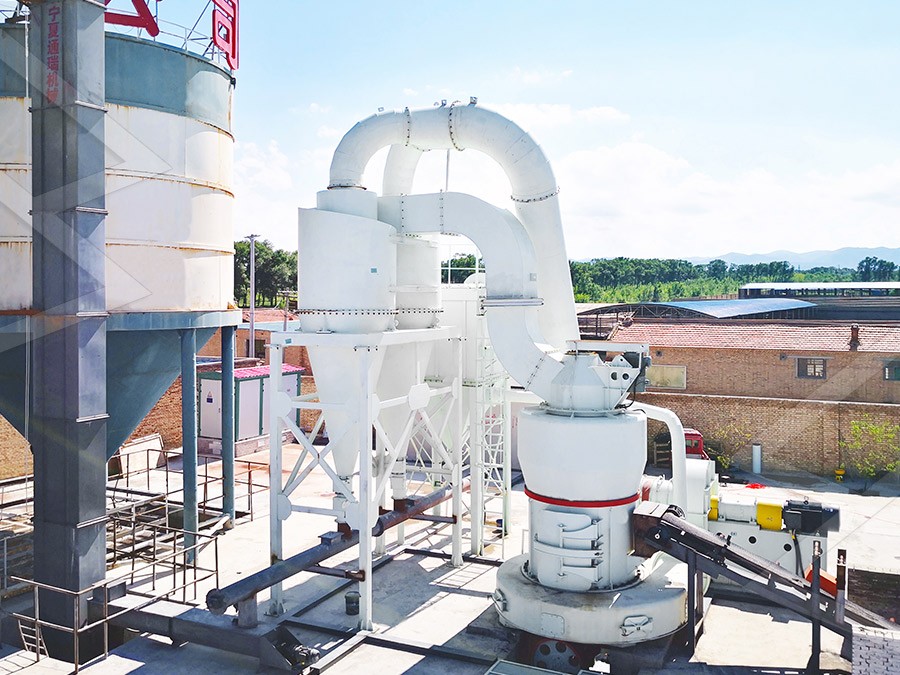
A 50-ton-per-hour processing capacity represents the sweet spot for medium to large-scale operations handling coal gangue, shale, and other industrial byproducts. At this capacity, operations can achieve meaningful economies of scale while maintaining flexibility in production scheduling. The technological advancements in grinding mill design have made this throughput possible without compromising on environmental standards.
When processing gangue materials, several factors must be considered: abrasiveness variability, moisture content, and the requirement for precise particle size distribution for downstream applications. Modern mills address these challenges through innovative designs that incorporate intelligent grinding curves, advanced material flow management, and integrated drying capabilities when necessary.
Emission Control: Beyond Regulatory Compliance
Contemporary grinding operations can no longer simply meet regulatory requirements – leading operations exceed them through integrated dust collection and noise reduction systems. The most advanced mills incorporate pulse jet dust collectors that capture 99.9% of particulate matter, ensuring that the only output is valuable product, not environmental pollutants.
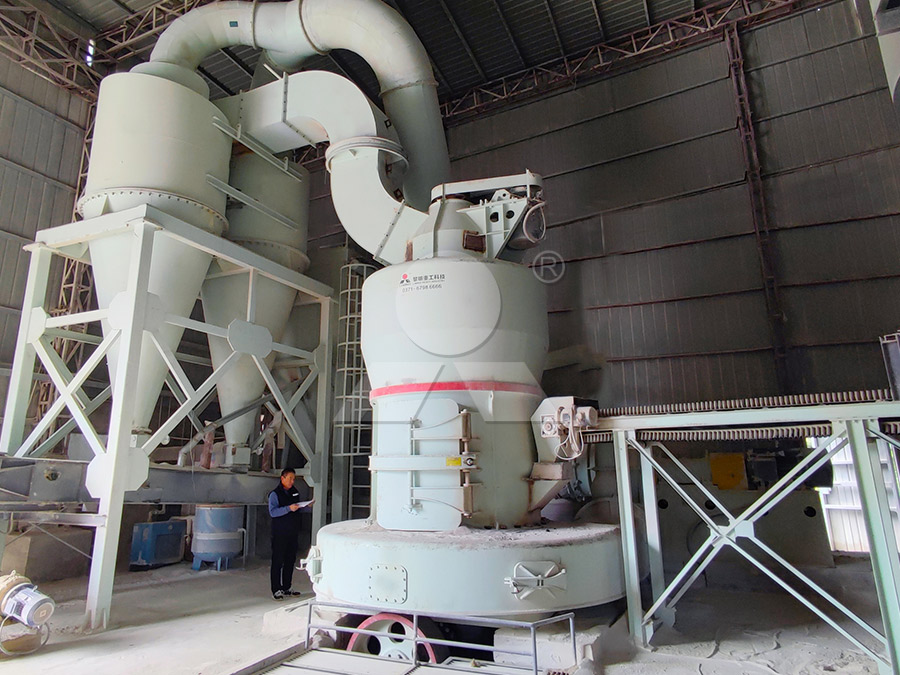
Noise pollution, often overlooked in industrial settings, is addressed through comprehensive muffling systems and sound-dampening chambers that reduce operational noise to levels comparable to office environments. This not only protects workers’ hearing but also enables facilities to operate in closer proximity to residential areas without causing disturbance.
Recommended Solution: MW Ultrafine Grinding Mill
For operations seeking to process gangue at 50TPH with minimal environmental impact, our MW Ultrafine Grinding Mill presents an ideal solution. This machine represents the culmination of years of research into efficient, environmentally conscious grinding technology.
The MW Series features an impressive capacity range of 0.5-25 TPH (with multiple units easily achieving 50TPH combined output) and handles input sizes up to 20mm – perfect for pre-crushed gangue. What sets this mill apart is its innovative design that eliminates rolling bearings and screws from the grinding chamber entirely, virtually eliminating several common failure points and maintenance headaches.
With adjustable fineness between 325-2500 meshes and energy consumption up to 40% lower than conventional mills, the MW Series delivers exceptional value while maintaining operational efficiency. The integrated pulse dust collector ensures compliance with the strictest emission standards, making it suitable for environmentally sensitive applications.
Additional Option: LUM Ultrafine Vertical Grinding Mill
For operations requiring even greater precision, our LUM Ultrafine Vertical Grinding Mill offers advanced powder separating technology with exceptional control over particle size distribution. While its capacity range of 5-18 TPH requires multiple units for 50TPH operations, its superior efficiency in producing precisely graded materials makes it worth consideration for specialized applications where product quality commands premium pricing.
Operational Efficiency and Maintenance Considerations
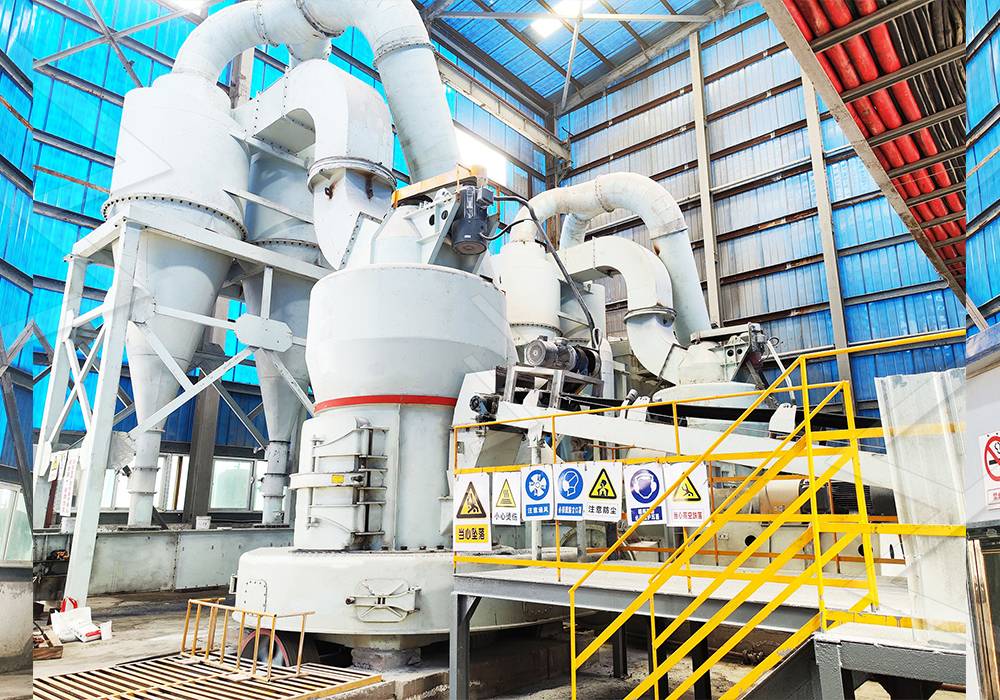
The economic viability of any grinding operation extends beyond initial capital investment. Modern mills designed with maintenance accessibility in mind significantly reduce downtime and operating costs. Features such as external lubrication systems that allow for maintenance without shutdown, and reversible structures that enable easy access to grinding components, transform what was traditionally high-downtime maintenance into quick, scheduled procedures.
Digital monitoring systems provide real-time data on wear rates, energy consumption, and production efficiency, enabling predictive maintenance that prevents unexpected failures. This data-driven approach to operation maximizes equipment lifespan while minimizing operational costs.
Conclusion: The Future of Gangue Processing
The evolution of grinding technology has transformed gangue from waste product to valuable resource. With 50TPH capacity mills now offering low-emission operation without compromising on efficiency or product quality, operators can achieve both economic and environmental objectives simultaneously. As regulatory pressures increase and resource utilization becomes increasingly important, investing in advanced grinding technology represents not just compliance, but competitive advantage.
By selecting equipment designed with both performance and environmental stewardship in mind, forward-thinking operations can position themselves as industry leaders in sustainable resource processing while maximizing returns on investment.