
Case Study: Optimizing Power Plant Efficiency with a 300 Medium-Speed Coal Mill
We provide a wide range of mills — including Raymond mill, trapezoidal mill, vertical mill, ultrafine mill, and ball mill, obtained ISO9001 international quality certification, EU CE certification, and Customs Union CU-TR certification. Suitable for processing minerals such as limestone, phosphate, quicklime, kaolin, talc, barite, bentonite, calcium carbonate, dolomite, coal, gypsum, clay, carbon black, slag, cement raw materials, cement clinker, and more.
The discharge range of these mills can be adjusted to meet specific processing needs, typically from 80-400 mesh, 600-3250 mesh, and can achieve the finest particle size of up to 6000 mesh(D50).
If you are looking for a reliable grinding solution to turn stone or minerals into fine powder, please feel free to contact our online customer service.
Case Study: Optimizing Power Plant Efficiency with a 300 Medium-Speed Coal Mill
In the relentless pursuit of operational excellence, power generation facilities are constantly scrutinizing their processes to identify areas for improvement. One of the most critical components in a coal-fired power plant is the pulverization system. The efficiency of the coal mill directly impacts combustion efficiency, emissions, and overall plant economics. This case study examines the challenges associated with a standard 300 medium-speed coal mill and explores a technological upgrade that significantly enhanced performance.
A common issue with traditional medium-speed mills is the balance between grind fineness, throughput, and energy consumption. Inefficient grinding leads to unburned carbon in fly ash, reducing boiler efficiency and increasing fuel costs. Furthermore, older mill designs often struggle with maintenance downtime, wear part replacement frequency, and environmental controls for dust and noise.
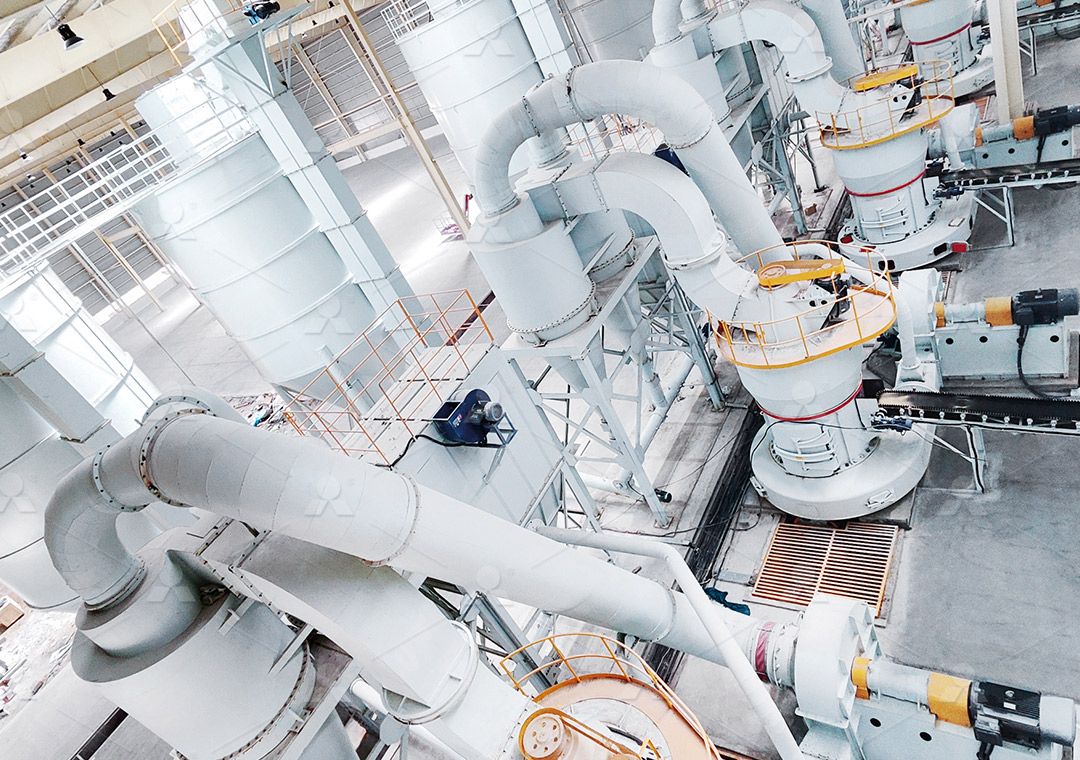
After a thorough analysis of our client’s needs, which included a required input size of 0-20mm and a target capacity of 22 tph, we identified our MW Ultrafine Grinding Mill as an ideal solution. This machine is specifically engineered for customers who need to make ultra-fine powder. Its design incorporates an efficient pulse dust collector and muffler, drastically reducing dust and noise pollution, ensuring the entire production process is environmentally compliant.
The results post-installation were immediatly noticeable. The MW Mill’s newly designed grinding curves of the roller and ring enhanced grinding efficiency remarkably. The client reported a production capacity increase of over 40% compared to their previous system, all while achieving a more consistent and finer product fineness adjustable between 325-2500 meshes. This superior fineness directly translated to more complete combustion in the boiler.
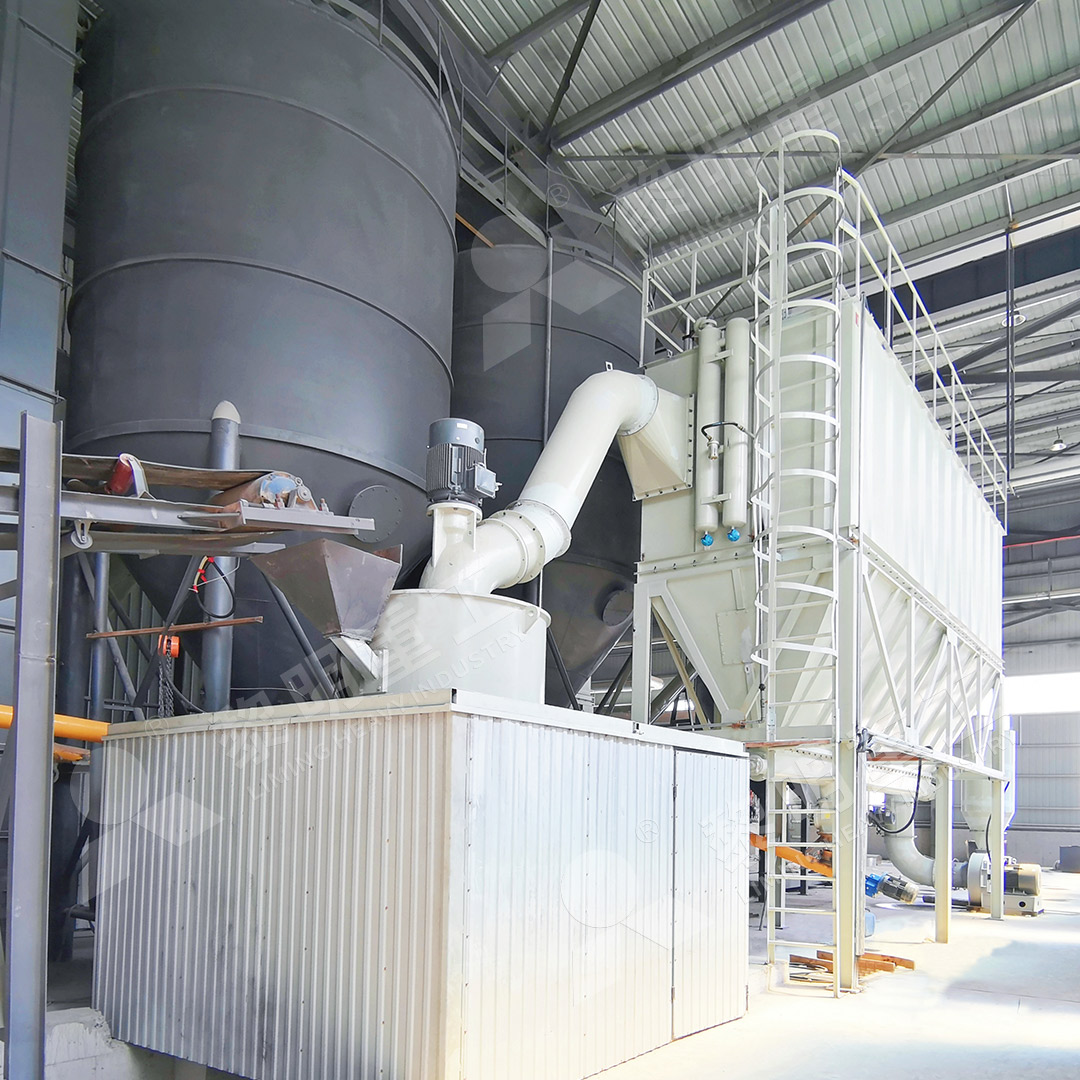
Perhaps the most significant gain was in energy savings. The system’s energy consumption was measured at only 30% of their previous jet milling system. A key feature that contributed to reduced downtime was the absence of rolling bearings and screws in the grinding chamber. This design eliminates worries about bearing damage or seal failures, and prevents machine damage from loose screws. The external lubricating device allows for lubrication without shutdown, supporting continuous 24/7 operation.
For plants requiring an even larger capacity or dealing with slightly different material characteristics, our LUM Ultrafine Vertical Grinding Mill presents another compelling option. It integrates ultrafine powder grinding, grading, and transporting with higher yielding rates and better product quality, thanks to its unique roller shell and lining plate grinding curve.
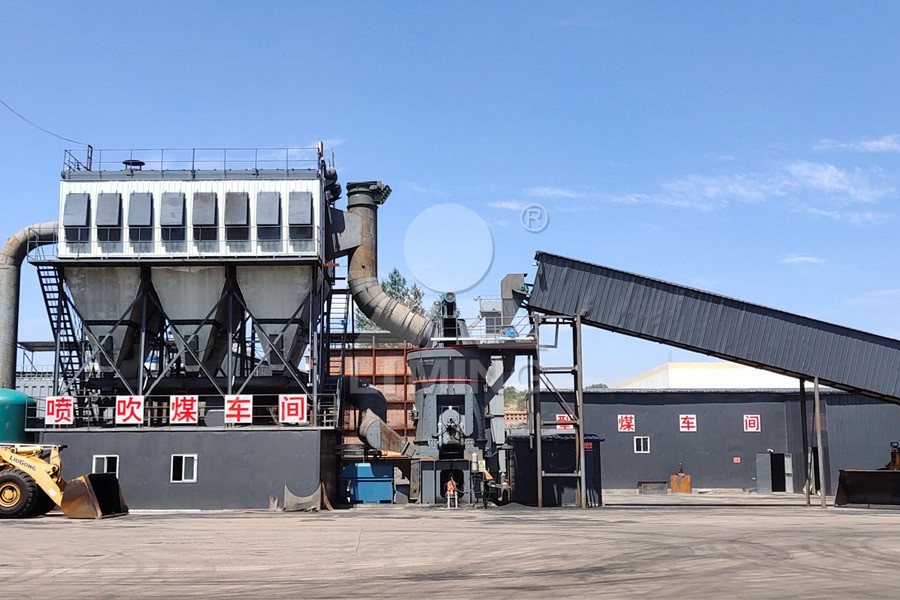
In conclusion, the upgrade to the advanced MW Ultrafine Grinding Mill proved to be a transformative investment for the power plant. It delivered a triple win: drastically lower operating costs through reduced energy and maintenance, improved environmental performance with its superior dust collection, and enhanced overall plant efficiency through superior coal fineness. This case underscores the importance of modern grinding technology in the sustainable and economic operation of thermal power generation.