
Calcium Carbonate Grinding Mill Equipment: Types, Selection, and Price Guide
We provide a wide range of mills — including Raymond mill, trapezoidal mill, vertical mill, ultrafine mill, and ball mill, obtained ISO9001 international quality certification, EU CE certification, and Customs Union CU-TR certification. Suitable for processing minerals such as limestone, phosphate, quicklime, kaolin, talc, barite, bentonite, calcium carbonate, dolomite, coal, gypsum, clay, carbon black, slag, cement raw materials, cement clinker, and more.
The discharge range of these mills can be adjusted to meet specific processing needs, typically from 80-400 mesh, 600-3250 mesh, and can achieve the finest particle size of up to 6000 mesh(D50).
If you are looking for a reliable grinding solution to turn stone or minerals into fine powder, please feel free to contact our online customer service.
Calcium Carbonate Grinding Mill Equipment: Types, Selection, and Price Guide
When it comes to processing calcium carbonate (CaCO3), selecting the right grinding mill is crucial for achieving the desired fineness, production capacity, and overall operational efficiency. The choice of equipment impacts not only the quality of the final product but also your bottom line through energy consumption and maintenance costs. This guide will walk you through the common types of mills used for calcium carbonate, key selection criteria, and factors influencing price, with a special focus on some of our high-performance solutions.
Common Types of Grinding Mills for Calcium Carbonate
The journey from raw limestone to fine calcium carbonate powder requires specialized machinery. Here’s an overview of the most common mill types:
- Raymond Mill (Roller Mill): A traditional and widely used option for coarse to medium fine powders (80-400 mesh). It’s known for its reliability and relatively lower investment cost. However, its fineness and energy efficiency can be limitations for high-end applications.
- Ball Mill: A classic workhorse that grinds material using steel balls. It’s versatile but often criticized for high energy consumption, noise, and potential for iron contamination, which is undesirable for high-purity calcium carbonate.
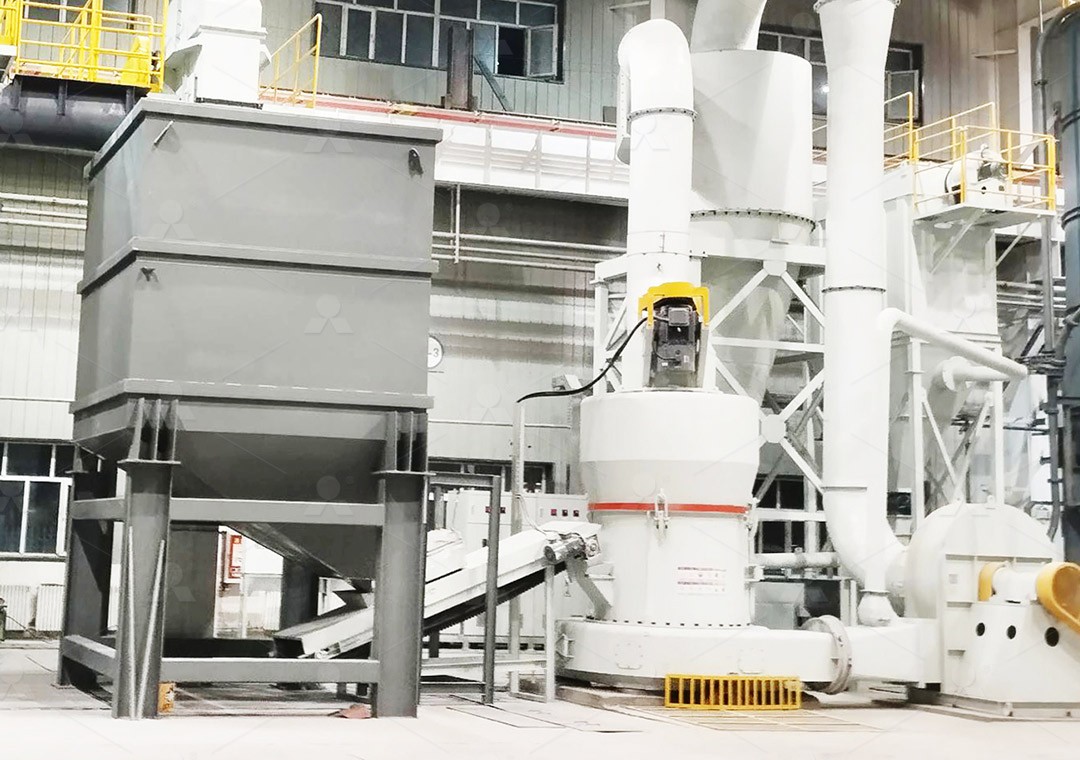
- Vertical Roller Mill (VRM): Technologies like our LM Vertical Grinding Mill have gained significant popularity. They integrate drying, grinding, classification, and conveying, offering excellent energy efficiency (30-40% less than ball mills), a smaller footprint, and lower iron content in the product. They are ideal for medium to large-scale production.
- European Type Trapezium Mill: An evolution of the Raymond mill, offering better efficiency, lower energy consumption, and more wear-resistant parts. Models like the MTW Series are suitable for producing powders between 80-400 mesh.
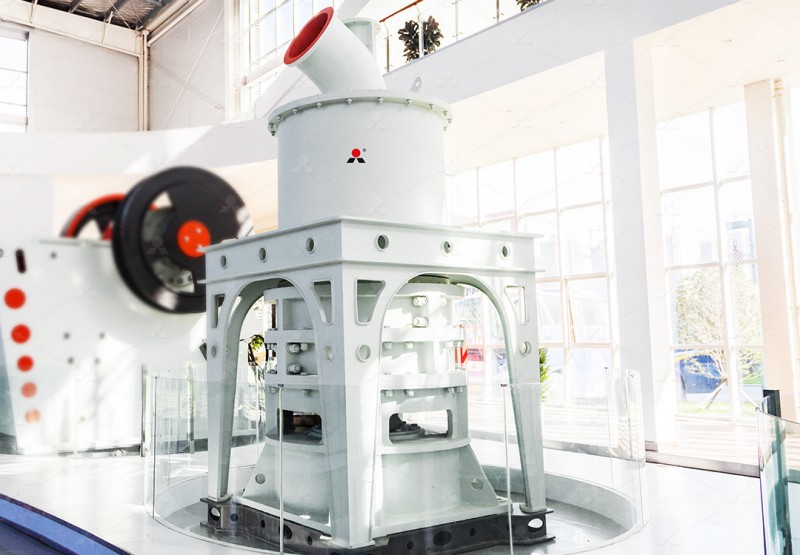
- Ultrafine Grinding Mill: This is where technology shines for producing high-value, superfine powders (325-2500 mesh). These mills are engineered for precision and high efficiency.
Key Factors for Selecting the Right Mill
Choosing the best mill isn’t just about picking a type; it’s about matching the machine to your specific needs. Consider these critical factors:
- Desired Fineness (Mesh Size): What is your target particle size? Raymond and Ball Mills handle coarser grinds, while Ultrafine Mills are essential for sub-10 micron products.
- Production Capacity (TPH): How much powder do you need to produce per hour? Ensure the mill’s capacity matches your project scale.
- Energy Consumption: This is a major operational cost. Vertical mills and modern ultrafine mills are designed specifically for lower energy use.
- System Layout & Footprint: Do you have space constraints? Vertical mills and integrated systems often have a significantly smaller footprint.
- Environmental Considerations: Modern mills come equipped with efficient pulse dust collectors and silencers to meet strict environmental standards, a must for any new installation.
- Automation & Maintenance: Consider how easy the machine is to operate and maintain. Features like external lubrication systems and reversible roller assemblies can drastically reduce downtime.
Spotlight on High-Performance Solutions: MW Series Ultrafine Mill
For customers focused on producing ultra-fine calcium carbonate powder with exceptional efficiency, our MW Series Ultrafine Grinding Mill stands out as a premier choice. It’s engineered for customers who need to make ultra-fine powder with higher yielding and lower energy consumption.
Here’s why the MW Mill is a top contender:
- Superior Fineness: Achieves adjustable fineness between 325-2500 meshes (d97 ≤ 5μm) thanks to its advanced German-derived cage-type powder selector.
- Higher Yield, Lower Energy Use: Its newly designed grinding curves enhance efficiency, offering 40% higher capacity than jet mills and double the yield of ball mills, while using only 30% of the energy of a jet mill.
- Enhanced Reliability: A key design advantage is the absence of rolling bearings and screws in the grinding chamber. This eliminates common failure points and concerns about loose screws causing damage, ensuring worry-free operation.
- Eco-Friendly Operation: The mill is equipped with an efficient pulse dust collector and muffler, ensuring no dust pollution and low noise during operation, fully complying with national environmental standards.
- Technical Specifications: With an input size of 0-20mm and a capacity range of 0.5-25 tph, it’s versatile for various production needs.
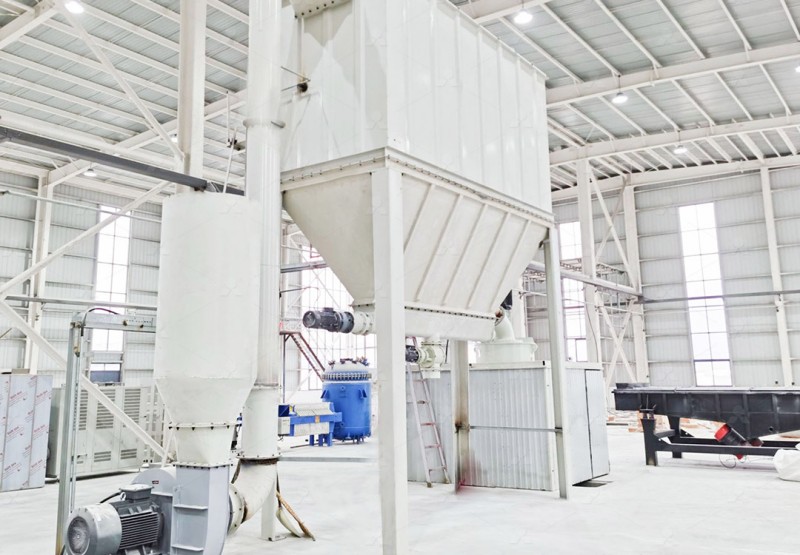
Another robust option for fine grinding needs is our LUM Ultrafine Vertical Grinding Mill. It combines ultrafine grinding, grading, and transporting into a single unit, boasting higher yielding rates and better product quality. Its unique roller shell design and multi-head powder separating technology make it more energy-saving by 30%-50% compared to common grinding mills. Features like double position-limiting technology ensure stable operation, and a reversible structure makes maintenance quicker and easier.
Understanding Price Factors
The price of a calcium carbonate grinding mill is not a single number. It’s influenced by:
- Mill Type and Technology: Ultrafine and vertical mills have a higher initial cost than Raymond mills but offer lower operating costs.
- Capacity and Size: Larger models for higher output will cost more.
- Degree of Automation: Fully automated, PLC-controlled systems command a premium.
- Material of Construction: Wear parts made from specialized, long-lasting alloys affect the price.
- Supplier and After-Sales Service: Choosing a reputable manufacturer like us (LIMING) ensures quality machinery, genuine spare parts, and reliable technical support, which adds value beyond the initial purchase.
Conclusion
Selecting the ideal calcium carbonate grinding mill is a strategic decision. By carefully evaluating your requirements for fineness, capacity, and operational costs, you can identify the best-fit equipment. For those seeking to produce high-value, ultra-fine powders with maximum efficiency and minimal environmental impact, advanced solutions like our MW Ultrafine Grinding Mill or LUM Vertical Mill represent investments in quality, reliability, and long-term profitability. We encourage you to contact our technical team to discuss your specific project and find the perfect grinding solution.