
Raymond Mill for Gangue Grinding Production Line Setup and Cost
We provide a wide range of mills — including Raymond mill, trapezoidal mill, vertical mill, ultrafine mill, and ball mill, obtained ISO9001 international quality certification, EU CE certification, and Customs Union CU-TR certification. Suitable for processing minerals such as limestone, phosphate, quicklime, kaolin, talc, barite, bentonite, calcium carbonate, dolomite, coal, gypsum, clay, carbon black, slag, cement raw materials, cement clinker, and more.
The discharge range of these mills can be adjusted to meet specific processing needs, typically from 80-400 mesh, 600-3250 mesh, and can achieve the finest particle size of up to 6000 mesh(D50).
If you are looking for a reliable grinding solution to turn stone or minerals into fine powder, please feel free to contact our online customer service.
Raymond Mill for Gangue Grinding: An Efficient Solution
Coal gangue, a solid waste discharged during coal mining and washing, poses significant environmental challenges. However, with proper processing, it can be transformed into valuable resources for construction materials, cement production, and more. Establishing an efficient gangue grinding production line requires careful consideration of equipment selection, setup, and operational costs. The Raymond Mill has long been a popular choice for such applications due to its reliability and cost-effectiveness.
Production Line Setup Considerations
A typical gangue grinding production line consists of several key components: crusher, elevator, storage hopper, vibrating feeder, grinding mill, classifier, pipeline device, dust collector, and electrical control system. The Raymond Mill serves as the heart of this operation, reducing gangue to the desired fineness for various applications.
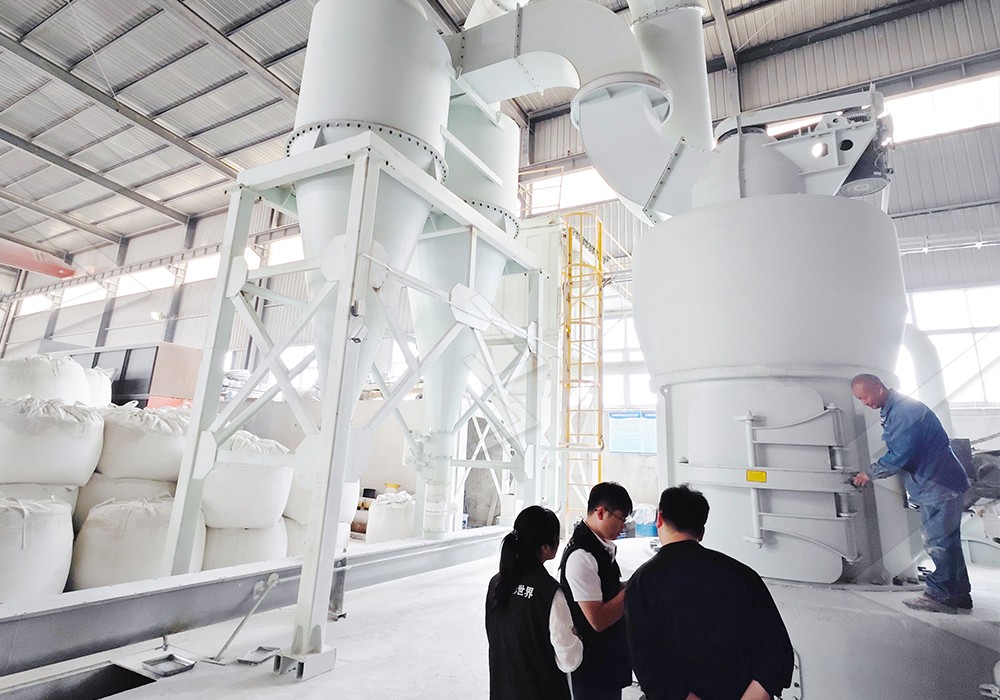
When setting up your production line, consider these critical factors:
- Raw Material Characteristics: Gangue hardness, moisture content, and input size significantly impact mill selection
- Capacity Requirements: Determine your target throughput (tph) to appropriately size equipment
- Final Product Specifications: Required fineness (mesh size) dictates mill configuration
- Site Conditions: Available space, power supply, and environmental regulations
- Budget Constraints: Initial investment versus long-term operational costs
Cost Analysis: Raymond Mill Operation
The traditional Raymond Mill offers advantages in gangue processing with relatively low investment costs and energy consumption. However, for operations requiring higher efficiency and finer products, we recommend considering our MW Ultrafine Grinding Mill as a superior alternative.
The MW series represents a significant advancement in grinding technology, specifically designed for customers who need to make ultra-fine powder from materials like gangue. With an input size of 0-20 mm and capacity ranging from 0.5-25 tph, it handles gangue processing efficiently while offering several distinct advantages over conventional Raymond Mills.
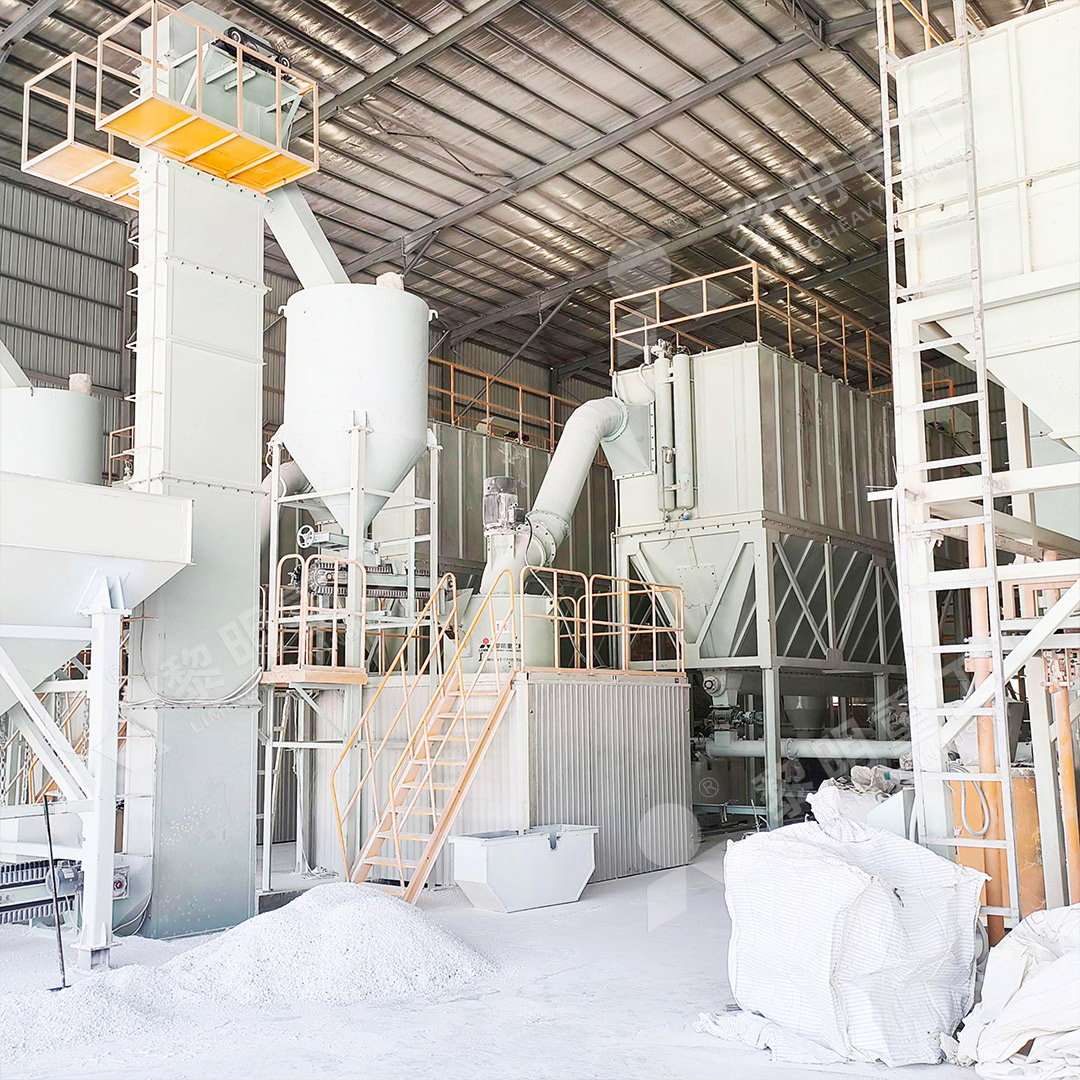
Why Choose MW Ultrafine Grinding Mill for Gangue?
Our MW Ultrafine Grinding Mill features higher yielding with lower energy consumption – production capacity is 40% higher than jet grinding mills with system energy consumption only 30% of comparable equipment. The adjustable fineness between 325-2500 meshes allows precise control over final product specifications, crucial for gangue utilization in different applications.
The innovative design eliminates rolling bearings and screws in the grinding chamber, preventing common failure points and enabling continuous 24h operation. For gangue processing, where abrasive materials can accelerate wear, this design significantly reduces maintenance requirements and downtime.
Environmental compliance is easily achieved with the integrated pulse dust collector that eliminates dust pollution during operation. The noise reduction features including silencer and noise elimination room make the MW series particularly suitable for operations near residential areas.
Cost Comparison and Return on Investment
While the initial investment in an MW Ultrafine Grinding Mill may be higher than a basic Raymond Mill, the operational savings quickly justify the premium. The 30-40% energy savings, reduced maintenance costs, and higher production output typically result in a return on investment within 12-18 months for most gangue processing operations.
Additionally, for operations requiring even higher capacity or dealing with different material characteristics, our LUM Ultrafine Vertical Grinding Mill presents another excellent option. With input size of 0-10 mm and capacity of 5-18 tph, it features more energy-saving multi-head powder separating technology and double position-limiting technology for stable operation.
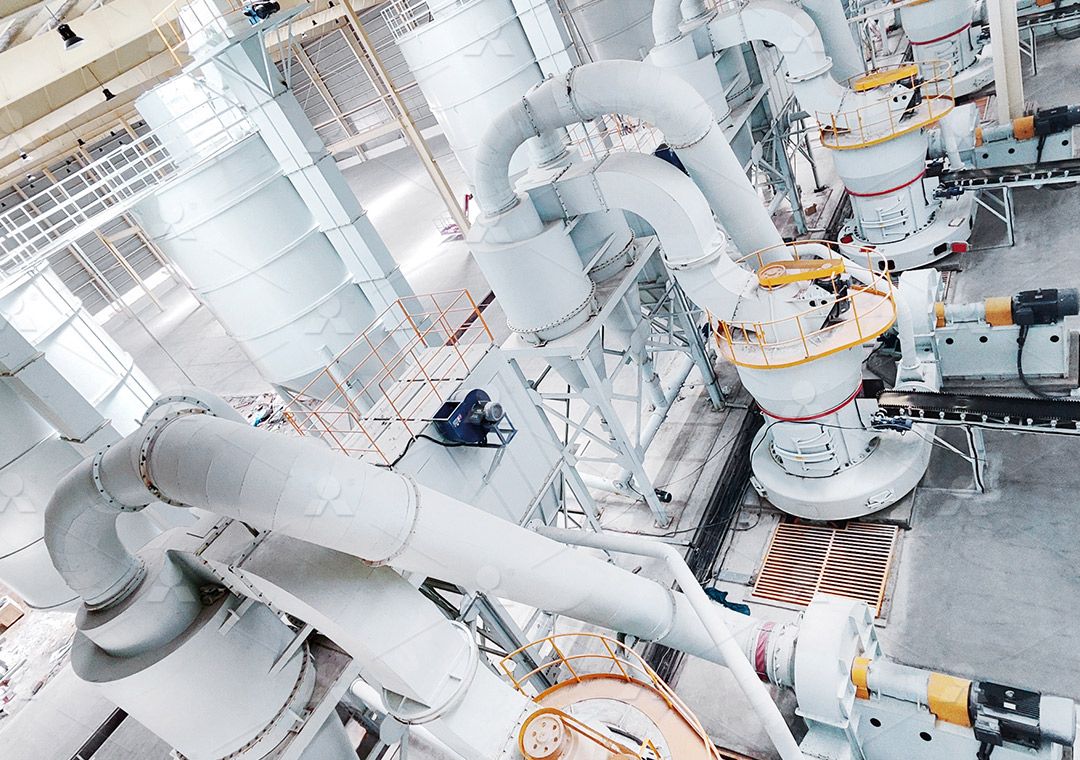
Implementation Strategy
When implementing your gangue grinding production line, consider a phased approach:
- Conduct thorough material testing to determine optimal grinding parameters
- Start with baseline operation using standard configurations
- Optimize settings based on actual production data
- Implement regular maintenance schedule to maximize equipment lifespan
- Continuously monitor operational costs and product quality
Proper setup and equipment selection, particularly choosing between traditional Raymond Mills and advanced alternatives like our MW series, will determine the long-term profitability of your gangue processing operation. The right grinding solution not only improves efficiency but also enhances the value of your final product in various industrial applications.