
Price of 12 Ton Per Hour Ball Mill – Cost & Specifications Guide
We provide a wide range of mills — including Raymond mill, trapezoidal mill, vertical mill, ultrafine mill, and ball mill, obtained ISO9001 international quality certification, EU CE certification, and Customs Union CU-TR certification. Suitable for processing minerals such as limestone, phosphate, quicklime, kaolin, talc, barite, bentonite, calcium carbonate, dolomite, coal, gypsum, clay, carbon black, slag, cement raw materials, cement clinker, and more.
The discharge range of these mills can be adjusted to meet specific processing needs, typically from 80-400 mesh, 600-3250 mesh, and can achieve the finest particle size of up to 6000 mesh(D50).
If you are looking for a reliable grinding solution to turn stone or minerals into fine powder, please feel free to contact our online customer service.
Navigating the Cost of a 12 TPH Ball Mill: A Practical Guide
So, you’re in the market for a 12 ton-per-hour ball mill? You’ve come to the right place. As a cornerstone of grinding operations in mining, construction, and chemical industries, selecting the right ball mill is crucial for your project’s profitability. Let’s break down what you can expect in terms of investment, performance, and smarter alternatives that might just save you a bundle.
Understanding the Ball Mill Investment
A traditional 12 TPH ball mill is a significant capital expenditure. The price isn’t just a single number; it’s a combination of the machine itself, auxiliary equipment like feeders and classifiers, installation, and foundation costs. For a unit of this capacity, you’re likely looking at a base machine cost ranging from $150,000 to $400,000+, heavily dependent on material of construction (e.g., standard manganese steel vs. high-chrome alloys), motor power, and level of automation.
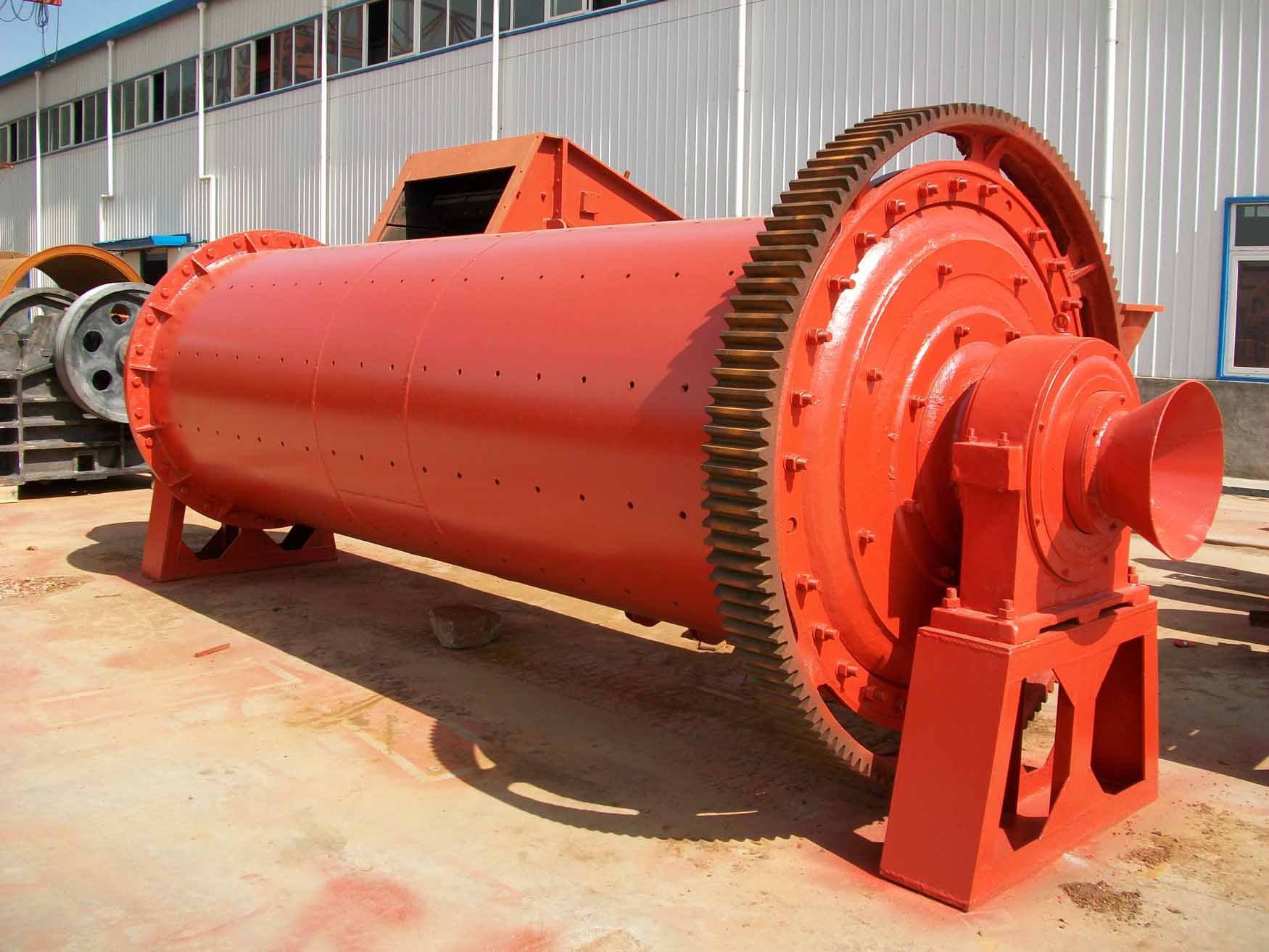
But the real cost of ownership goes far beyond the initial purchase. Operational costs are where the math gets interesting. Ball mills are notorious for their high energy consumption. Grinding media (the balls themselves) and liner wear represent continuous consumable costs. Maintenance, involving regular checks of gears, pinions, and bearings, adds to the operational overhead. For a 12 TPH unit, the power draw could easily be in the range of 500-800 kW, making electricity a dominant ongoing expense.
Key Specifications for a 12 TPH Ball Mill
- Capacity: 12 metric tons per hour (output can vary based on material hardness and desired fineness).
- Input Size: Typically < 25mm for efficient operation.
- Drive System: Girth gear & pinion or central drive, with a main motor often between 500-800 kW.
- Shell Dimensions: A mill of this capacity would have a substantial diameter and length, often several meters long.
- Grinding Media: Can handle a significant load of steel or ceramic balls.
Beyond the Ball Mill: A Modern, Efficient Alternative
While the ball mill is a proven workhorse, technological advancements have introduced options that offer superior efficiency and lower total cost of ownership. If your operation involves producing fine powders, you might be spending more than you need to.
For operations focused on ultra-fine powder production (between 325-2500 meshes), our MW Ultrafine Grinding Mill presents a compelling alternative. It’s engineered for customers who need to make ultra-fine powder efficiently. Here’s why it’s worth considering:
- Higher Yielding, Lower Energy Consumption: With the same fineness and power, its production capacity is 40% higher than jet mills and twice as large as ball mills, while system energy consumption is only 30% of a jet mill. This translates directly to lower cost per ton.
- Eco-Friendly Operation: It comes equipped with an efficient pulse dust collector and muffler, drastically reducing dust and noise. The entire production process is designed to meet national environmental protection standards.
- Worry-Free Maintenance: A key design advantage is there are no rolling bearings or screws in the grinding chamber. This eliminates common failure points and machine damage from loose screws. Lubrication can be done externally without shutdown.

Input Size: 0-20 mm | Capacity: 0.5-25 tph | Applications: Ideal for limestone, calcite, dolomite, gypsum, barite, talc, and chemicals for paint, cosmetics, and food additive industries.
Another Powerful Option: The LUM Ultrafine Vertical Grinding Mill
For another highly efficient vertical solution, consider our LUM Ultrafine Vertical Grinding Mill. It integrates grinding, grading, and transporting, offering exceptional precision and energy savings of 30%-50% compared to conventional mills. Its unique reversible structure makes maintenance on heavy grinding rollers surprisingly straightforward, minimizing costly downtime.
Input Size: 0-10 mm | Capacity: 5-18 tph
Making the Right Choice for Your Business
Choosing between a traditional ball mill and a modern ultrafine grinding system boils down to your specific needs. If your primary goal is processing materials to a medium fineness and you have established infrastructure, a ball mill is a reliable choice. However, if you are targeting higher-value ultra-fine powders, prioritizing lower energy bills, reducing maintenance headaches, and meeting strict environmental standards, then advanced solutions like the MW or LUM series mills are undoubtedly worth a deep dive. The higher initial investment is often quickly offset by dramatically lower operating costs.
Always consult with our engineering team for a detailed analysis based on your material properties and production goals. We can help you calculate the true cost per ton to make the most economical decision for your operation.