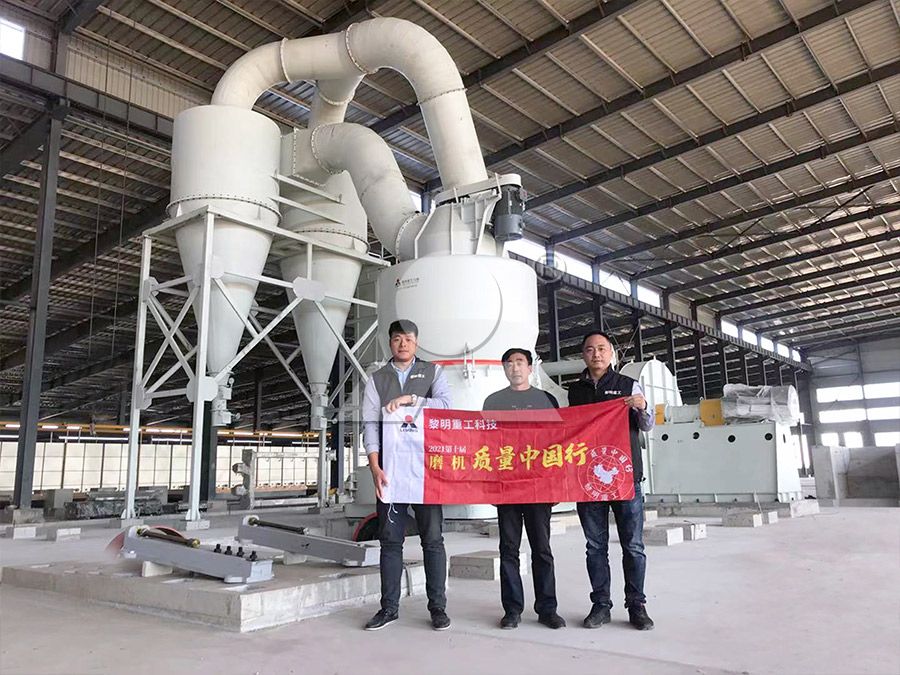
Raymond Mill Coal Grinding: How to Measure and Control Lube Oil Temperature
We provide a wide range of mills — including Raymond mill, trapezoidal mill, vertical mill, ultrafine mill, and ball mill, obtained ISO9001 international quality certification, EU CE certification, and Customs Union CU-TR certification. Suitable for processing minerals such as limestone, phosphate, quicklime, kaolin, talc, barite, bentonite, calcium carbonate, dolomite, coal, gypsum, clay, carbon black, slag, cement raw materials, cement clinker, and more.
The discharge range of these mills can be adjusted to meet specific processing needs, typically from 80-400 mesh, 600-3250 mesh, and can achieve the finest particle size of up to 6000 mesh(D50).
If you are looking for a reliable grinding solution to turn stone or minerals into fine powder, please feel free to contact our online customer service.
Raymond Mill Coal Grinding: How to Measure and Control Lube Oil Temperature
In the world of industrial grinding, particularly in coal processing, maintaining optimal operating conditions is paramount. One critical aspect often overlooked is the monitoring and control of lubricating oil temperature in Raymond Mills and other grinding equipment. Proper lube oil temperature management isn’t just a maintenance checkbox; it’s a crucial factor that directly impacts bearing life, grinding efficiency, operational costs, and ultimately, your bottom line.
Why Lube Oil Temperature Matters in Coal Grinding
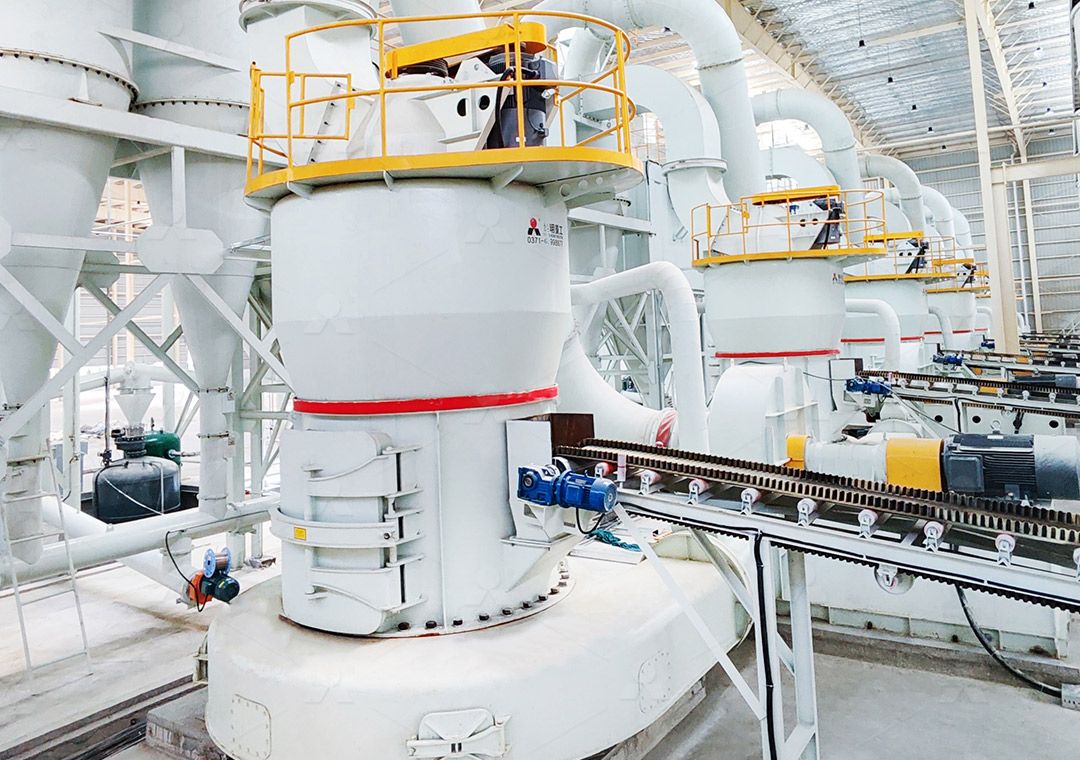
Coal grinding is a demanding process that generates significant heat through friction and mechanical action. The lubricating oil in the gearbox and bearing assemblies acts as a coolant and a wear protector. When oil temperature strays outside its ideal range (typically between 40°C and 50°C for many mineral-based oils), problems arise. Oil that’s too cold increases viscosity, leading to poor circulation and increased energy consumption. Oil that’s too hot thins out, losing its protective film strength and leading to accelerated wear, oxidation, and potentially catastrophic bearing failure. For a Raymond Mill grinding abrasive coal, this is a constant threat that can cause unplanned downtime and expensive repairs.
Best Practices for Measurement and Control
Accurate measurement is the first step. Don’t rely on guesswork. Install reliable resistance temperature detectors (RTDs) or thermocouples directly in the oil reservoir or return line. For critical applications, consider dual sensors for redundancy. Data from these sensors should be fed into a central control system for continuous monitoring and historical trending.
Control is the next step. Simple fan-cooled heat exchangers are often sufficient for smaller operations. For larger, continuous-run mills like those processing coal for power plants, a more robust system is needed. A shell and tube or plate-type heat exchanger, integrated with a temperature control valve, provides precise regulation. The control loop should automatically adjust coolant flow to maintain the oil within a tight temperature band. Remember, stability is key—avoid large temperature swings.
Choosing the Right Equipment for Efficient and Stable Operation
While maintaining your existing Raymond Mill is essential, upgrading to more modern and efficient technology can inherently solve many temperature-related issues. Newer mill designs often feature more advanced lubrication systems with better heat dissipation and integrated cooling.
For operations focused on ultra-fine coal powder, such as those for petroleum coal or pulverized coal injection (PCI), the MW Ultrafine Grinding Mill presents a superior alternative. This machine is engineered for high efficiency and lower energy consumption, producing 40% higher capacity than jet mills with the same power. A key feature relevant to our discussion is its external lubricating device. This design allows for lubrication without shutdown and simplifies the cooling process, making precise oil temperature management far easier and contributing to true 24/7 continuous operation. Furthermore, the absence of rolling bearings and screws in the grinding chamber itself eliminates major internal heat sources and potential failure points related to lubrication.
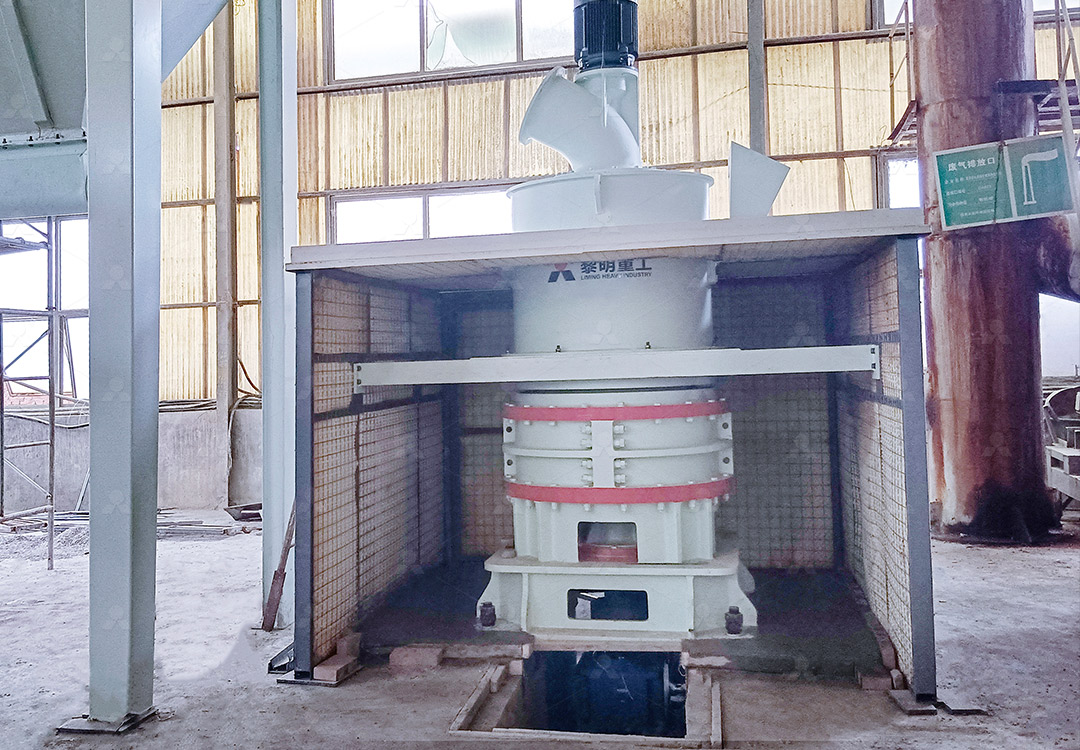
For operations requiring vertical grinding solutions, the LUM Ultrafine Vertical Grinding Mill is another excellent option. It incorporates the latest grinding roller technology and features a double position-limiting technology that prevents destructive impacts from machine vibration. This stability contributes to a more consistent operational load, reducing thermal stress on the entire system, including the lubrication system. Its reversible structure also allows for easier maintenance access to key components.
Conclusion
Vigilant monitoring and precise control of lube oil temperature is a non-negotiable practice for reliable Raymond Mill operation in coal grinding. By implementing robust measurement systems and effective cooling strategies, you can extend bearing life, reduce maintenance costs, and ensure consistent product quality. For the utmost reliability and efficiency, consider modern grinding solutions like the MW or LUM mills, which are designed from the ground up to mitigate thermal challenges and promote stable, worry-free operation.