
How Much Does a Limestone Grinding Machine Cost? A Detailed Price Guide
We provide a wide range of mills — including Raymond mill, trapezoidal mill, vertical mill, ultrafine mill, and ball mill, obtained ISO9001 international quality certification, EU CE certification, and Customs Union CU-TR certification. Suitable for processing minerals such as limestone, phosphate, quicklime, kaolin, talc, barite, bentonite, calcium carbonate, dolomite, coal, gypsum, clay, carbon black, slag, cement raw materials, cement clinker, and more.
The discharge range of these mills can be adjusted to meet specific processing needs, typically from 80-400 mesh, 600-3250 mesh, and can achieve the finest particle size of up to 6000 mesh(D50).
If you are looking for a reliable grinding solution to turn stone or minerals into fine powder, please feel free to contact our online customer service.
How Much Does a Limestone Grinding Machine Cost? A Detailed Price Guide
So, you’re in the market for a limestone grinding machine, and the first question that pops into your head is inevitably: “How much is this gonna set me back?” It’s a fair question, but the answer isn’t as straightforward as you might hope. The cost of a limestone grinder can vary wildly, from a few tens of thousands of dollars for a basic Raymond mill to several hundred thousand for a large, high-capacity, ultra-fine grinding system. Let’s break down the factors that influence the price tag.
Key Factors That Influence The Cost
Several critical elements will determine your final investment:
- Capacity (tph): How many tons per hour do you need to process? A machine rated for 2 tph will be significantly cheaper than one rated for 50 tph.
- Fineness (mesh): Do you need coarse agricultural lime or ultra-fine powder for paper or paint? Achieving a finer product requires more sophisticated (and expensive) technology like advanced powder separators.
- Technology & Features: Basic models get the job done. Advanced models offer energy savings, automated controls, superior dust collection, and easier maintenance, which all add to the initial cost but save money in the long run.
- System Components: Are you buying just the mill, or do you need a complete system with feeders, elevators, crushers, and dust collectors? A full system integration costs more but ensures optimal performance.
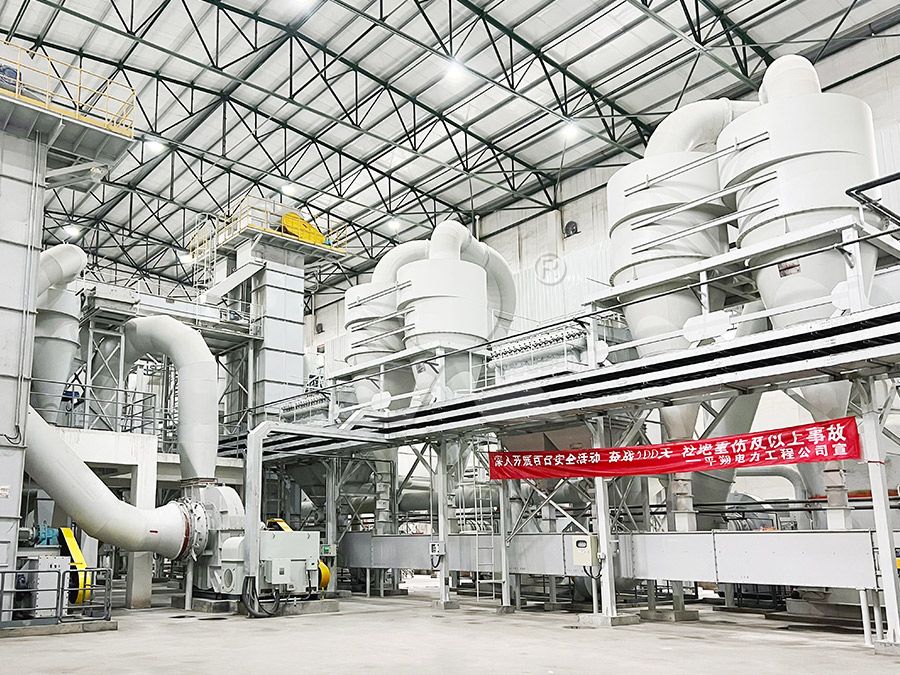
Ballpark Price Ranges for Different Mill Types
Here’s a rough, unofficial guide to give you an idea. Remember, these are estimates and actual quotes can vary based on configuration and manufacturer.
- Raymond Mill (Traditional): Often the entry-level option. Good for coarse to medium fine powders (50-450 mesh). Expect prices to start around $50,000 and can go up to $200,000+ for larger models.
- Vertical Roller Mills (e.g., LM Vertical Mill): Excellent for medium to large capacity requirements. They are efficient and have a smaller footprint. Prices typically range from $200,000 to $500,000.
- European-Type Trapezium Mills (e.g., MTW Series): A step up from traditional Raymond mills, offering better efficiency and fineness. Prices can range from $100,000 to $400,000.
- Ultra-Fine Grinding Mills: This is where you get into the high-end for producing superfine powders (600-2500 mesh). The technology is more complex, and so is the price. These systems often start in the $300,000 range and can easily exceed $1,000,000 for large, fully-equipped setups.
Our Top Recommendation: The MW Ultrafine Grinding Mill
If your operation demands high-yield production of ultra-fine limestone powder without compromising on efficiency or evironmental standards, you should seriously consider our MW Ultrafine Grinding Mill.

This machine is a beast designed for making ultra-fine powder. Here’s why it’s a smart investment:
- Higher Yielding, Lower Energy Consumption: It’s 40% more efficient than jet mills and uses 30% less energy. That means lower operating costs day in, day out.
- Precise Fineness Control: You can dial in your product size between 325 and an incredible 2500 meshes, perfect for high-value limestone applications.
- Built to Last: A genius design feature – there are no rolling bearings or screws in the grinding chamber. This eliminates a major point of failure and means less downtime for maintenance.
- Eco-Friendly Operation: It comes with an efficient pulse dust collector and muffler built-in, so you can meet strict environmental regulations right out of the box.
With an input size of 0-20mm and a capacity range of 0.5-25 tph, the MW Series offers flexibility and power for serious grinding operations. The initial cost is an investment that pays for itself through reliability and staggering efficiency.
Another Solid Choice: The LUM Ultrafine Vertical Mill
For operations that value precision engineering and ease of maintenance, our LUM Ultrafine Vertical Grinding Mill is another standout performer. It integrates the latest grinding roller and powder separating technology from Germany and Taiwan. Its standout feature is the reversible structure, which allows grinding rollers to be easily swung out for maintenance and liner replacement, drastically reducing downtime and associated costs. It’s a brilliant solution for maximizing operational uptime.
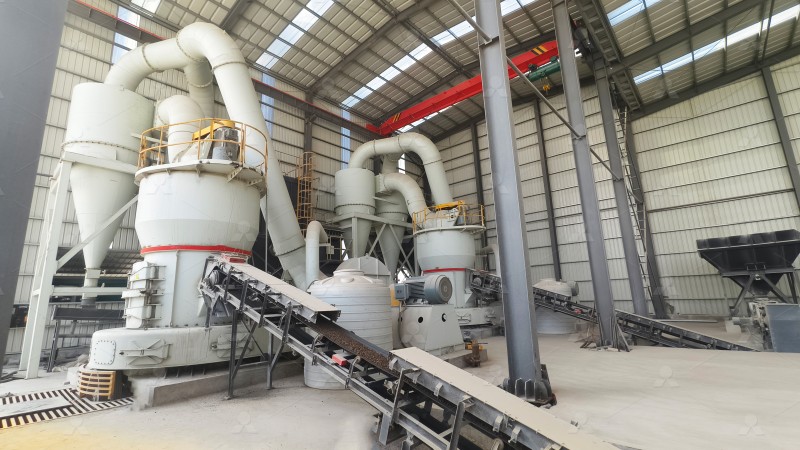
Final Thoughts: It’s About Total Cost, Not Just Price
Don’t just look at the purchase price. Consider the total cost of ownership. A cheaper, less efficient mill will have higher energy bills, more maintenance costs, and more downtime. A more advanced mill like the MW or LUM series might have a higher upfront cost, but it saves you money for years to come through lower operating costs and superior reliability. Always request a detailed quote based on your specific needs and consult with the manufacturer’s engineers to find the perfect machine for your budget and production goals.