
Types of Ball Mill Machines for Gold Processing and Their Applications
We provide a wide range of mills — including Raymond mill, trapezoidal mill, vertical mill, ultrafine mill, and ball mill, obtained ISO9001 international quality certification, EU CE certification, and Customs Union CU-TR certification. Suitable for processing minerals such as limestone, phosphate, quicklime, kaolin, talc, barite, bentonite, calcium carbonate, dolomite, coal, gypsum, clay, carbon black, slag, cement raw materials, cement clinker, and more.
The discharge range of these mills can be adjusted to meet specific processing needs, typically from 80-400 mesh, 600-3250 mesh, and can achieve the finest particle size of up to 6000 mesh(D50).
If you are looking for a reliable grinding solution to turn stone or minerals into fine powder, please feel free to contact our online customer service.
Types of Ball Mill Machines for Gold Processing and Their Applications
In the gold mining industry, efficient comminution is a critical step in liberating the precious metal from its ore. While traditional ball mills have been the workhorse for decades, technological advancements have introduced a variety of grinding mill machines, each with unique advantages for specific applications. Selecting the right equipment is paramount for optimizing recovery rates, minimizing energy consumption, and ensuring operational profitability.
1. Traditional Ball Mills
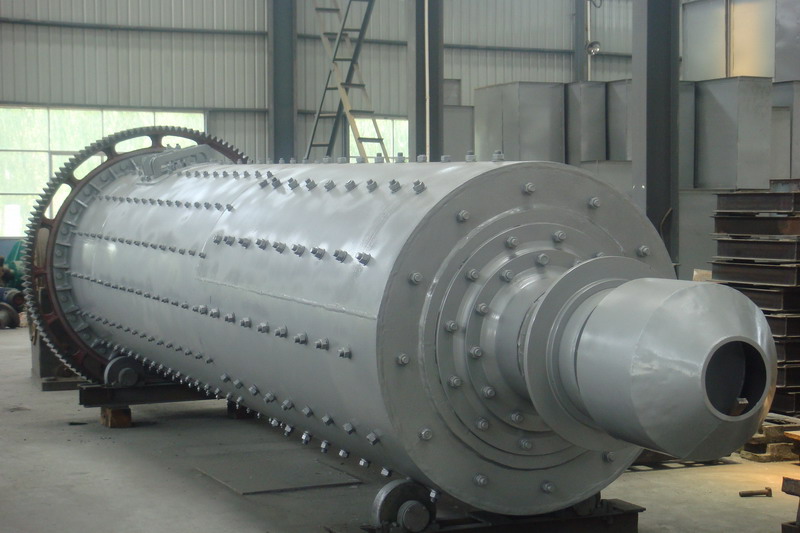
The conventional ball mill is a robust and well-understood technology. It consists of a horizontal rotating cylinder filled with steel balls of various sizes. As the cylinder rotates, the balls are lifted and then cascade down, crushing and grinding the ore through impact and attrition.
Applications: Ball mills are highly versatile and are commonly used for both wet and dry grinding of gold ores. They are particularly effective in the initial and secondary grinding stages, capable of handling feed sizes up to 25mm and achieving a typical product fineness suitable for further cyanidation processes.
Advantages: Lower initial investment, simple structure, and high reliability. They are a proven technology that operators are very familiar with.
2. Advanced Grinding Technologies
For operations requiring finer grinding to achieve higher gold liberation or processing complex ores, advanced mills offer significant benefits in efficiency and control.
Vertical Roller Mills (VRM)
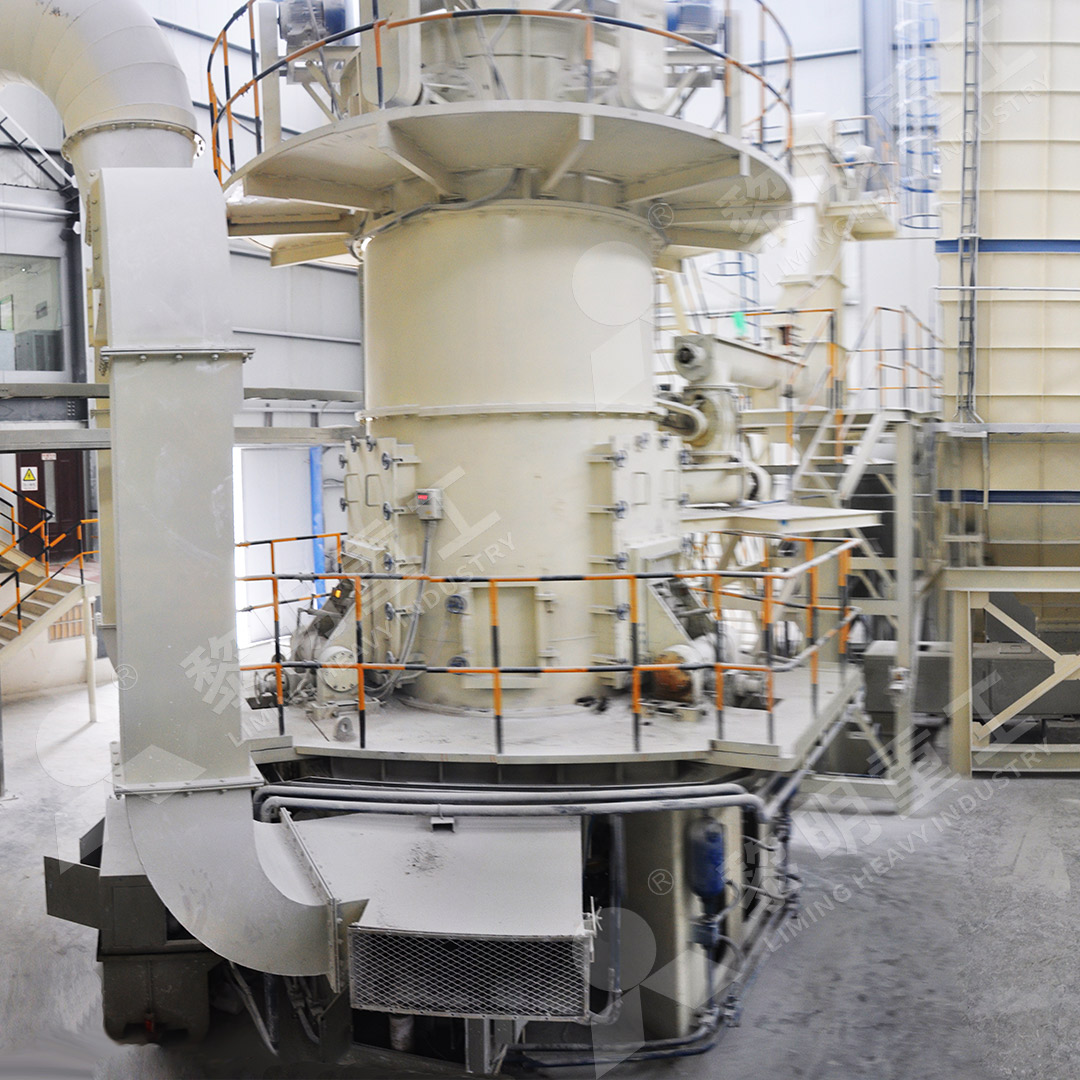
VRMs, like our LM Vertical Grinding Mill, integrate crushing, drying, grinding, and classifying in a single unit. They use hydraulically loaded rollers to compress and shear the ore bed against a rotating table.
Applications: Excellent for processing non-metallic minerals and offers strong drying capabilities, which can be beneficial for ores with moisture. Its compact design reduces the footprint by 50% compared to a ball mill.
European Trapezium Mills
Mills such as the MTW Series feature bevel gear overall drives and inner thin-oil lubrication systems. Their unique curved air duct design reduces air flow resistance and energy consumption.
Applications: Ideal for grinding a wide variety of minerals, including gold-bearing ores like limestone and calcite. They offer excellent final powder quality and high production efficiency.
3. The Shift to Ultrafine Grinding for Maximum Recovery
A key trend in modern gold processing is ultrafine grinding (UFG). Liberating microscopic gold particles locked within sulfide ores (refractory ores) often requires grinding to a particle size of 10-20 microns or finer. This is where specialized ultrafine mills become indispensable.
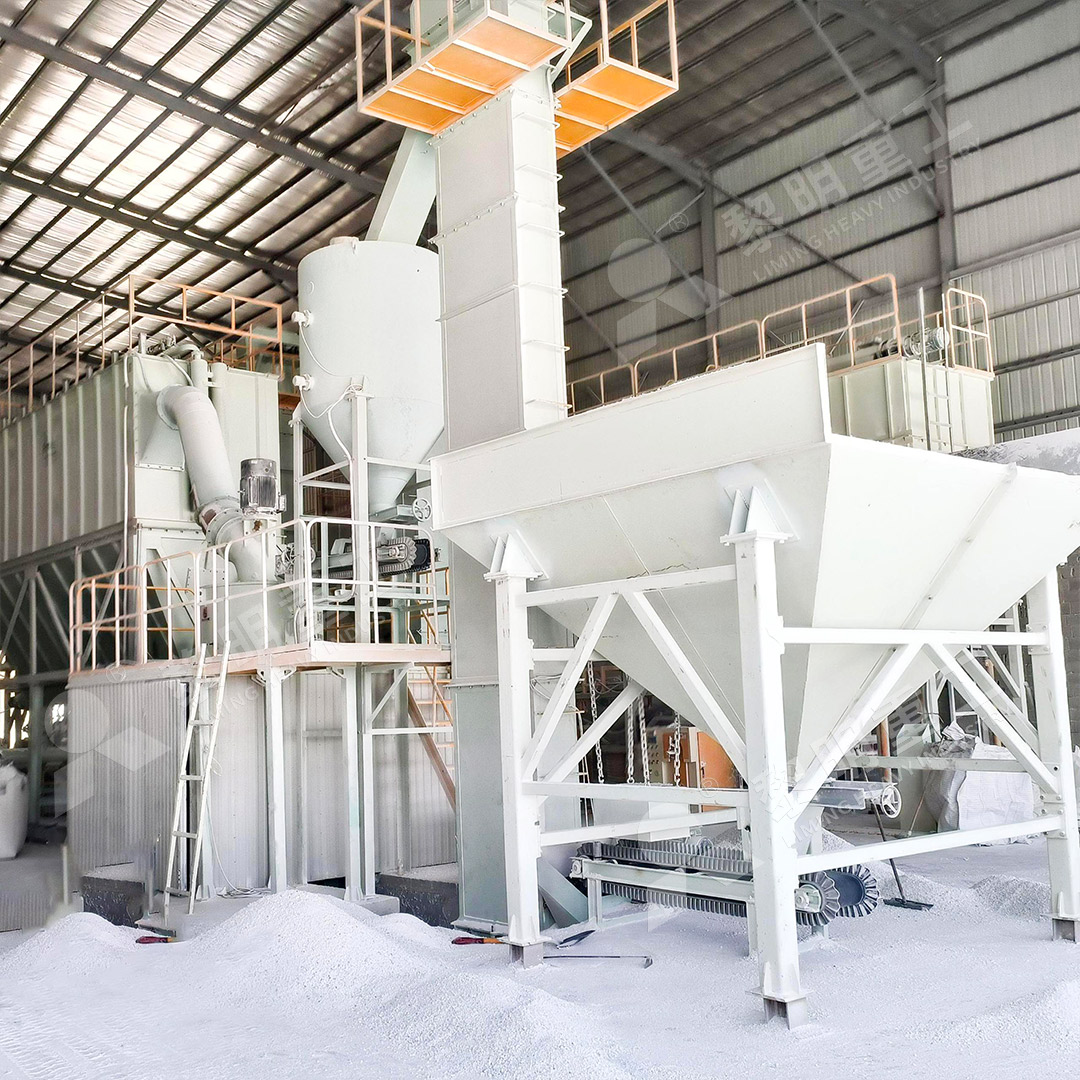
For operations demanding the highest level of fineness and efficiency, we highly recommend our flagship MW Ultrafine Grinding Mill. This machine is engineered for customers who need to make ultra-fine powder with precision and reliability.
Key Features for Gold Processing:
- Higher Yielding, Lower Energy Consumption: Its newly designed grinding curves enhance efficiency. Production capacity is 40% higher than jet mills and yield is twice as large as ball mills, while system energy consumption is only 30% of a jet mill.
- Adjustable Fineness (325-2500 meshes): The German-technology cage-type powder selector allows precise control over final product fineness, crucial for optimizing gold leach kinetics. It can achieve a fine sieve rate of d97≤5μm in a single pass.
- Eco-Friendly & Reliable: Equipped with an efficient pulse dust collector and muffler, the entire milling system operates without dust pollution and with reduced noise. A significant advantage is the absence of rolling bearings and screws in the grinding chamber, eliminating common failure points and enabling worry-free 24/7 operation.
Application: The MW Mill is perfectly suited for processing gold ores that require ultra-fine grinding to unlock maximum value, especially refractory ores. It can also handle a wide range of other materials commonly associated with mining operations.
Conclusion
The choice of grinding mill is a strategic decision that impacts the entire gold processing circuit. While traditional ball mills remain a valid option for many applications, the move towards higher efficiency and ultrafine grinding is clear. Technologies like our MW Ultrafine Grinding Mill and LUM Ultrafine Vertical Mill represent the next generation of grinding, offering unparalleled control over product fineness, significantly reduced operating costs, and a smaller environmental footprint. Evaluating your ore characteristics and liberation requirements will guide you to the optimal machine for maximizing your gold recovery.