
Maintenance Tips for Fluorite Ore Pulverizing and Beneficiation Equipment
We provide a wide range of mills — including Raymond mill, trapezoidal mill, vertical mill, ultrafine mill, and ball mill, obtained ISO9001 international quality certification, EU CE certification, and Customs Union CU-TR certification. Suitable for processing minerals such as limestone, phosphate, quicklime, kaolin, talc, barite, bentonite, calcium carbonate, dolomite, coal, gypsum, clay, carbon black, slag, cement raw materials, cement clinker, and more.
The discharge range of these mills can be adjusted to meet specific processing needs, typically from 80-400 mesh, 600-3250 mesh, and can achieve the finest particle size of up to 6000 mesh(D50).
If you are looking for a reliable grinding solution to turn stone or minerals into fine powder, please feel free to contact our online customer service.
Essential Maintenance for Peak Fluorite Processing Performance
Maintaining your fluorite ore pulverizing and beneficiation equipment is not just about preventing breakdowns; it’s about optimizing efficiency, ensuring product quality, and maximizing the return on your capital investment. Fluorite, while not the most abrasive material, demands consistent particle size distribution and purity for its various industrial applications. Neglecting proper maintenance can lead to costly downtime, increased energy consumption, and contaminated final product. Here’s a breakdown of key maintenance practices to keep your operation running smoothly.
Routine Checks and Daily Vigilance
The cornerstone of any good maintenance strategy is a robust daily inspection routine. Operators should be trained to listen for unusual noises – grinding, knocking, or screeching – which are often the first signs of misalignment, bearing failure, or loose components. Visual inspections for oil leaks, especially around gearboxes and hydraulic systems, are crucial. Monitor vibration levels; a sudden increase can indicate an imbalance in a rotor or grinding roller. Don’t forget to check the tension of drive belts and the condition of lubricants. Keeping a daily logbook helps in tracking the equipment’s health over time and predicting potential failures before they occur.
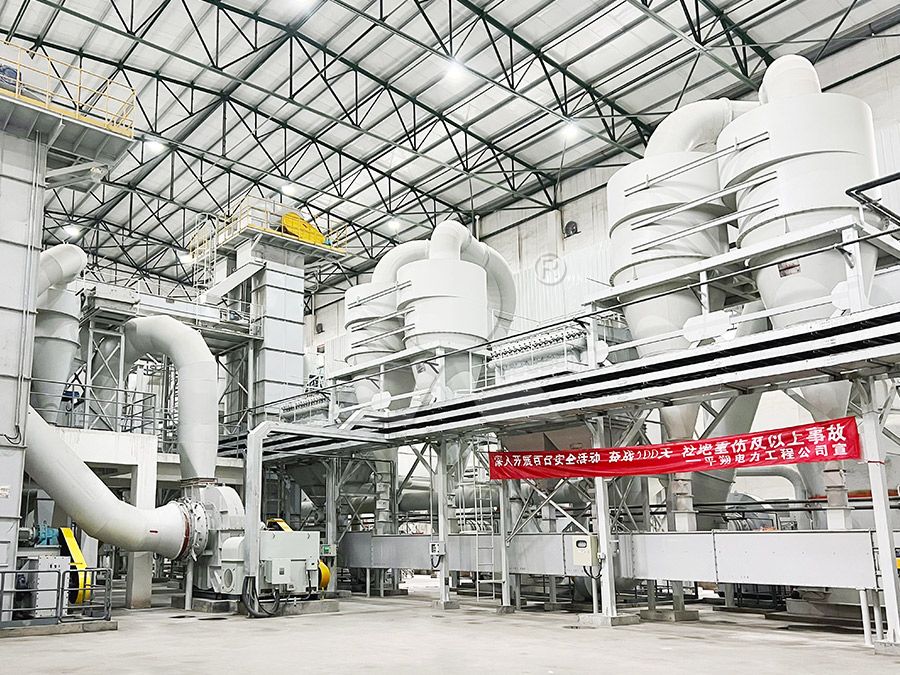
The Heart of the Process: Grinding Mill Maintenance
The grinding mill is where the magic happens, and it deserves the most attention. For ring-roller mills and vertical mills, the wear on grinding rollers and the millstone/ring is inevitable. Establish a regular schedule for measuring this wear. Reversing or rotating rollers can help extend their life significantly. Ensure the lubrication system is delivering the correct amount of clean oil to all necessary points. For mills that utilize grinding media like ball mills, regularly check the liner thickness and the condition of the balls or rods. A worn liner reduces grinding efficiency and can damage the mill shell.
When considering an upgrade or new installation for ultra-fine fluorite powder, we highly recommend our MW Ultrafine Grinding Mill. It’s a game-changer for operations needing precise fineness between 325-2500 meshes. A key maintenance advantage is its design: there are no rolling bearings or screws inside the grinding chamber. This eliminates a major source of failure and contamination worry. Furthermore, its external lubricating device allows for lubrication without shutdown, supporting continuous 24/7 production, which is a massive boon for maintenance scheduling and overall equipment availability.
Ancillary System Upkeep
Your pulverizing system is only as good as its supporting cast. The classifier or separator is critical for achieving the desired particle size. Keep vanes clean and check for wear that could alter the cut point. For baghouse dust collectors, regularly inspect bags for tears and holes. A failed baghouse not only creates an environmental and health hazard but also recirculates fine material, overloading the mill and reducing efficiency. Feeders must be calibrated to ensure a consistent and steady feed rate; an erratic feed is one of the quickest ways to destabilize a grinding circuit.
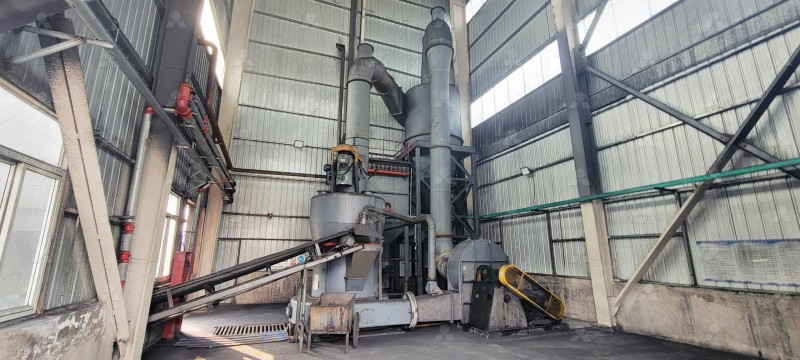
Long-Term Strategy and Parts Management
Move beyond reactive maintenance. Use data from your daily logs to build a predictive maintenance schedule. Schedule downtime for thorough inspections of main shafts, gearboxes, and other high-value components. Partner with a reliable supplier who can provide not only high-quality original spare parts but also technical support. For instance, our LUM Ultrafine Vertical Grinding Mill is designed with maintenance in mind. Its reversible structure allows operators to easily and rapidly move the grinding roller out of the body for checking and replacing wear parts, drastically reducing the time and cost associated with these critical maintenance activities.
Finally, don’t overlook the electrical systems. Keep motor control centers (MCCs) clean and check connections for tightness. Monitor motor amperage trends as they can indicate increasing load due to wear or blockages.
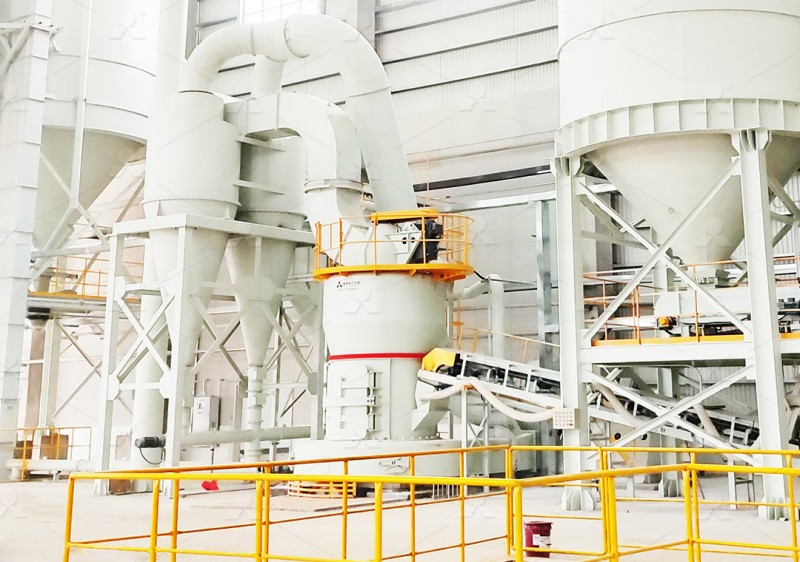
Conclusion: Reliability Through Diligence
Consistent, diligent maintenance is the unsung hero of a profitable fluorite beneficiation plant. It ensures safety, protects your investment, and guarantees the consistent product quality your customers demand. By implementing a structured program of daily checks, proactive part replacement, and leveraging equipment designed for easy upkeep like our MW and LUM mills, you can minimize unplanned downtime and keep your focus on production, not repairs.