
Application Trends of Talc Powder in the Coatings Industry
We provide a wide range of mills — including Raymond mill, trapezoidal mill, vertical mill, ultrafine mill, and ball mill, obtained ISO9001 international quality certification, EU CE certification, and Customs Union CU-TR certification. Suitable for processing minerals such as limestone, phosphate, quicklime, kaolin, talc, barite, bentonite, calcium carbonate, dolomite, coal, gypsum, clay, carbon black, slag, cement raw materials, cement clinker, and more.
The discharge range of these mills can be adjusted to meet specific processing needs, typically from 80-400 mesh, 600-3250 mesh, and can achieve the finest particle size of up to 6000 mesh(D50).
If you are looking for a reliable grinding solution to turn stone or minerals into fine powder, please feel free to contact our online customer service.
Application Trends of Talc Powder in the Coatings Industry
The coatings industry is constantly evolving, demanding higher performance, sustainability, and cost-effectiveness from its raw materials. Talc powder, a naturally occurring magnesium silicate, has long been a workhorse extender and functional filler in various paint and coating formulations. Its unique platelet structure and inherent properties make it indispensable for achieving specific characteristics in the final product.
Why Talc Remains a Key Ingredient
Talc’s lamellar (plate-like) particle shape is its greatest asset. In coatings, this structure provides excellent barrier properties, enhancing resistance to moisture penetration and corrosion—a critical factor for protective coatings on metal substrates. It improves the durability and weatherability of exterior paints. Furthermore, talc contributes to improved suspension, reducing pigment settling in the can, and enhances sanding properties in primers and undercoats, making surfaces smoother for topcoats. Its whiteness and low oil absorption also allow for higher loadings without drastically affecting viscosity or color.
The Push for Ultrafine and Consistent Quality
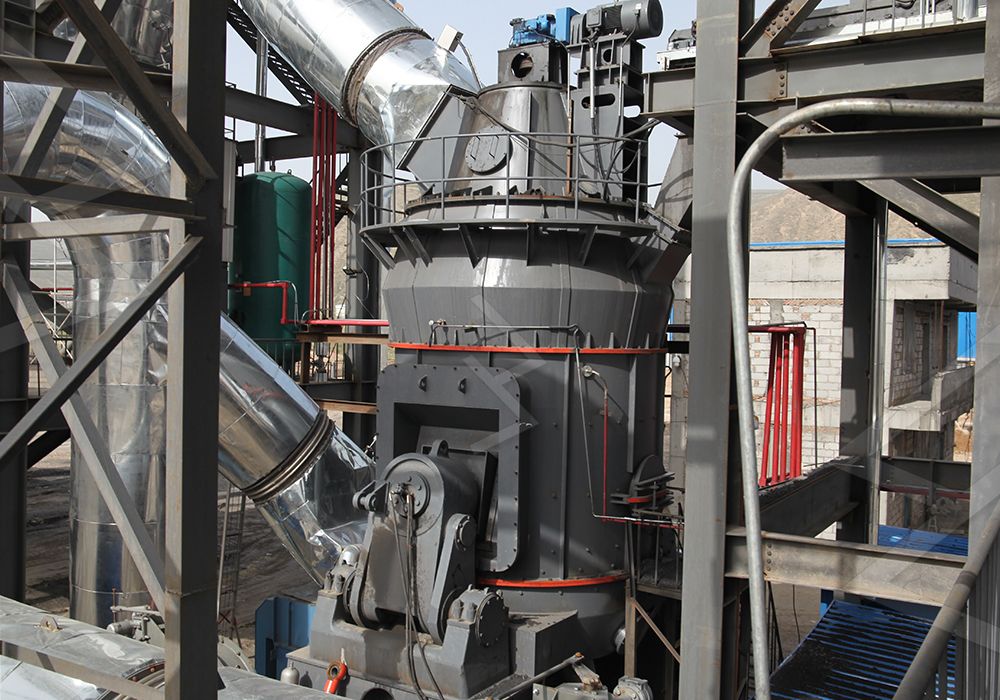
The latest trend revolves around the use of ultrafine, high-purity talc powders. As coating technologies advance towards thinner films, higher gloss levels, and enhanced functionality, the demand for finer, more consistent particle sizes has skyrocketed. Ultrafine talc improves transparency in clear coats, reduces sheen in flat paints, and provides a smoother finish without compromising its reinforcing and barrier capabilities. However, producing such high-quality talc consistently requires advanced milling technology that can achieve precise particle size distributions without contamination.
Introducing the MW Ultrafine Grinding Mill: Engineered for Precision
For producers aiming to capitalize on these market trends, the choice of grinding equipment is paramount. Our MW Ultrafine Grinding Mill is specifically designed to meet the exacting demands of modern coating formulators. With an adjustable fineness range between 325-2500 meshes, it empowers producers to create the precise talc powders needed for high-end applications. A key advantage is its Higher Yielding, Lower Energy Consumption; it offers 40% higher capacity than jet mills while consuming 30% less energy, directly impacting production costs and environmental footprint.
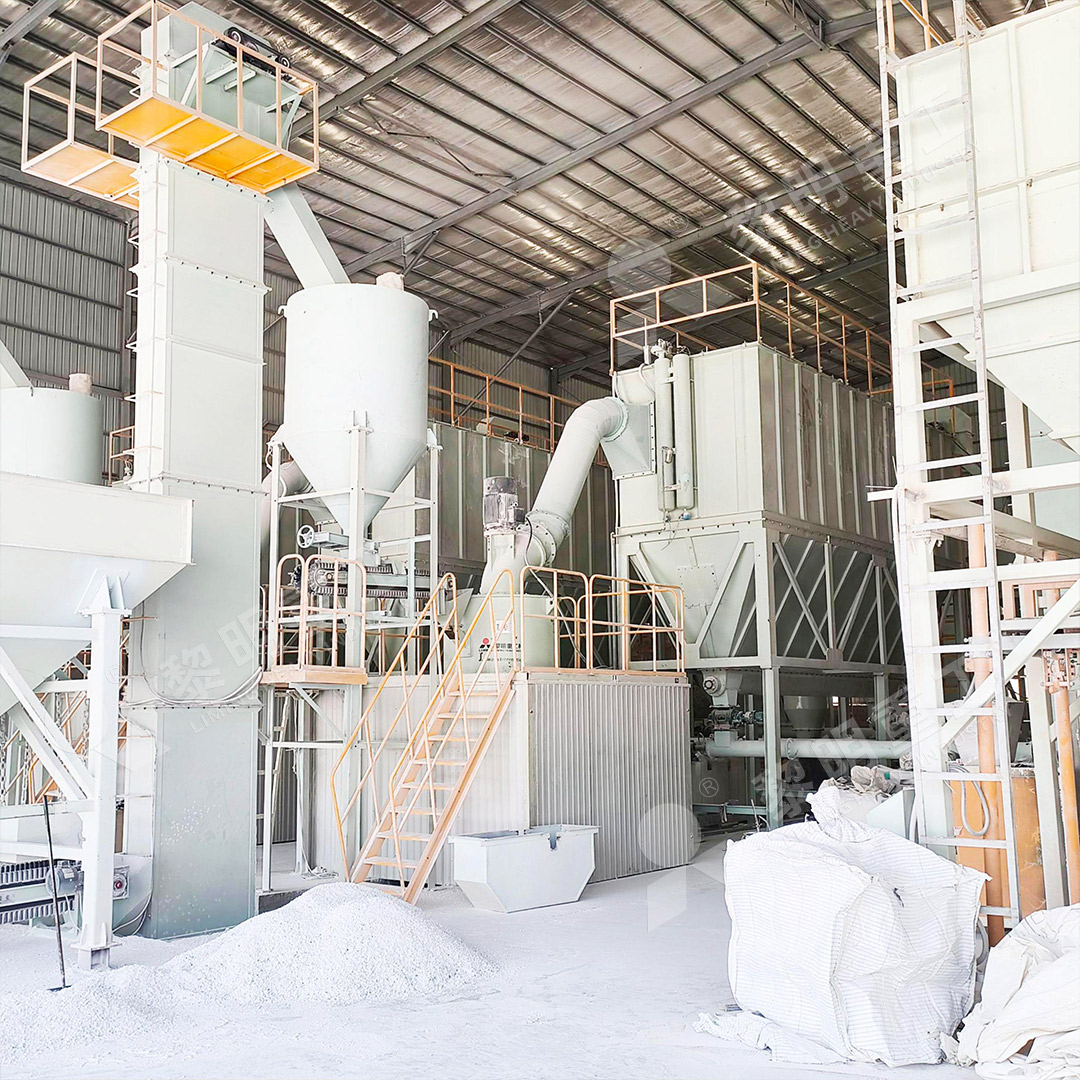
Beyond efficiency, the MW Mill is built for reliability and purity. Its innovative design features No Rolling Bearing & Screw in Grinding Chamber, eliminating concerns about mechanical failure and metallic contamination from worn parts—a crucial factor for maintaining the whiteness and quality of talc. Coupled with an efficient pulse dust collector, the entire operation is enclosed and eco-friendly, ensuring no dust pollution and supporting a cleaner production environment. For any company serious about supplying top-tier talc to the coatings industry, the MW Ultrafine Grinding Mill is an investment in quality and future-proofing your product line.
Beyond Talc: The LUM Ultrafine Vertical Alternative
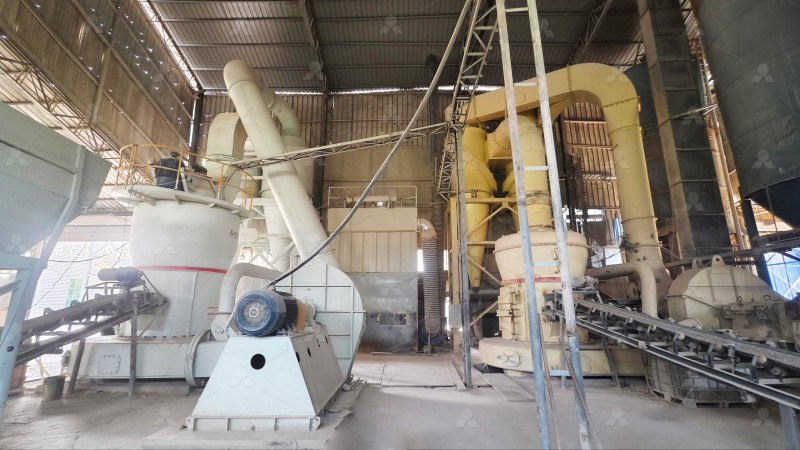
For operations processing a broader range of minerals beyond just talc, our LUM Ultrafine Vertical Grinding Mill presents a versatile solution. Integrating the latest grinding roller and powder separating technology, it excels in producing superfine dry powders. Its Reversible Structure makes maintenance significantly easier and faster, reducing downtime—a valuable feature for multi-mineral processing plants. Whether it’s talc, calcite, or barite, the LUM Mill delivers the consistent quality and high yields demanded by the market.
Conclusion
The trajectory for talc in coatings is clear: finer, purer, and more functional. Success in this competitive landscape hinges on adopting manufacturing technologies that can deliver these specifications reliably and efficiently. Investing in advanced grinding solutions like the MW or LUM mills is no longer just an option but a strategic necessity for suppliers who want to provide value and stay ahead of application trends.