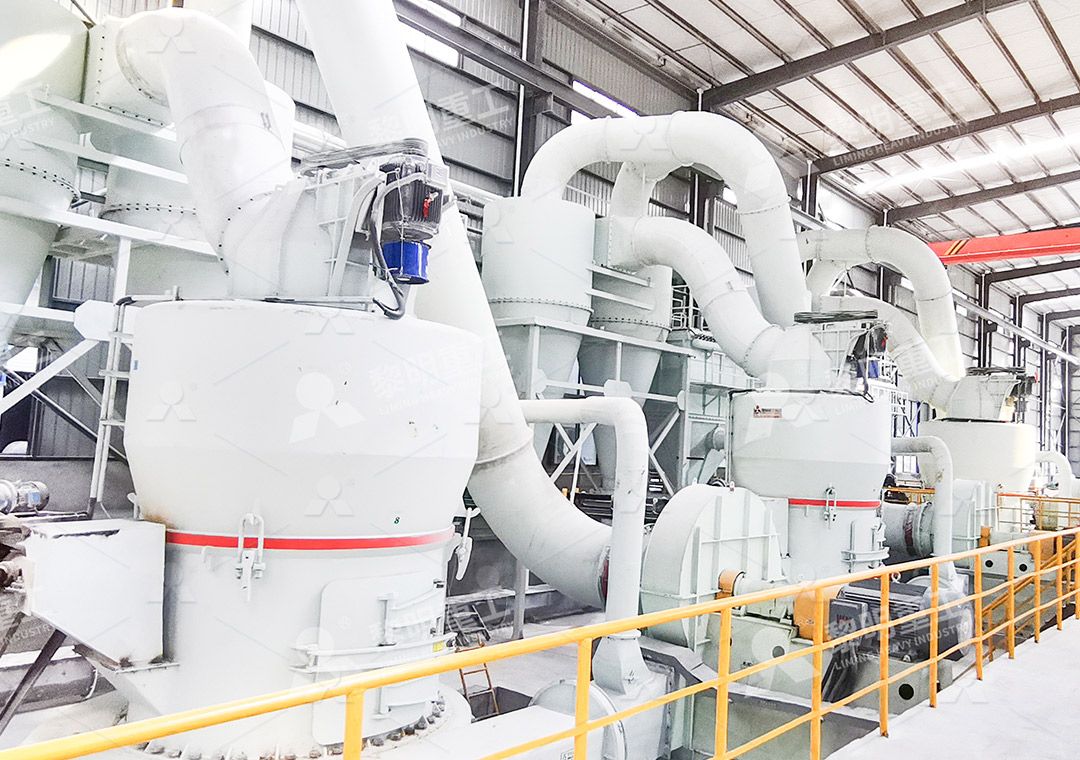
Types of Ball Mill Equipment for Gold Processing and Recovery
We provide a wide range of mills — including Raymond mill, trapezoidal mill, vertical mill, ultrafine mill, and ball mill, obtained ISO9001 international quality certification, EU CE certification, and Customs Union CU-TR certification. Suitable for processing minerals such as limestone, phosphate, quicklime, kaolin, talc, barite, bentonite, calcium carbonate, dolomite, coal, gypsum, clay, carbon black, slag, cement raw materials, cement clinker, and more.
The discharge range of these mills can be adjusted to meet specific processing needs, typically from 80-400 mesh, 600-3250 mesh, and can achieve the finest particle size of up to 6000 mesh(D50).
If you are looking for a reliable grinding solution to turn stone or minerals into fine powder, please feel free to contact our online customer service.
Types of Ball Mill Equipment for Gold Processing and Recovery
Gold processing and recovery operations require robust and efficient milling equipment to liberate gold particles from ore and ensure high recovery rates. While traditional ball mills have been a staple in the industry, advancements in grinding technology have introduced a variety of mill types that offer superior efficiency, lower energy consumption, and finer grinding capabilities. Selecting the right equipment is crucial for optimizing both operational costs and final gold yield.
Traditional Ball Mills
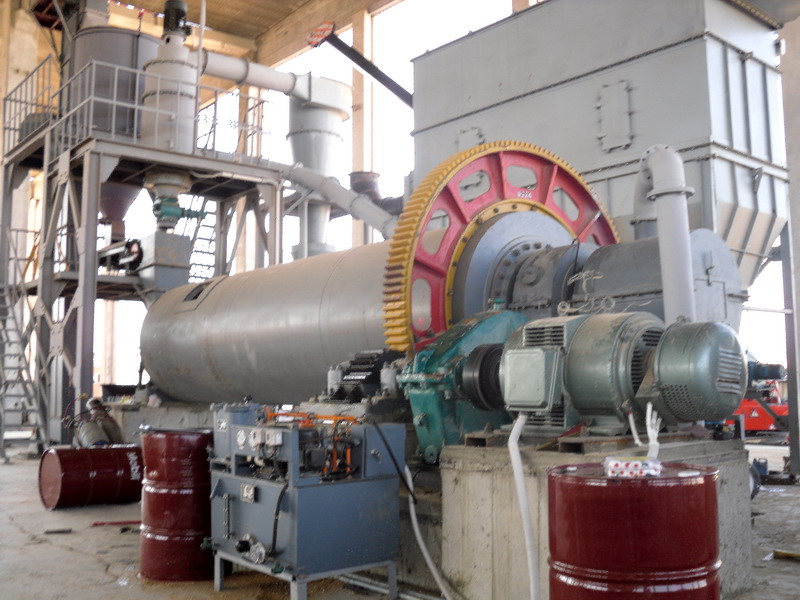
The conventional ball mill is a workhorse in many gold processing plants. It operates on a simple principle: a rotating cylinder filled with steel balls grinds the ore by impact and attrition. These mills are valued for their reliability, lower initial investment, and ability to handle a wide range of feed sizes. However, they can be energy-intensive and may not always achieve the ultra-fine grind necessary for maximum gold liberation from complex ores. Their operation can also generate significant noise and dust, requiring additional ancillary equipment for pollution control.
Advanced Grinding Solutions
To address the limitations of traditional mills, several advanced grinding technologies have been developed. Vertical roller mills (VRMs), for instance, integrate drying, grinding, and classification in a single unit, offering a compact footprint and energy savings of 30-40% compared to ball mills. Similarly, European Trapezium Mills provide high grinding efficiency with features like dilute oil lubrication for lower maintenance.
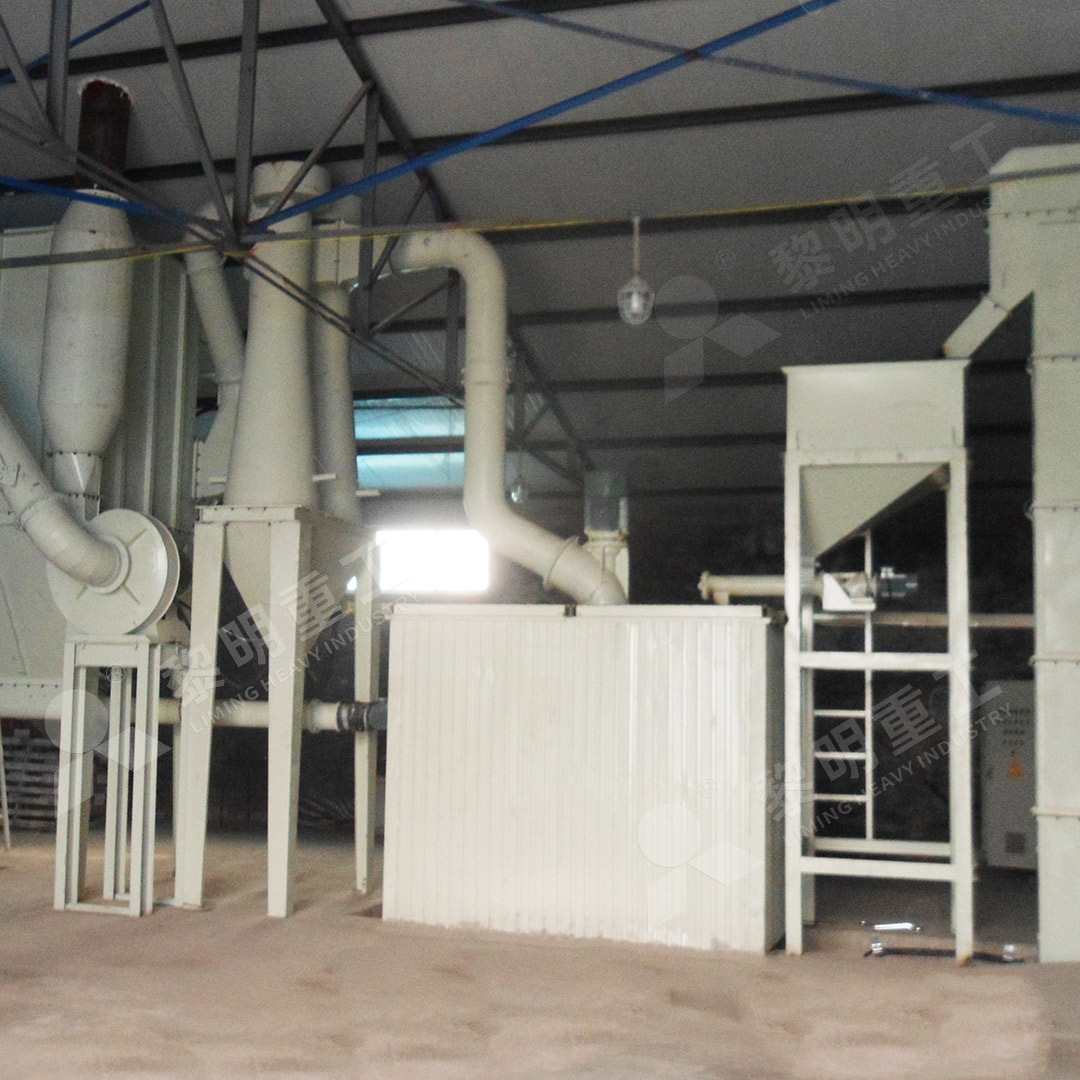
For operations demanding the finest grind and highest recovery rates, ultrafine grinding mills are the pinnacle of technology. These mills are specifically engineered to produce powders with a fineness up to 2500 meshes, which is often necessary to expose microscopic gold particles locked within the ore. A standout example in this category is our MW Ultrafine Grinding Mill. This machine is designed for customers who need to make ultra-fine powder and is equipped with an efficient pulse dust collector and muffler, reducing dust and noise for minimal environmental impact. It boasts higher yielding and lower energy consumption, with a production capacity 40% higher than jet mills and double that of ball mills. Its adjustable fineness between 325-2500 meshes ensures you can achieve the precise grind needed for optimal gold recovery.
Choosing the Right Mill for Your Operation
The choice of mill depends on various factors, including ore characteristics, desired fineness, capacity requirements, and overall project economics. For high-capacity primary grinding, a vertical mill like the LM Vertical Grinding Mill might be ideal, integrating crushing, drying, grinding, and conveying to save space and energy. For specialized, ultra-fine grinding applications to maximize gold recovery, the MW Ultrafine Grinding Mill is unparalelled. Its design, featuring no rolling bearings or screws in the grinding chamber, eliminates common failure points and allows for worry-free, 24/7 operation—a critical factor in continuous processing plants.
Conclusion
Investing in the right milling technology is a critical decision for any gold processing operation. While the traditional ball mill remains a viable option, modern mills like the MW Ultrafine Grinding Mill offer significant advantages in efficiency, product fineness, and environmental compliance. By carefully evaluating your specific needs against the capabilities of different mill types, you can select equipment that maximizes recovery and minimizes operating costs, ensuring the long-term profitability of your gold processing venture.