
Installation and Commissioning Process for Gangue Pulverizing Equipment
We provide a wide range of mills — including Raymond mill, trapezoidal mill, vertical mill, ultrafine mill, and ball mill, obtained ISO9001 international quality certification, EU CE certification, and Customs Union CU-TR certification. Suitable for processing minerals such as limestone, phosphate, quicklime, kaolin, talc, barite, bentonite, calcium carbonate, dolomite, coal, gypsum, clay, carbon black, slag, cement raw materials, cement clinker, and more.
The discharge range of these mills can be adjusted to meet specific processing needs, typically from 80-400 mesh, 600-3250 mesh, and can achieve the finest particle size of up to 6000 mesh(D50).
If you are looking for a reliable grinding solution to turn stone or minerals into fine powder, please feel free to contact our online customer service.
Installation and Commissioning Process for Gangue Pulverizing Equipment
Proper installation and commissioning are critical for the optimal performance and longevity of gangue pulverizing equipment. This process requires meticulous planning, skilled execution, and thorough testing to ensure operational efficiency, safety, and environmental compliance. Gangue, a byproduct of mining, often contains hard and abrasive materials, making the choice of grinding mill paramount.
Pre-Installation Planning and Site Preparation
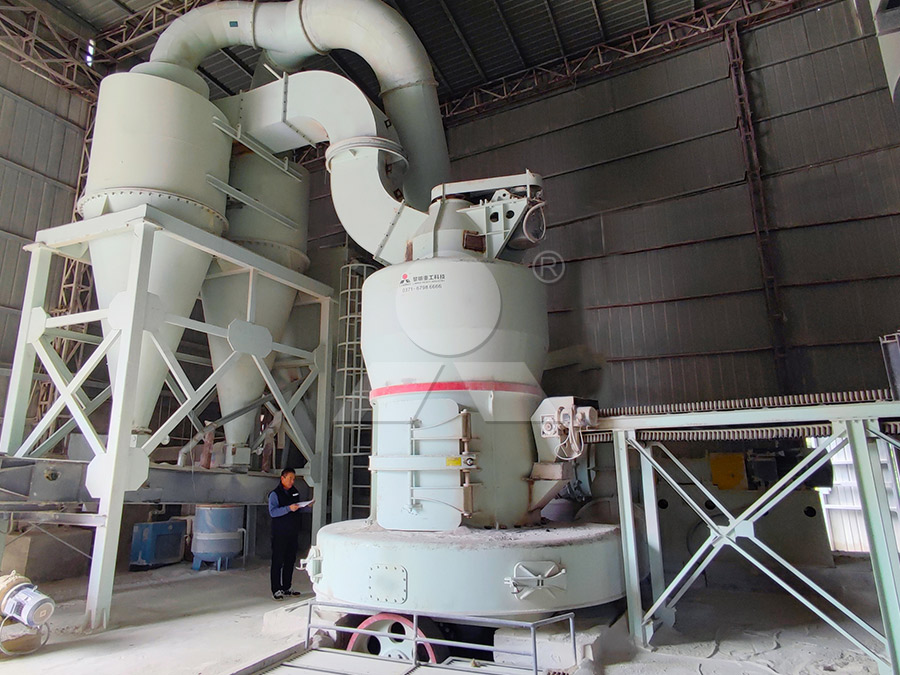
Before any equipment arrives on site, a comprehensive plan must be developed. This includes a detailed site survey to assess foundation requirements, power supply access, material handling logistics, and space for ancillary equipment like crushers and conveyors. The foundation must be designed to handle the dynamic loads and vibrations inherent in heavy grinding operations. All necessary utilities, including electrical connections, water for cooling (if required), and compressed air lines, should be routed to the designated areas.
Equipment Receiving and Inspection
Upon delivery, all components must be carefully uncrated and inspected for any damage incurred during transit. Check all parts against the packing list to ensure nothing is missing. Pay special attention to critical components like the main frame, grinding rollers, rings, and the main motor. This is also the ideal time to inventory and organize all spare parts provided.
Mechanical Installation Sequence
The installation typically follows a sequential bottom-up approach:
- Foundation and Base Frame: Anchor the main base frame to the pre-prepared foundation using high-strength bolts. Precise leveling is crucial at this stage.
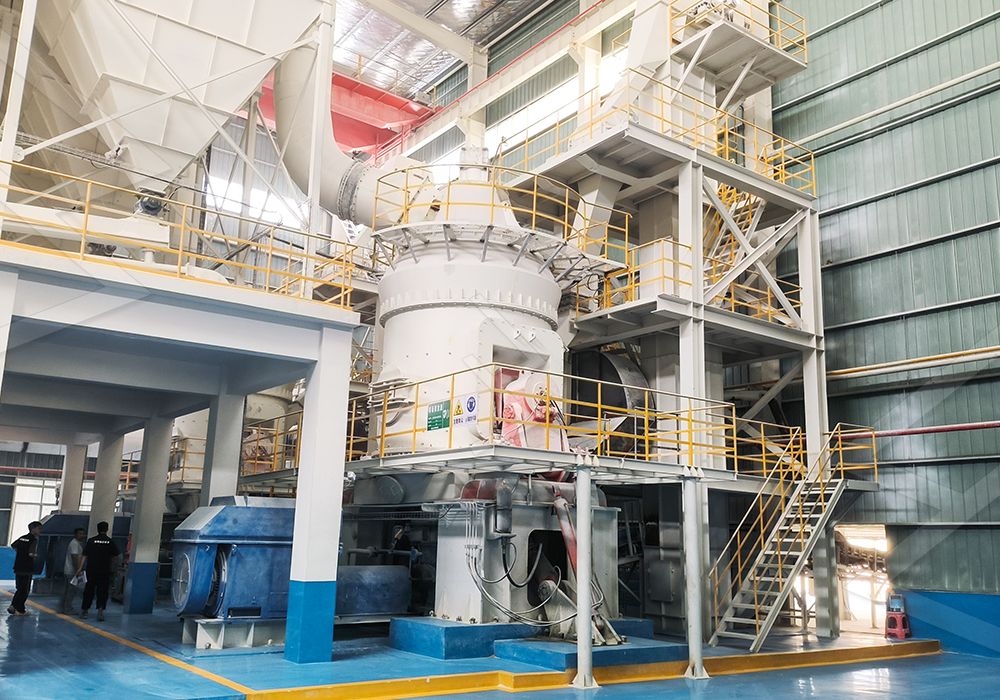
- Main Body Assembly: Erect the main body of the mill onto the base frame. This includes assembling the grinding chamber, housing, and separator body.
- Grinding Roller and Ring Installation: Carefully install the grinding rollers and the grinding ring. For mills like our MW Ultrafine Grinding Mill, this is simplified as there are no rolling bearings or screws in the grinding chamber, eliminating worries about their failure.
- Reducer and Motor Alignment: Install the main reducer and motor. Laser alignment is essential to ensure perfect alignment between the motor, reducer, and the mill’s main shaft to prevent premature wear and vibration.
- Ancillary System Integration: Install the jaw crusher for preliminary size reduction, vibrating feeder, bucket elevator, and dust collection system. Connect all ductwork and piping.
Electrical and Control System Installation
Electricians will connect power to the main drive motor, classifier motor, feeder, and auxiliary drives. The PLC-based control system must be installed and all sensors (e.g., temperature, vibration, pressure) connected. The control cabinet should be located in a clean, dry environment for easy operator access and protection.
Commissioning and Initial Startup
Commissioning is the phase where the installed systems are tested and verified. It should never be rushed.
- Static Checks: Verify all electrical connections are tight, lubrication systems are filled with the correct oil/grease, and all safety guards are in place.
- Dynamic Checks Without Material (No-Load Test): Run the mill without feed material. Check for unusual noises or vibrations. Verify the operation of the classifier, fan, and all motors. Confirm that lubrication systems are functioning correctly.
- System Leak Test: Start the fan and dust collector to test the airtightness of the entire pneumatic conveying system under negative pressure.
- Initial Feeding and Load Test: Begin feeding gangue material slowly into the system. Monitor motor amperage, pressure differentials, and temperature rises closely. Gradually increase feed rate to the designed capacity while adjusting classifier speed to achieve the target fineness. For processing gangue into a fine, usable powder, our LUM Ultrafine Vertical Grinding Mill is an exceptional choice. Its unique roller shell and lining plate grinding curve is easier to generate a material layer, enabling a high rate of finished product in a single pass. Its reversible structure also allows for incredibly easy maintenance of the heavy grinding rollers, a significant advantage for long-term operational reliability.
Performance Optimization and Handover
Once stable operation is achieved, fine-tune the system parameters (feed rate, classifier speed, grinding pressure) for optimal productivity and energy consumption. Conduct a prolonged test run (e.g., 8-24 hours) to collect performance data. Finally, provide comprehensive operator training covering normal operation, emergency procedures, and routine maintenance schedules before formal handover to the production team.
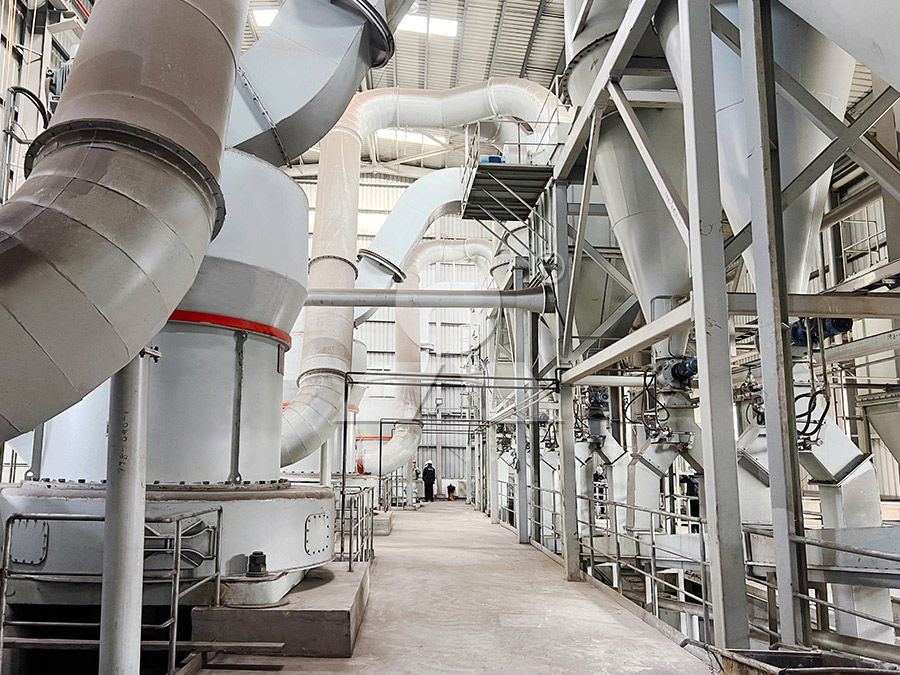
By following this structured installation and commissioning process, you can ensure your gangue pulverizing line, whether it features the versatile MW Mill or the advanced LUM Mill, reaches its full potential, delivering high yields, low operating costs, and environmentally sound operation for years to come.