
How to Reduce Noise from Limestone Grinding Mills in Power Plant Desulfurization
We provide a wide range of mills — including Raymond mill, trapezoidal mill, vertical mill, ultrafine mill, and ball mill, obtained ISO9001 international quality certification, EU CE certification, and Customs Union CU-TR certification. Suitable for processing minerals such as limestone, phosphate, quicklime, kaolin, talc, barite, bentonite, calcium carbonate, dolomite, coal, gypsum, clay, carbon black, slag, cement raw materials, cement clinker, and more.
The discharge range of these mills can be adjusted to meet specific processing needs, typically from 80-400 mesh, 600-3250 mesh, and can achieve the finest particle size of up to 6000 mesh(D50).
If you are looking for a reliable grinding solution to turn stone or minerals into fine powder, please feel free to contact our online customer service.
How to Reduce Noise from Limestone Grinding Mills in Power Plant Desulfurization
Noise pollution from limestone grinding mills is a significant operational and environmental challenge in power plant desulfurization systems. The constant, high-decibel grinding can impact worker health, regulatory compliance, and community relations. Addressing this issue requires a multi-faceted approach, from equipment selection to operational tweaks and physical modifications.
The Primary Sources of Mill Noise
Understanding where the noise comes from is the first step to mitigation. In a typical grinding operation, the main culprits are:
- Mechanical Noise: Generated by the motor, gearbox, and the physical impact and friction of grinding rollers against the grinding ring or table.
- Aerodynamic Noise: Created by the high-speed air flow from the system’s blower and the movement of fine powder through ducts and the separator.
- Structural-Borne Noise: Vibrations from the mill itself are transmitted to its foundation and the surrounding building structure, amplifying the overall sound.
Effective Strategies for Noise Reduction
1. Invest in Modern, Quieter Mill Technology
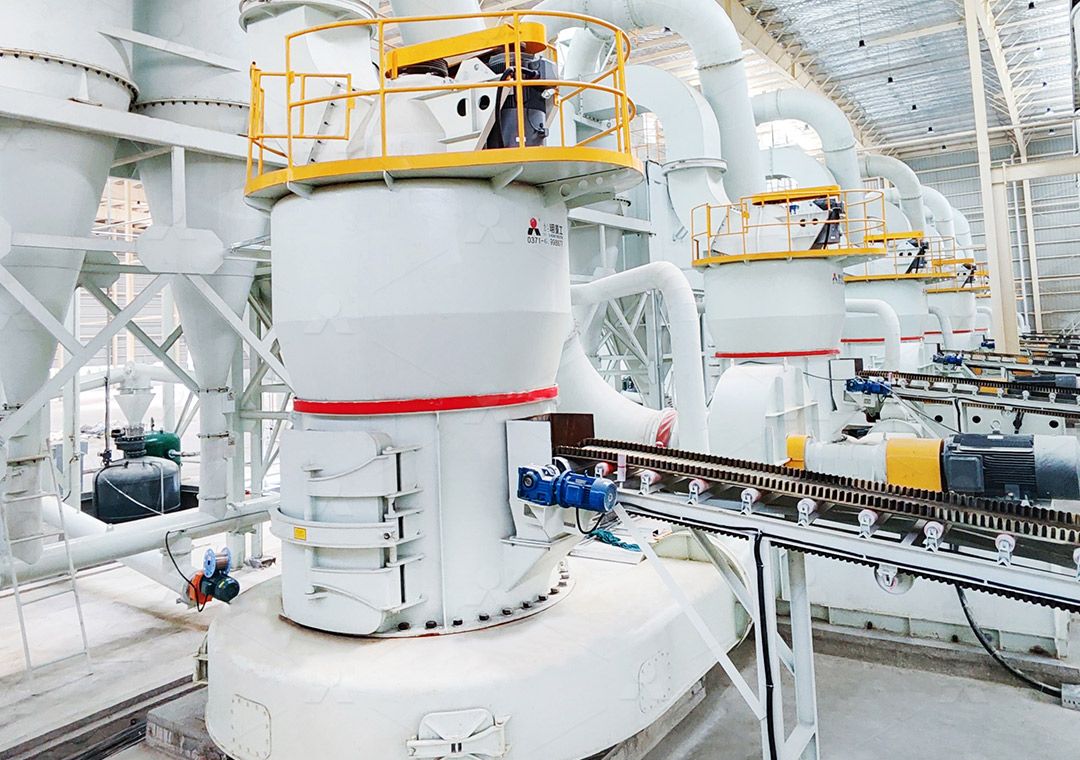
The most effective long-term solution is upgrading to mills designed with noise reduction as a core feature. Older ball mills or Raymond mills are notoriously loud. Modern vertical roller mills and ultrafine grinding mills incorporate design elements that significantly lower noise emissions.
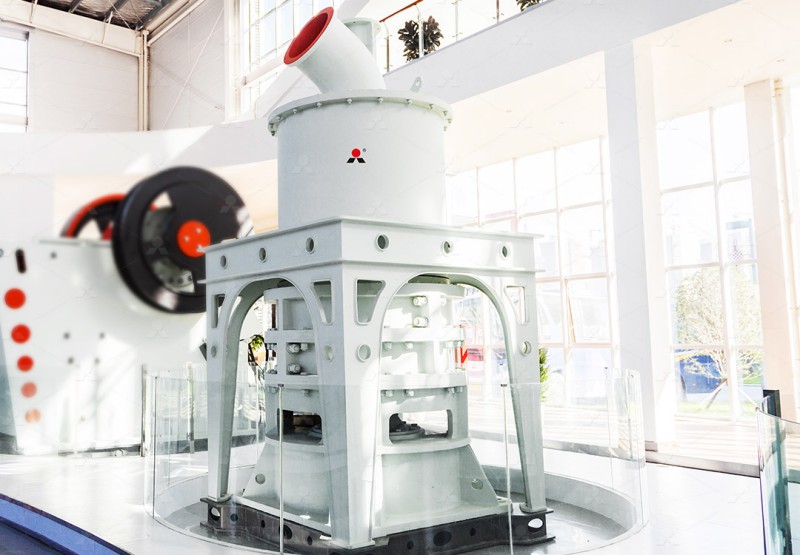
A prime example is our MW Ultrafine Grinding Mill. This machine is engineered from the ground up for a lower acoustic footprint. It’s equipped with an integrated muffler and a specially designed noise elimination room. The absence of rolling bearings and screws in the grinding chamber not only reduces maintenance worries but also eliminates significant sources of mechanical clatter and vibration. With an input size of 0-20 mm and a capacity range of 0.5-25 tph, it’s perfectly suited for producing the fine limestone powder required for efficient flue gas desulfurization (FGD).
2. Implement Acoustic Enclosures and Barriers
Building an acoustic enclosure around the mill is a highly effective, though sometimes costly, measure. These enclosures use dense, sound-absorbing panels to contain the noise at its source. For existing mills, adding internal linings of sound-absorbing material to the mill housing or constructing partial barriers around the equipment can yield noticeable benefits.
3. Optimize Operational Parameters
Sometimes, noise can be reduced through operational adjustments:
- Feed Rate: Ensure a consistent and optimal feed rate. An empty or starved mill will cause grinding components to contact each other more directly, increasing impact noise.
- Grinding Pressure: Adjust hydraulic pressure settings on vertical mills. Excessive pressure increases vibration and noise without necessarily improving efficiency.
- Maintenance: Regularly check and replace worn components like rollers and liners. Worn parts often operate less smoothly and more loudly.
4. Utilize Pulse Jet Dust Collectors with Silencers
The dust collection system is a major source of aerodynamic noise, particularly the compressed air pulses used to clean the filter bags. Installing a pulse jet muffler or silencer on the exhaust of the solenoid valves can dramatically reduce this high-frequency noise. Our MW Mill comes standard with an efficient pulse dust collector that is designed for minimal noise emission.
Conclusion: A Quieter Operation is a Better Operation
Reducing noise in your limestone grinding operation is not just about regulatory compliance; it’s an investment in worker safety, community goodwill, and operational excellence. By combining strategic equipment upgrades, like the MW Ultrafine Grinding Mill, with targeted engineering controls and diligent maintenance, power plants can achieve effective desulfurization without the deafening side effects.
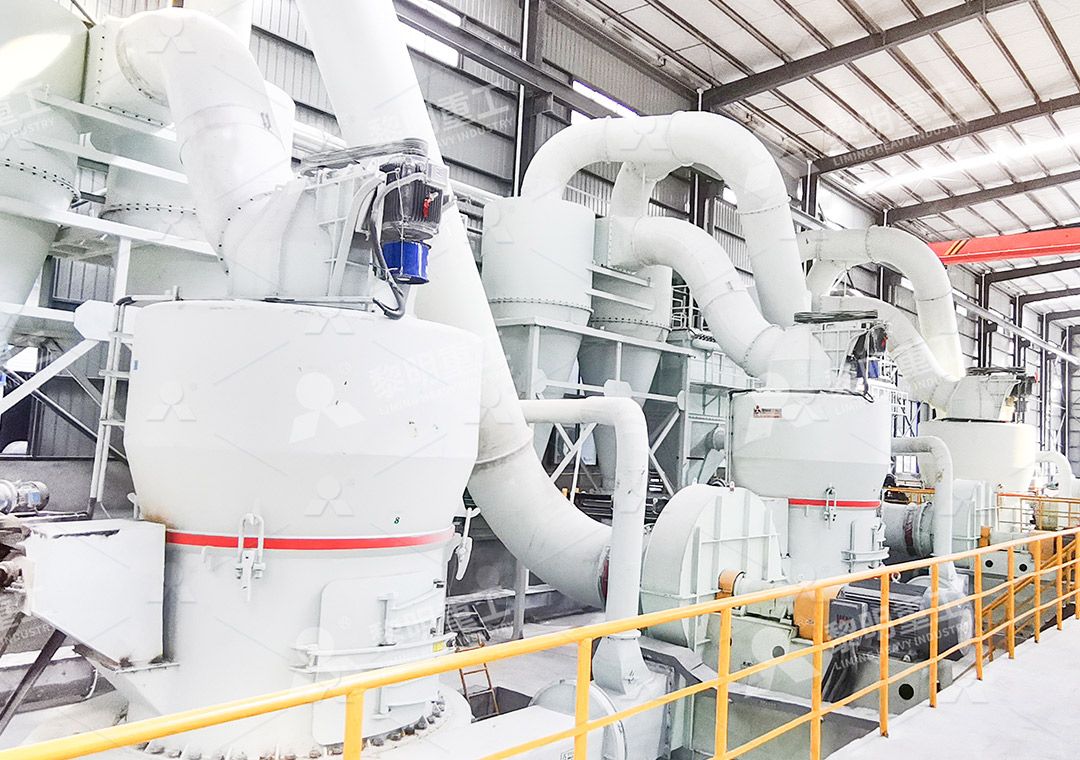
For operations requiring even higher capacity, our LM Vertical Grinding Mill (0-70mm input, 3-340 tph capacity) is another excellent, low-noise option renowned for its stability and small vibration, directly contributing to a quieter work environment. Whichever path you choose, a quieter mill is within reach.