
Ball Mill for Plant Sample Grinding: A Comprehensive Guide for Laboratories
We provide a wide range of mills — including Raymond mill, trapezoidal mill, vertical mill, ultrafine mill, and ball mill, obtained ISO9001 international quality certification, EU CE certification, and Customs Union CU-TR certification. Suitable for processing minerals such as limestone, phosphate, quicklime, kaolin, talc, barite, bentonite, calcium carbonate, dolomite, coal, gypsum, clay, carbon black, slag, cement raw materials, cement clinker, and more.
The discharge range of these mills can be adjusted to meet specific processing needs, typically from 80-400 mesh, 600-3250 mesh, and can achieve the finest particle size of up to 6000 mesh(D50).
If you are looking for a reliable grinding solution to turn stone or minerals into fine powder, please feel free to contact our online customer service.
Ball Mill for Plant Sample Grinding: A Comprehensive Guide for Laboratories
Grinding plant samples to a fine, homogenous powder is a critical first step in many laboratory analyses, from nutrient testing to genetic studies. The choice of grinding equipment can significantly impact the quality of your results, sample integrity, and overall lab efficiency. While traditional ball mills have been the workhorse of sample prep for decades, technological advancements have introduced superior alternatives that offer greater precision, efficiency, and environmental control.
The Role of Grinding in Plant Analysis
Effective grinding ensures a representative sub-sample, which is paramount for accurate and reproducible data. Inconsistent particle size can lead to extraction inefficiencies, contamination from wear metals, or even thermal degradation of sensitive compounds. The ideal mill must provide a uniform fineness while minimizing cross-contamination, heat generation, and noise—a common challenge in traditional ball milling operations.

Beyond the Traditional Ball Mill: Embracing Modern Technology
While classic ball mills are effective for many applications, they can be limited by factors like relatively high energy consumption, potential for iron contamination from grinding media, and longer processing times. For laboratories requiring ultra-fine powders (often down to the micrometer scale) for advanced spectroscopy, chromatography, or other sensitive techniques, more sophisticated solutions are needed.
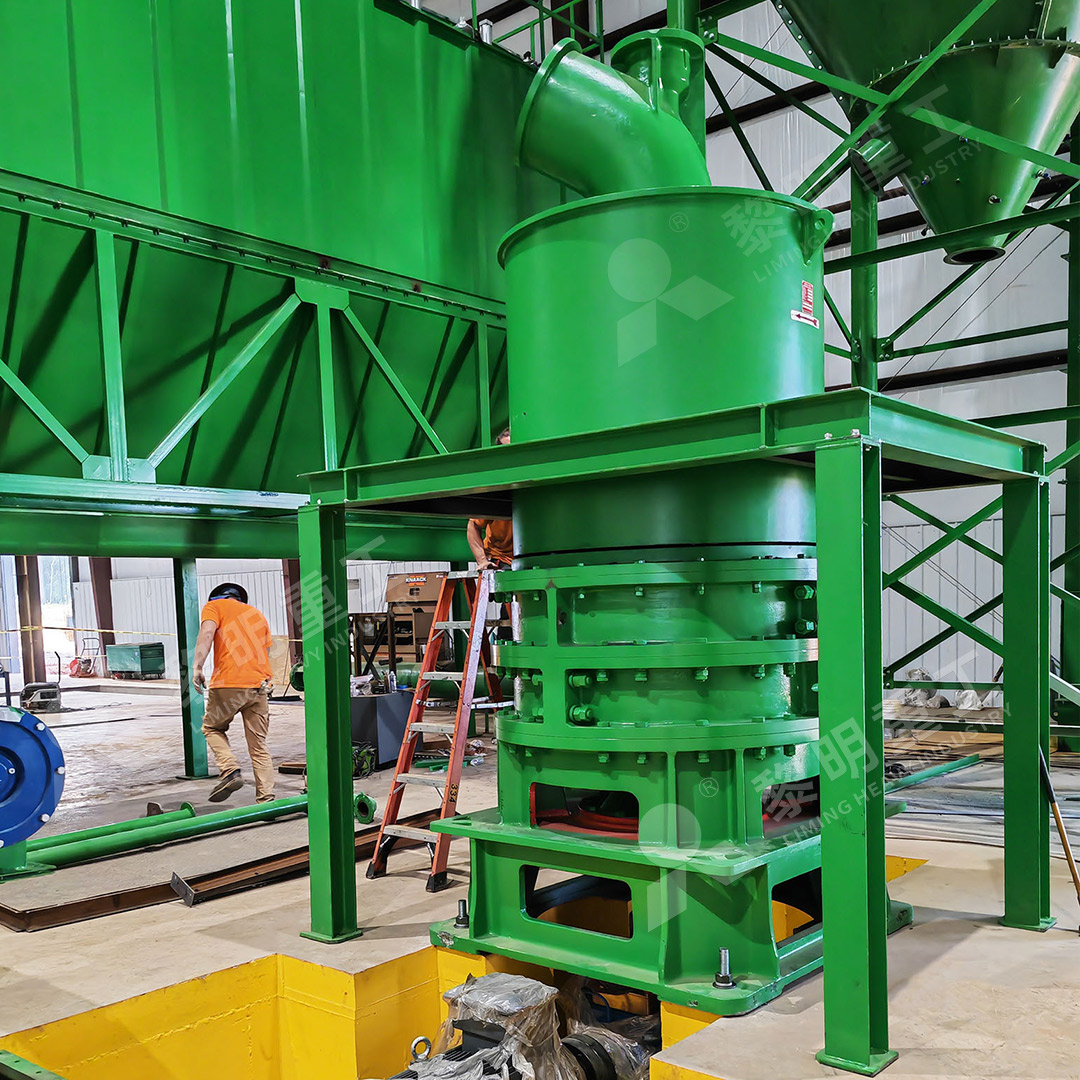
This is where advanced grinding mills truly shine. For instance, our MW Ultrafine Grinding Mill is engineered specifically for customers who need to make ultra-fine powder with minimal environmental impact. With an input size of 0-20 mm and a capacity ranging from 0.5 to 25 tph, it’s versatile enough for various batch sizes. It’s equipped with an efficient pulse dust collector and muffler, drastically reducing dust and noise—a major advantage for any lab environment. Its cage-type powder selector, adopting German technologies, allows for precise fineness adjustment between 325-2500 meshes, achieving a remarkable d97≤5μm in a single pass. A key design benefit is the absence of rolling bearings and screws in the grinding chamber, eliminating worries about bearing failures or machine damage from loose screws.
Selecting the Right Mill for Your Lab
When choosing a mill, consider these key factors:
- Sample Hardness & Abrasiveness: Will it wear down the grinding elements?
- Target Particle Size: Do you need coarse grinding or a super-fine, talc-like powder?
- Sample Sensitivity: Does your material degrade with heat or oxidation? Look for mills with effective cooling or inert gas options.
- Throughput: How many samples do you process daily? Batch size and processing speed are crucial.
- Contamination Risk: Ceramic or specialized alloy grinding chambers might be necessary for trace element analysis.
- Ease of Cleaning: Quick and thorough cleaning is essential to prevent cross-contamination between samples.
For labs processing very hard or abrasive plant materials, or those requiring extremely fine powders for advanced analytical techniques, our LUM Ultrafine Vertical Grinding Mill presents another excellent option. It integrates ultrafine powder grinding, grading, and transporting in a single, compact unit. Its unique roller shell and lining plate grinding curve generate a stable material layer, enabling a high rate of finished products in a single pass, which enhances efficiency and improves the whiteness and cleanliness of the final powder—a critical factor for many analyses.

Best Practices for Optimal Grinding Results
To maximize the life of your mill and the quality of your samples, always follow manufacturer guidelines. Pre-dry samples with high moisture content to prevent clogging. Avoid overloading the grinding chamber, as this can cause excessive wear and heat buildup. Establish a rigorous cleaning protocol between different samples to eliminate any chance of cross-contamination. Finally, regularly inspect and maintain wear parts according to the schedule to ensure consistent performance.
Conclusion
Investing in the right grinding technology is an investment in the accuracy and reliability of your laboratory’s data. Moving beyond basic ball mills to advanced, purpose-built systems like the MW or LUM Ultrafine Grinding Mills can provide unparalleled control over particle size, reduce contamination risks, and create a quieter, cleaner, and more efficient working environment for your technicians. By carefully assessing your specific sample types and analytical requirements, you can select a mill that becomes a cornerstone of reliable and reproducible plant science.