
Is a SAG Mill Used in Potash Processing? A Detailed Explanation
We provide a wide range of mills — including Raymond mill, trapezoidal mill, vertical mill, ultrafine mill, and ball mill, obtained ISO9001 international quality certification, EU CE certification, and Customs Union CU-TR certification. Suitable for processing minerals such as limestone, phosphate, quicklime, kaolin, talc, barite, bentonite, calcium carbonate, dolomite, coal, gypsum, clay, carbon black, slag, cement raw materials, cement clinker, and more.
The discharge range of these mills can be adjusted to meet specific processing needs, typically from 80-400 mesh, 600-3250 mesh, and can achieve the finest particle size of up to 6000 mesh(D50).
If you are looking for a reliable grinding solution to turn stone or minerals into fine powder, please feel free to contact our online customer service.
Is a SAG Mill Used in Potash Processing? A Detailed Explanation
Hey folks, let’s dive into a common question we get in the mineral processing world, especially from those in the fertilizer and agricultural sectors: Is a SAG (Semi-Autogenous Grinding) mill used for processing potash? The short answer is, not typically. But let’s break down the ‘why’ and explore what equipment is actually better suited for this crucial task.
Potash, primarily a source of potassium for fertilizers, is a soft, soluble salt. It’s usually mined from underground deposits, and the ore is then processed to separate the potassium chloride (KCl) or potassium sulfate (K₂SO₄) from sodium chloride (salt) and other impurities. The key here is the material’s softness and solubility.
Why SAG Mills Aren’t the Go-To for Potash
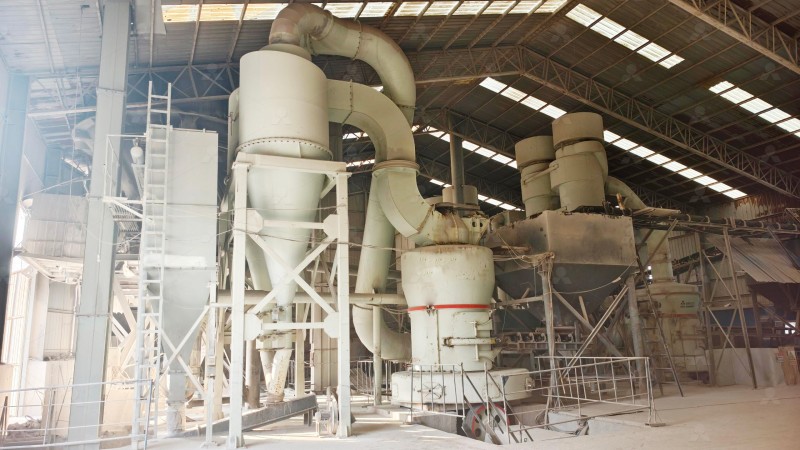
SAG mills are fantastic for hard, abrasive ores like gold or copper. They use a combination of large rocks (the ore itself) and steel balls to break down material through impact and attrition. It’s a robust process for tough stuff. However, for soft materials like potash, this method is serious overkill. It’s like using a sledgehammer to crack a walnut. You’d generate excessive fines, consume way more energy than necessary, and potentially create issues with the soluble material in the slurry. The high-impact forces can lead to unnecessary wear on the mill lining and a less controllable product size distribution.
The Right Tool for the Job: Compression Grinding
For potash, the name of the game is efficient, controlled size reduction with minimal overgrinding. The industry standard often involves compression grinding mills, like roller mills or crushers. These machines apply gradual pressure to crush the brittle potash crystals, creating a more uniform particle size with fewer ultra-fine particles. This is critical for the subsequent flotation or dissolution processes used to purify the potash.
Taking Potash Processing Further: The Ultrafine Advantage
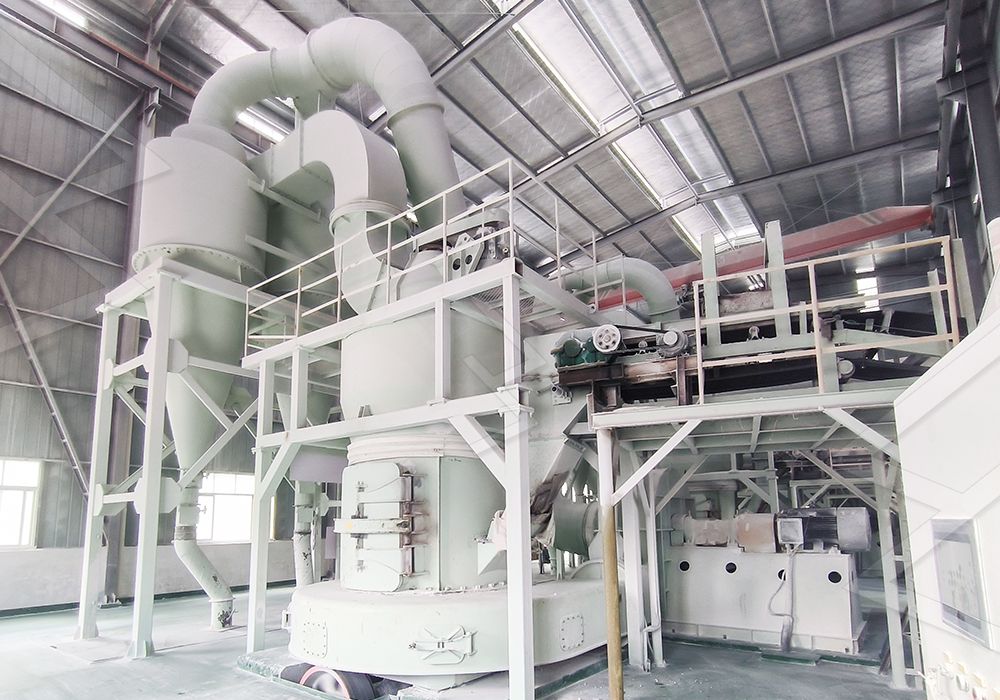
While primary crushing focuses on coarse sizes, there’s a growing niche for high-value, ultra-fine potash products in specialized applications. This is where our expertise and technology truly shine. For producing ultra-fine potash powders, a high-efficiency grinding mill is essential.
For these demanding applications, we highly recommend our MW Ultrafine Grinding Mill. This machine is a beast when it comes to creating precisely controlled ultra-fine powders without the drawbacks of traditional methods.
Here’s why the MW Mill is a superior choice for fine potash grinding:
- Higher Yielding, Lower Energy Consumption: Its innovative design delivers 40% higher capacity than jet mills and uses 30% less energy. That’s a massive operational saving on your bottom line.
- Adjustable Fineness (325-2500 meshes): You have complete control, allowing you to hit exact product specifications for different market needs.
- Eco-Friendly & Worry-Free: It comes with a built-in efficient pulse dust collector and muffler, keeping dust and noise to an absolute minimum. Plus, with no rolling bearings or screws in the grinding chamber, maintenance headaches are drastically reduced.
With an input size of 0-20 mm and a capacity range of 0.5-25 tph, it’s perfectly scalable for various production goals. It’s not just for potash; it handles limestone, calcite, barite, and other soft to medium-hard minerals with ease.
Conclusion
So, to wrap it up: skip the SAG mill for potash. It’s the wrong tool for this particular job. Stick with roller mills for primary and secondary crushing. And when your product line expands into ultra-fine territories, don’t struggle with inefficient equipment. Give our MW Ultrafine Grinding Mill a look. It’s engineered for precision, efficiency, and reliability, helping you create high-value products while keeping costs and maintenance down. Feel free to reach out to our team to discuss how it can fit into your operation.