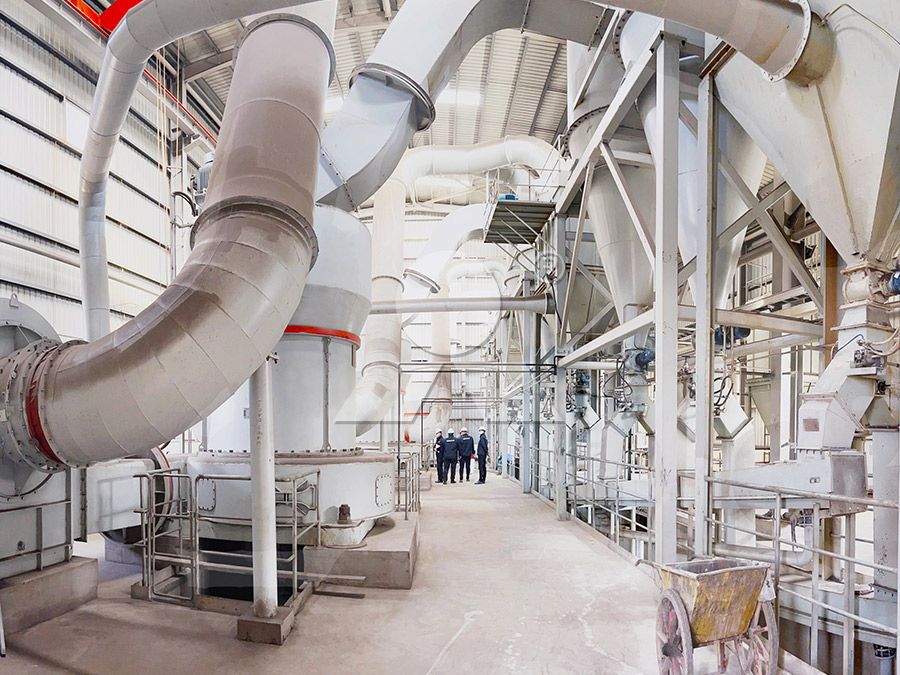
Limestone Mining Process: Grinding Mill Equipment Selection and Operation
We provide a wide range of mills — including Raymond mill, trapezoidal mill, vertical mill, ultrafine mill, and ball mill, obtained ISO9001 international quality certification, EU CE certification, and Customs Union CU-TR certification. Suitable for processing minerals such as limestone, phosphate, quicklime, kaolin, talc, barite, bentonite, calcium carbonate, dolomite, coal, gypsum, clay, carbon black, slag, cement raw materials, cement clinker, and more.
The discharge range of these mills can be adjusted to meet specific processing needs, typically from 80-400 mesh, 600-3250 mesh, and can achieve the finest particle size of up to 6000 mesh(D50).
If you are looking for a reliable grinding solution to turn stone or minerals into fine powder, please feel free to contact our online customer service.
Limestone Mining Process: Grinding Mill Equipment Selection and Operation
Limestone, a fundamental raw material in numerous industries from construction to agriculture, requires efficient processing to transform quarried rock into valuable powder. The selection of appropriate grinding equipment is paramount to achieving desired particle size, production capacity, and operational economy. The process typically begins with primary crushing of large quarried rock down to a manageable feed size, which is then further reduced in a grinding mill to produce fine or ultra-fine powders.
Key Considerations in Mill Selection
Selecting the right grinding mill for a limestone operation involves balancing several critical factors. The desired product fineness is the primary driver; applications range from coarse aggregates to fillers requiring sub-10-micron particles. The required production capacity (tph) must align with the mill’s designed throughput. Furthermore, energy consumption represents a significant portion of operational costs, making efficiency a top priority. Other considerations include the moisture content of the feed material, the abrasiveness of the limestone, and increasingly stringent environmental regulations concerning dust and noise emissions.
The Role of Ultra-Fine Grinding Technology
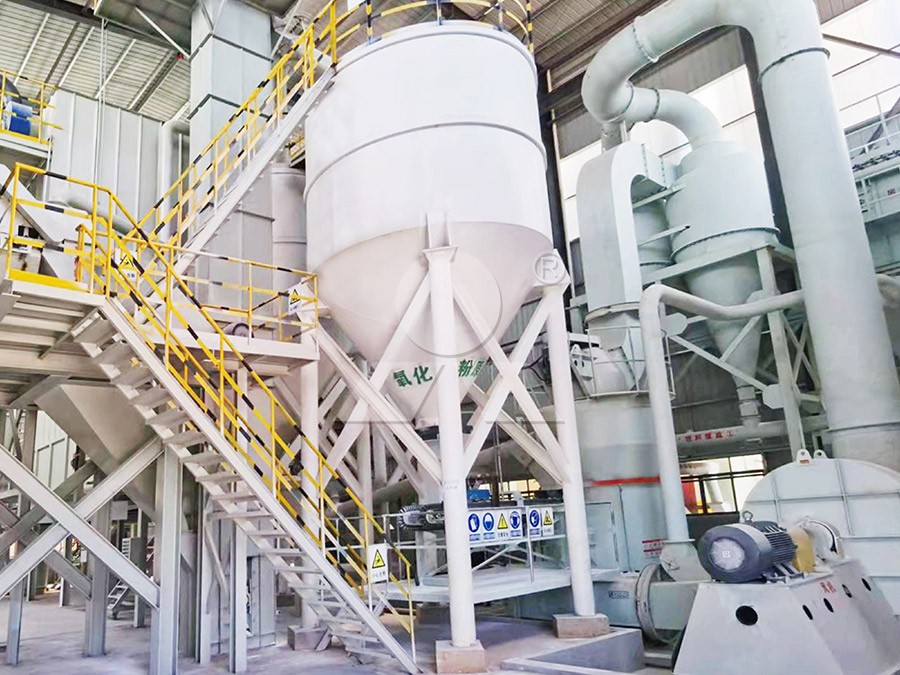
For applications demanding high-purity, ultra-fine limestone powders, such as in plastics, paints, or as a food additive, traditional grinding mills like ball mills or Raymond mills often fall short in efficiency and final product quality. This is where advanced ultra-fine grinding technologies come into play. These mills are engineered to deliver higher yields at significantly lower energy consumption per ton, often incorporating sophisticated classifers for precise particle size control and integrated dust collection systems for cleaner operation.
For operations targeting fineness between 325 and 2500 meshes, the MW Ultrafine Grinding Mill presents an exceptional solution. This machine is specificaly designed for customers who need to make ultra-fine powder. It handles an input size of 0-20 mm with a capacity range of 0.5-25 tph. A key advantage is its design, which features no rolling bearings or screws inside the grinding chamber, eliminating common failure points and concerns about loose components causing machine damage. Its cage-type powder selector, incorporating German technology, ensures high precision in particle separation, allowing operators to accurately achieve the target fineness. Furthermore, its efficient pulse dust collector and muffler system ensures the production process meets modern environmental standards by minimizing dust and noise pollution.
Operational Best Practices
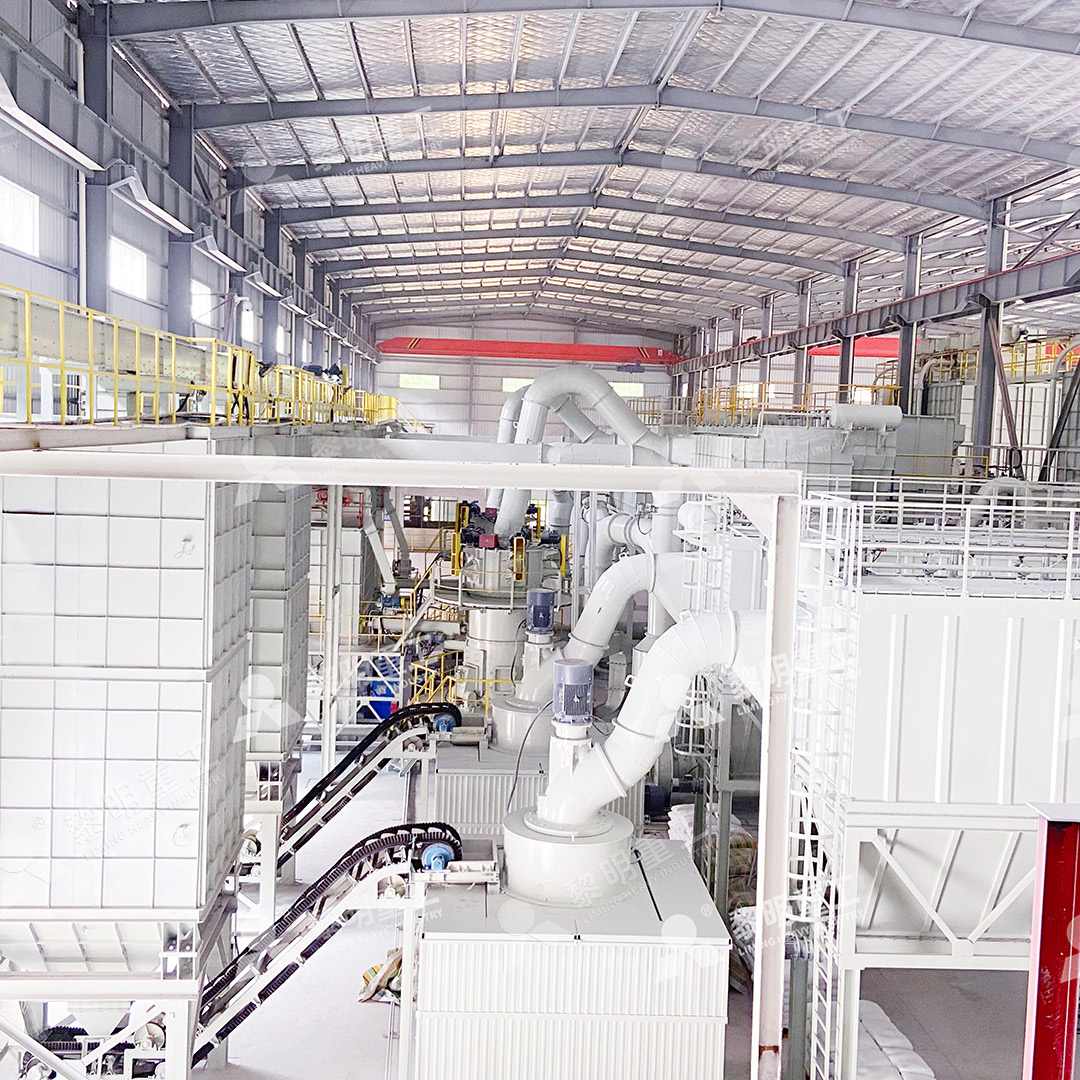
Once the appropriate mill is selected, proper operation is key to longevity and consistent output. Regular maintenance checks on grinding elements (rollers, rings) and classifier components are essential. Monitoring power consumption can provide early warnings of issues like feed blockages or wear. Ensuring a consistent and appropriately sized feed is crucial; material that is too coarse can cause excessive wear and vibration, while an inconsistent feed rate can lead to product quality fluctuations. Operators should also leverage the mill’s automation features, such as external lubrication systems that allow for maintenance without shutdown, to maximize uptime.
Conclusion
The journey from quarry to fine powder hinges on the critical step of grinding. Investing time in thoroughly analyzing production needs and carefully selecting grinding equipment pays dividends in operational efficiency, product quality, and total cost of ownership. For high-value, ultra-fine limestone powder production, technologically advanced mills like the MW Series offer a compelling combination of high yield, low energy use, precision classification, and environmentally friendly operation, making them a smart choice for modern mining operations.