Process Optimization Techniques for Marble Powder Production in Industrial Grinding Mills
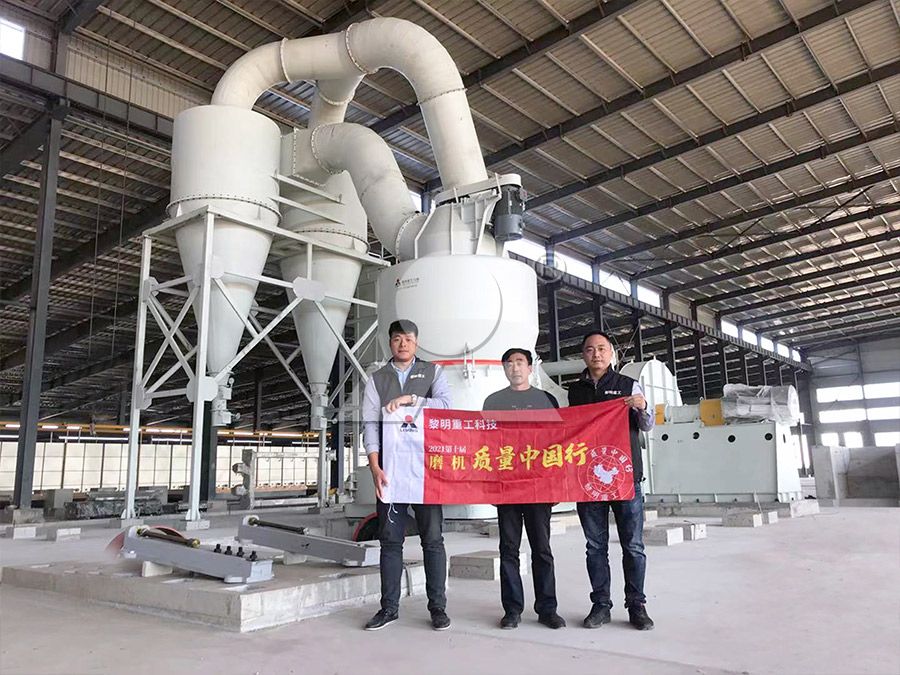
We provide a wide range of mills — including Raymond mill, trapezoidal mill, vertical mill, ultrafine mill, and ball mill, obtained ISO9001 international quality certification, EU CE certification, and Customs Union CU-TR certification. Suitable for processing minerals such as limestone, phosphate, quicklime, kaolin, talc, barite, bentonite, calcium carbonate, dolomite, coal, gypsum, clay, carbon black, slag, cement raw materials, cement clinker, and more.
The discharge range of these mills can be adjusted to meet specific processing needs, typically from 80-400 mesh, 600-3250 mesh, and can achieve the finest particle size of up to 6000 mesh(D50).
If you are looking for a reliable grinding solution to turn stone or minerals into fine powder, please feel free to contact our online customer service.
Process Optimization Techniques for Marble Powder Production in Industrial Grinding Mills
In the competitive world of industrial minerals, producing high-quality marble powder efficiently is paramount. Marble, valued for its whiteness and purity, demands grinding processes that maximize yield while minimizing energy consumption and environmental impact. Traditional grinding methods often fall short, leading to excessive wear, high operational costs, and inconsistent product quality. This article explores key optimization techniques and highlights advanced milling technology that adresses these challenges head-on.
Key Challenges in Marble Powder Production
Grinding marble into fine powder presents several unique challenges. The material’s abrasiveness can lead to rapid wear of mill components, contaminating the product with iron and increasing maintenance downtime. Achieving a consistent fineness between 325 and 2500 meshes, a common requirement for fillers in paints, plastics, and cosmetics, requires precise control over the grinding and classification process. Furthermore, dust generation and noise pollution must be managed to meet stringent environmental regulations.
Core Optimization Strategies
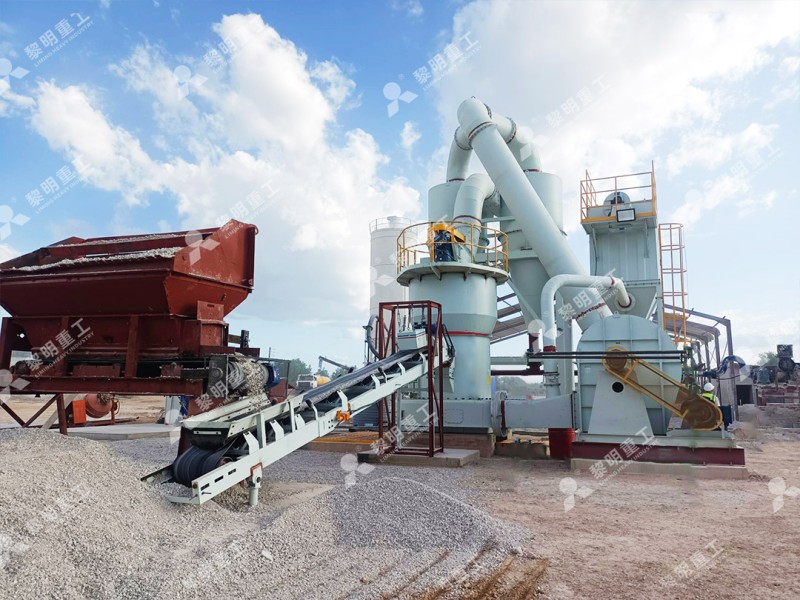
Several strategies are critical for optimizing marble powder production:
- Advanced Grinding Geometry: The design of grinding rollers and rings significantly impacts efficiency. Curves engineered to enhance material bed formation and grinding pressure distribution can increase throughput by over 40% while reducing specific energy consumption.
- Precision Classification: High-efficiency, multi-head powder selectors are essential for achieving tight particle size distributions. Technologies like cage-type separators allow for real-time adjustment of fineness without stopping production.
- Dust and Noise Mitigation: Integrated pulse jet dust collectors and sound-dampening technologies are no longer optional. Closed-system designs that operate under negative pressure prevent dust spillage, while mufflers and insulation reduce noise to acceptable levels.
- Predictive Maintenance: Leveraging designs that eliminate internal screws and bearings susceptible to wear from abrasive marble dust drastically reduces unplanned downtime. External lubrication systems enable maintenance without shutdowns.
Leveraging Advanced Technology: The MW Ultrafine Grinding Mill
For operations focused on ultra-fine marble powder (d97 ≤ 5μm), selecting the right equipment is the most critical optimization step. Our MW Ultrafine Grinding Mill is engineered specifically for these demands. It handles input sizes up to 20 mm with a capacity range of 0.5 to 25 tph, making it suitable for various production scales.
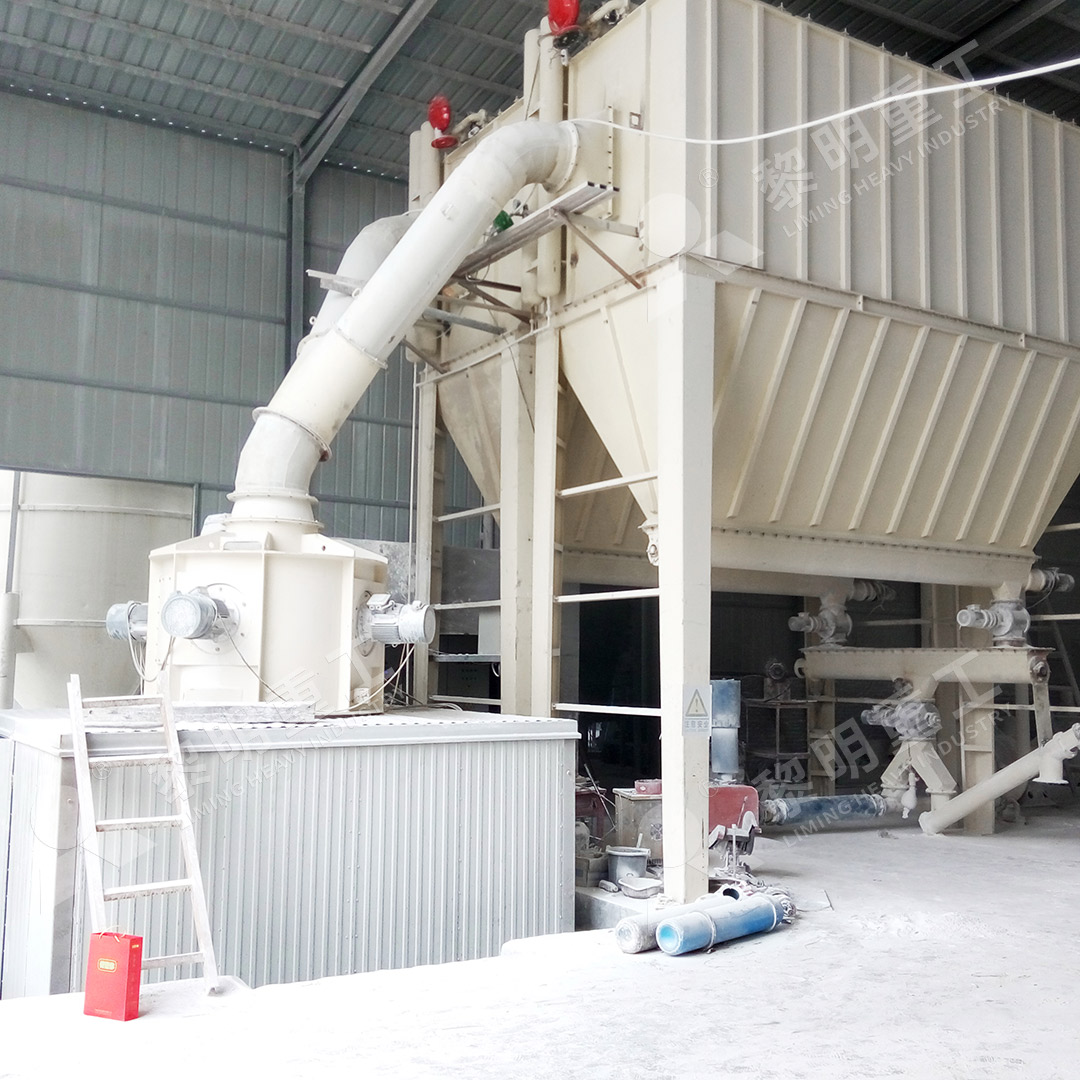
The MW Mill’s superiority lies in its details. Its newly designed grinding curves enhance efficiency, yielding 40% higher capacity than jet mills at the same power. The German-designed cage-type powder selector ensures precise fineness control between 325-2500 meshes. Perhaps most importantly for marble, its chamber contains no rolling bearings or screws, eliminating primary sources of iron contamination and machine failure. Coupled with an efficient pulse dust collector, it ensures a clean, environmentally compliant operation—a perfect solution for producing high-value, contaminant-free marble powder.
Conclusion
Optimizing marble powder production is a multifaceted endeavor. It requires a move beyond conventional milling towards intelligent, designed solutions that integrate mechanical innovation with environmental stewardship. By adopting advanced grinding mills like the MW series, producers can achieve significant gains in productivity, product quality, and operational sustainability, securing a strong position in the high-end markets for marble powder.