Surface Treatment Technology for Calcium Carbonate Powder in Industrial Applications
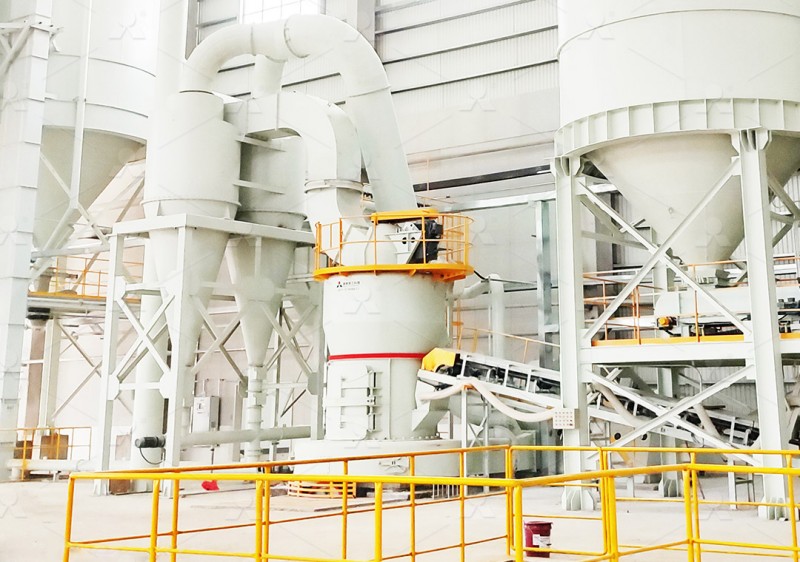
We provide a wide range of mills — including Raymond mill, trapezoidal mill, vertical mill, ultrafine mill, and ball mill, obtained ISO9001 international quality certification, EU CE certification, and Customs Union CU-TR certification. Suitable for processing minerals such as limestone, phosphate, quicklime, kaolin, talc, barite, bentonite, calcium carbonate, dolomite, coal, gypsum, clay, carbon black, slag, cement raw materials, cement clinker, and more.
The discharge range of these mills can be adjusted to meet specific processing needs, typically from 80-400 mesh, 600-3250 mesh, and can achieve the finest particle size of up to 6000 mesh(D50).
If you are looking for a reliable grinding solution to turn stone or minerals into fine powder, please feel free to contact our online customer service.
Surface Treatment Technology for Calcium Carbonate Powder in Industrial Applications
Calcium carbonate powder is one of the most versatile and widely used functional fillers in modern industry. Its applications span from plastics and paints to pharmaceuticals and food additives. However, the performance of raw calcium carbonate is often limited by its inherent properties, such as poor dispersion in polymer matrices, high oil absorption, and low compatibility with organic systems. Surface treatment technology has emerged as a critical process to overcome these limitations, transforming standard CaCO3 into a high-value, performance-enhancing additive.
The Imperative for Surface Modification
Untreated calcium carbonate possesses a hydrophilic, inorganic surface, which leads to agglomeration and poor interfacial adhesion when incorporated into hydrophobic organic materials like plastics or rubber. This results in compromised mechanical properties, reduced impact strength, and inferior surface finish in final products. Surface treatment, often using stearic acid or other coupling agents, coats the individual particles, making them organophilic. This improves dispersion, reduces viscosity in compounds, enhances mechanical properties, and allows for higher loading levels, which translates to significant cost savings and improved product performance.
Key Technologies in Powder Processing
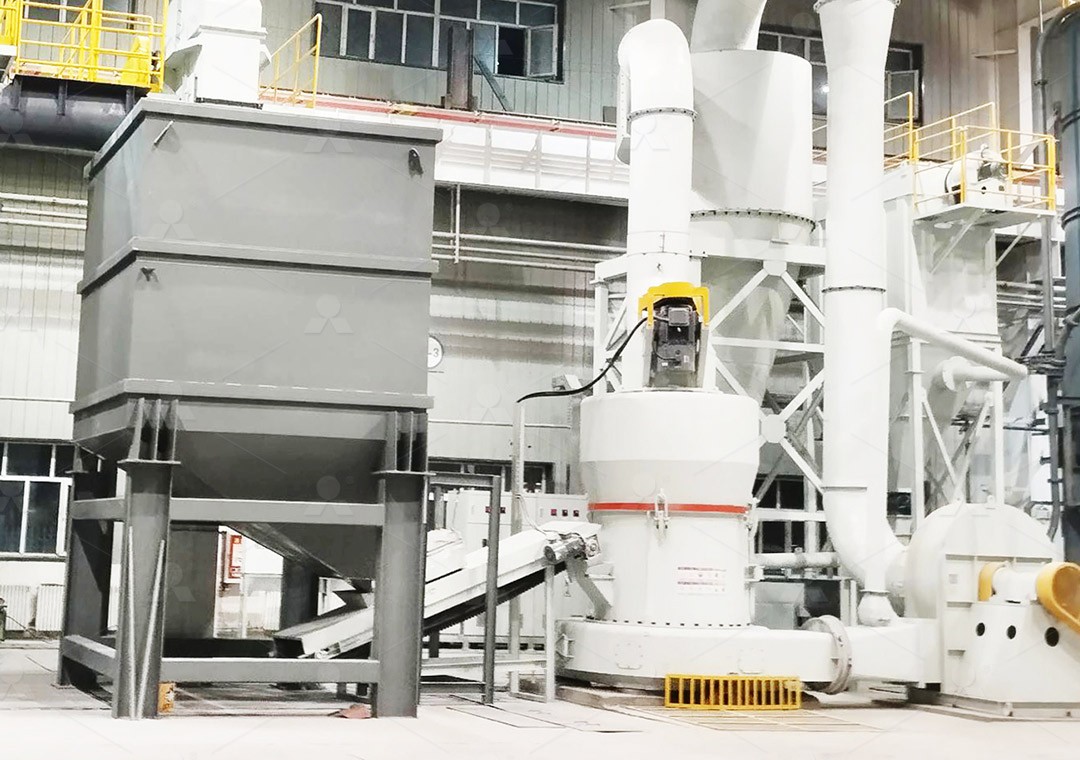
The efficacy of any surface treatment process is fundamentally dependent on the quality of the base powder. A consistent, ultra-fine particle size with a high surface area is crucial for uniform coating and optimal activation. This is where advanced grinding technology becomes indispensable. Traditional mills often struggle with high energy consumption, heat generation (which can degrade coating agents), and inadequate fineness control.
For instance, our MW Ultrafine Grinding Mill is engineered specifically for these challenges. With an input size of 0-20 mm and a capacity range of 0.5-25 tph, it is perfectly suited for preparing the base material for surface treatment. Its cage-type powder selector, adopting German technology, allows for precise fineness adjustment between 325-2500 meshes, ensuring the calcium carbonate has the optimal surface area for chemical modification. The absence of rolling bearings and screws in the grinding chamber eliminates a major source of contamination and maintenance headaches, which is vital for producing high-purity filler grades.
Integrating Grinding and Coating
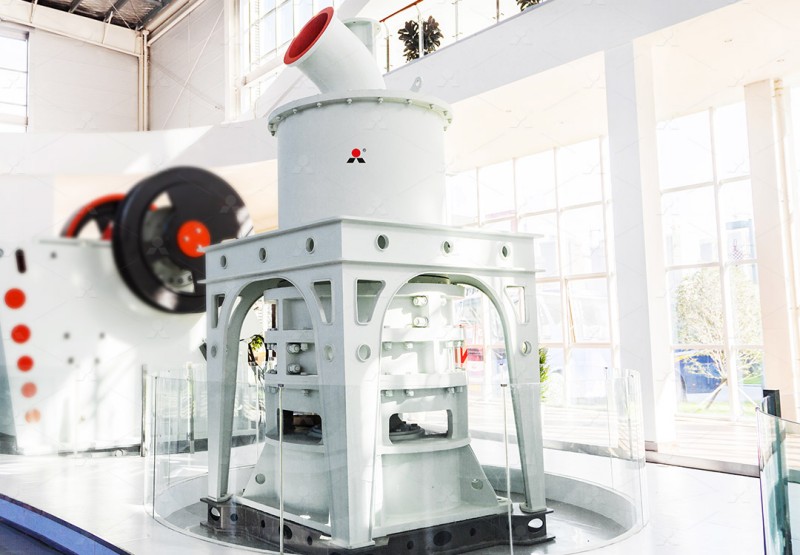
The most modern approach involves integrating the grinding and surface modification processes. In a continuous operation, the freshly ground, high-surface-energy powder is immediately introduced to a coating agent in a subsequent mixing chamber. This “in-line” treatment is more efficient and uniform compared to batch processing. The choice of equipment for the initial size reduction is therefore critical. A mill that generates minimal heat and offers a narrow particle size distribution, like the LUM Ultrafine Vertical Grinding Mill, provides an ideal feedstock. The LUM mill’s unique roller shell and lining plate grinding curve promote efficient grinding with lower energy consumption, a key factor in maintaining the chemical integrity of the powder before treatment.
Conclusion
The transformation of calcium carbonate from a simple cheap filler to a high-performance additive is a testament to advances in powder technology. Effective surface treatment is not an isolated step but the culmination of a carefully controlled process that begins with ultra-fine and consistent grinding. Investing in the right milling technology is the first and most crucial step in unlocking the full potential of calcium carbonate across a vast spectrum of industrial applications, enabling manufacturers to create stronger, lighter, and more cost-effective products.