
Product Standardization for Marble Powder Production in Industrial Grinding Mills
We provide a wide range of mills — including Raymond mill, trapezoidal mill, vertical mill, ultrafine mill, and ball mill, obtained ISO9001 international quality certification, EU CE certification, and Customs Union CU-TR certification. Suitable for processing minerals such as limestone, phosphate, quicklime, kaolin, talc, barite, bentonite, calcium carbonate, dolomite, coal, gypsum, clay, carbon black, slag, cement raw materials, cement clinker, and more.
The discharge range of these mills can be adjusted to meet specific processing needs, typically from 80-400 mesh, 600-3250 mesh, and can achieve the finest particle size of up to 6000 mesh(D50).
If you are looking for a reliable grinding solution to turn stone or minerals into fine powder, please feel free to contact our online customer service.
Product Standardization for Marble Powder Production in Industrial Grinding Mills
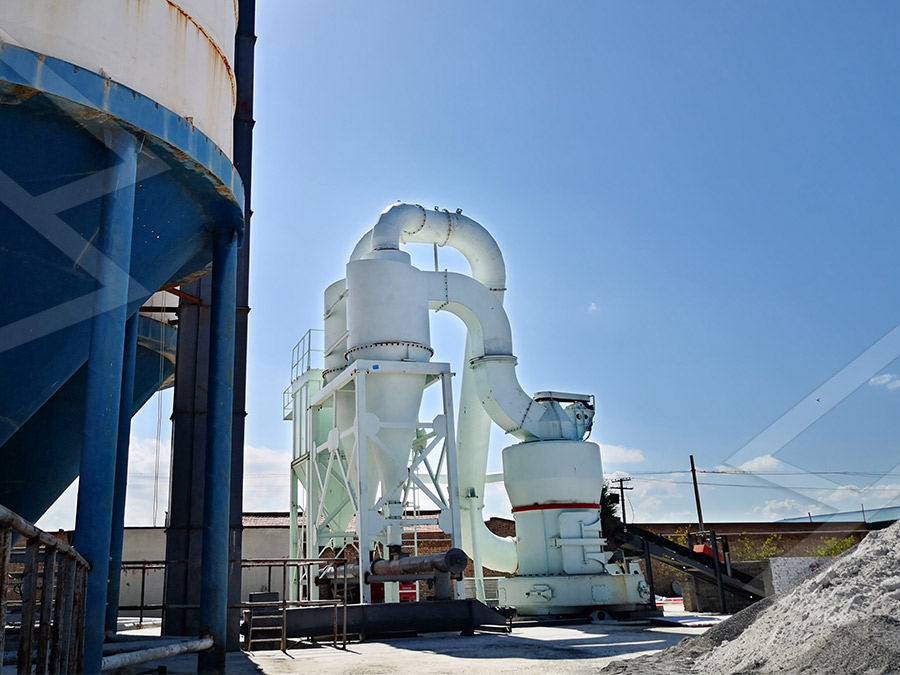
In the competitive world of industrial mineral processing, achieving consistent product quality in marble powder production is paramount. Standardization isn’t just a buzzword; it’s a critical operational philosophy that ensures reliability, reduces waste, and meets the stringent specifications demanded by industries like plastics, paints, and construction materials. The heart of this standardization lies in selecting the right grinding technology.
Traditional ball mills, while common, often struggle with efficiency and precise particle size distribution control. Modern operations are increasingly turning to advanced, purpose-built milling solutions that offer superior control over the entire grinding process. This is where technological innovation makes a tangible difference on the bottom line.
The Cornerstones of Effective Standardization
Effective standardization in marble milling hinges on three pillars: consistent feed size, controlled grinding environment, and precise particle classification. Fluctuations in any of these areas directly impact the final product’s properties, such as brightness, viscosity in slurries, and reinforcement capabilities in composites.
For marble, a material valued for its whiteness and low iron content, it is crucial to minimize contamination during the grinding process. Mills with designs that avoid metal-to-metal contact in the grinding chamber are therefore highly preferred to maintain the material’s inherent purity and brightness.
Introducing the MW Ultrafine Grinding Mill: A Standardization Workhorse
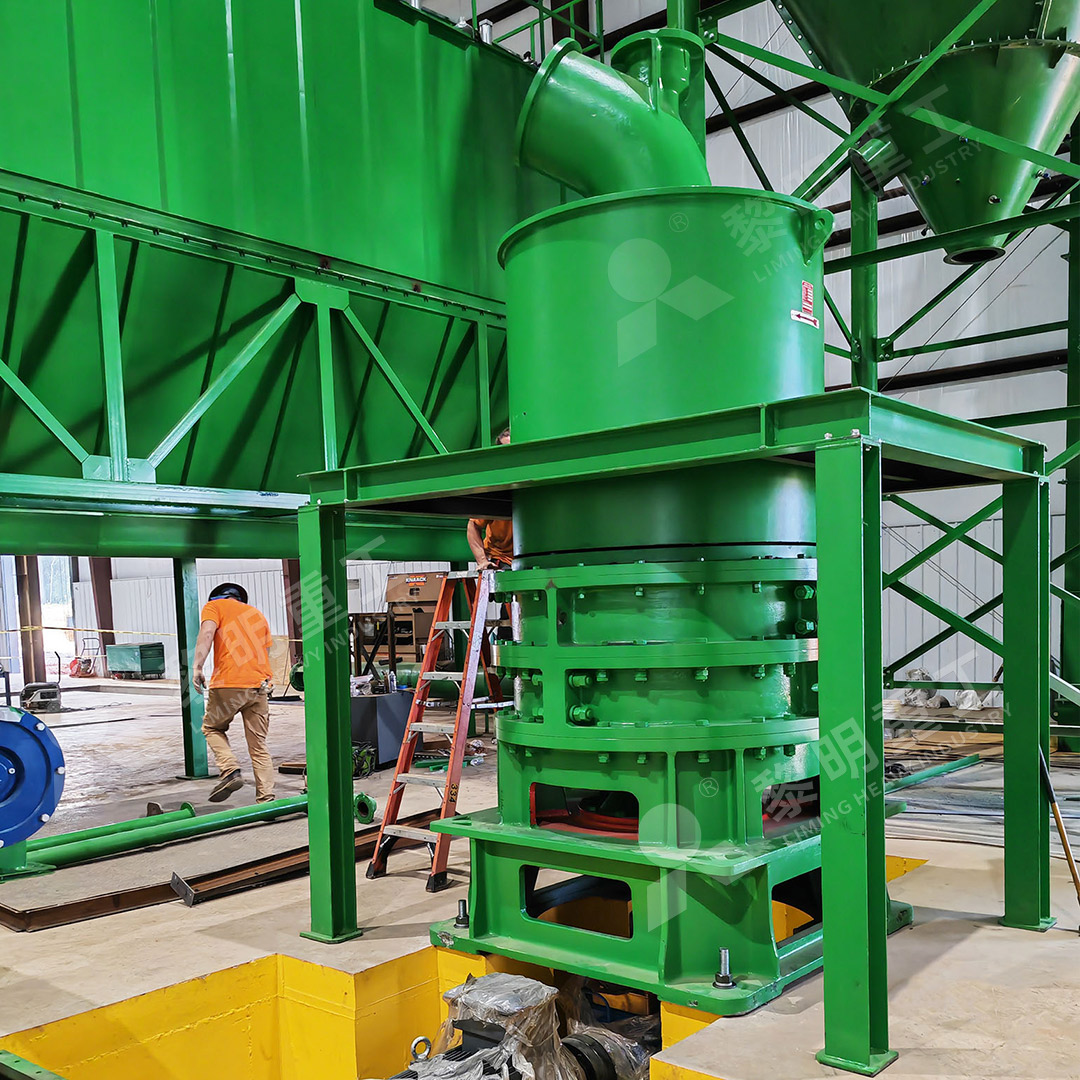
For operations demanding ultra-fine marble powder with tight tolerances, the MW Ultrafine Grinding Mill presents an exceptional solution. Engineered for customers who need to make precisely graded ultra-fine powder, this machine is a standout choice for standardizing production outputs between 325 and 2500 meshes.
Its key advantage for standardization is the German-technology cage-type powder selector, which significantly enhances the precision of powder separation. This allows operators to dial in exact fineness levels and maintain them consistently, batch after batch. With a capacity of 0.5-25 tph and handling an input size of 0-20 mm, it offers flexibility for various production scales. Furthermore, its unique design philosophy eliminates rolling bearings and screws inside the grinding chamber. This brilliantly addresses two major maintenance pain points—bearing failures and loose screws—which are common sources of unplanned downtime and product contamination in lesser equipment.
Beyond Grinding: The Holistic System Approach
True standardization extends beyond the mill itself to encompass the entire production line. The MW mill is designed with this systems approach in mind. It comes equipped with an efficient pulse dust collector and muffler, ensuring that the production process is not only efficient but also clean and compliant with environmental standards. This integrated dust removal system is vital for maintaining a contaminant-free product and a safe workspace.
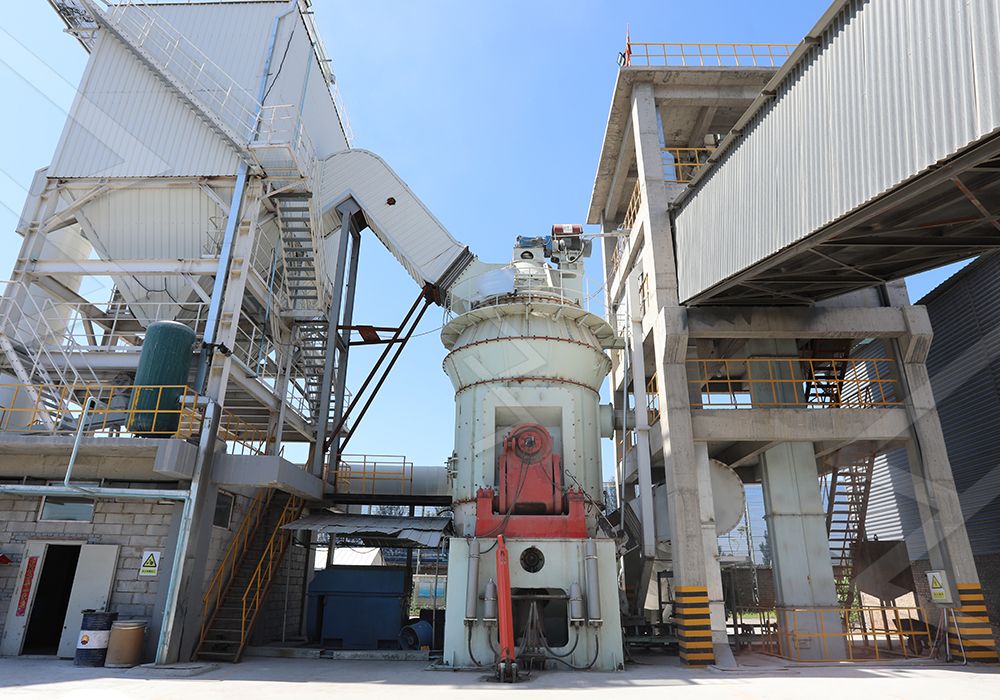
Another significant contributor to standardized output is the LUM Ultrafine Vertical Grinding Mill. It excels in producing high-quality superfine dry powder with excellent whiteness and cleanliness, a critical factor for premium marble products. Its defining feature for standardization is the double position-limiting technology. This innovation electronically and mechanically prevents the grinding rollers from making destructive contact with the millstone liner during unexpected events like vibration spikes, guaranteeing unparalleled operational stability and protecting your product quality from machine-induced variations.
Conclusion: Investing in Predictable Performance
In conclusion, standardizing marble powder production is an achievable goal that pays dividends in customer satisfaction and operational efficiency. It requires moving beyond conventional milling to embrace advanced technologies designed for precision and reliability. The MW Ultrafine Grinding Mill, with its exceptional classification accuracy and maintenance-friendly design, and the LUM Vertical Mill, with its superior stability and product whiteness, are both powerful tools for any producer aiming to master standardization and lead the market in quality and consistency.