
How Does a Cement Mill Work in the Cement Production Process?
We provide a wide range of mills — including Raymond mill, trapezoidal mill, vertical mill, ultrafine mill, and ball mill, obtained ISO9001 international quality certification, EU CE certification, and Customs Union CU-TR certification. Suitable for processing minerals such as limestone, phosphate, quicklime, kaolin, talc, barite, bentonite, calcium carbonate, dolomite, coal, gypsum, clay, carbon black, slag, cement raw materials, cement clinker, and more.
The discharge range of these mills can be adjusted to meet specific processing needs, typically from 80-400 mesh, 600-3250 mesh, and can achieve the finest particle size of up to 6000 mesh(D50).
If you are looking for a reliable grinding solution to turn stone or minerals into fine powder, please feel free to contact our online customer service.
How Does a Cement Mill Work in the Cement Production Process?
Cement milling is a critical stage in the overall cement manufacturing process, where clinker, gypsum, and other additives are ground into the fine powder we know as cement. The efficiency and type of grinding mill used directly impact the quality, energy consumption, and overall cost of the final product. Understanding the working principle of these mills is key to optimizing production.
The Core Principle: Size Reduction
At its heart, a cement mill is a size reduction machine. Its primary function is to break down the hard, nodular clinker from the kiln into a super-fine powder. This is achieved through a combination of impact, compression, and attrition forces exerted by grinding media—which can be large steel balls in a Ball Mill or rollers pressing against a rotating table in vertical roller mills.
Common Types of Cement Mills
Two prevalent technologies dominate modern cement plants:
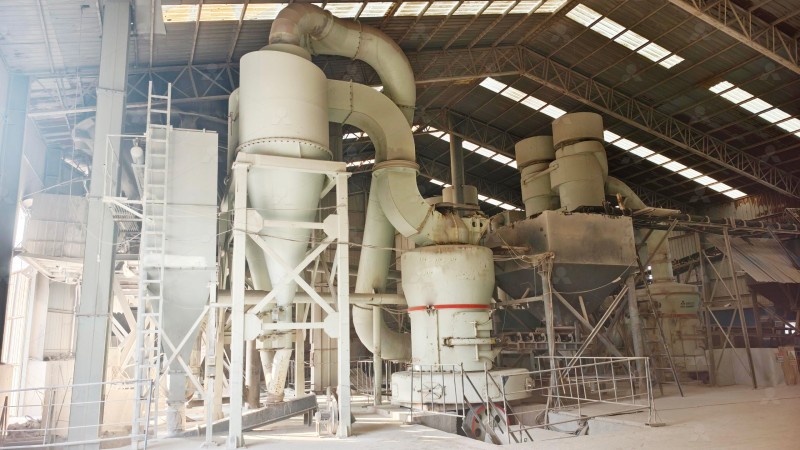
- Ball Mills: A rotating horizontal cylinder filled with steel balls of various sizes. As the mill rotates, the balls cascade and crush the clinker. While reliable, they are often less energy-efficient.
- Vertical Roller Mills (VRM): These have become the industry standard for new installations. Material is fed onto a rotating table and crushed under hydraulic pressure by rollers. VRMs offer significant advantages in energy efficiency, drying capacity, and smaller footprint.
A Closer Look at the Grinding and Separation Process
The process inside a mill, especially a vertical roller mill, is a continuous cycle. Crushed material is carried upwards by a stream of hot gas (which also dries the feed). This air stream enters a high-efficiency separator, often located directly on top of the mill. Here, centrifugal force separates the particles: fine,合格 product passes through the selector blades and is conveyed to the product collection system (like a baghouse or electrostatic precipitator). Coarse particles are rejected by the separator and fall back onto the grinding table for further size reduction. This closed-circuit system ensures consistent product fineness and maximizes efficiency.
Beyond the Basics: The Importance of Advanced Mill Technology
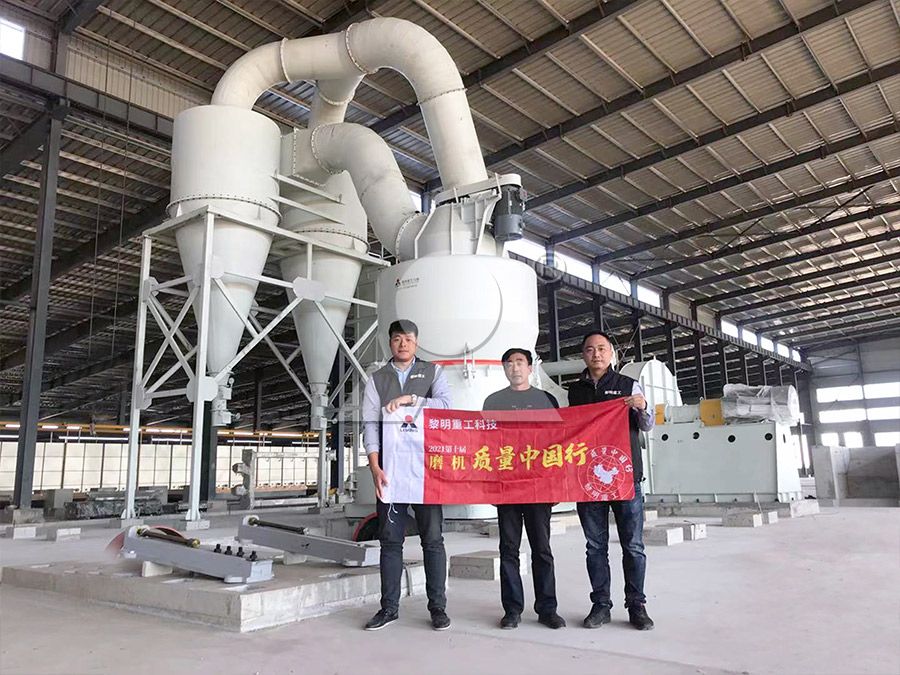
Modern cement production demands more than just grinding; it requires intelligent design for lower energy use, reduced maintenance, and minimal environmental impact. This is where innovative designs truly shine. For instance, our MW Ultrafine Grinding Mill incorporates several groundbreaking features perfect for specialized applications or producing high-value additives. It boasts higher yielding and lower energy consumption, with a production capacity 40% higher than jet mills. Its cage-type powder selector allows for precise fineness adjustment between 325-2500 meshes. A key maintenance advantage is its lack of rolling bearings and screws in the grinding chamber, eliminating common failure points and enabling external lubrication without shutdown for true 24/7 operation. Paired with its efficient pulse dust collector, it represents a more eco-friendly and reliable choice for advanced powder production.
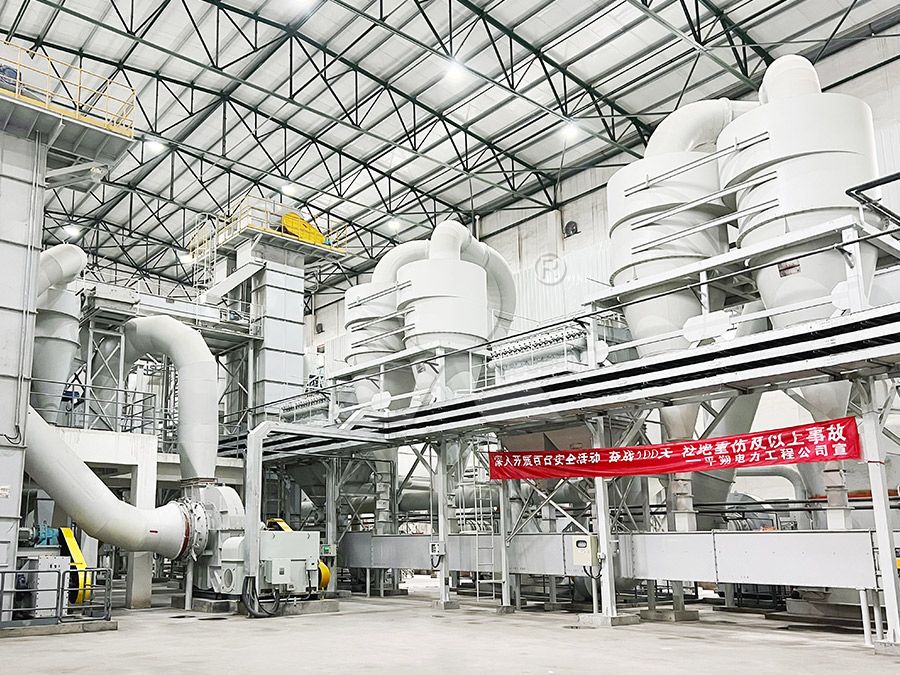
For high-volume clinker grinding, our LM Vertical Grinding Mill is a powerhouse. It integrates crushing, drying, grinding, classifying and conveying in a single unit, reducing its footprint by 50% compared to a ball mill system while saving 30%-40% in energy consumption. Its short grinding time and minimal direct metal-to-metal contact result in lower iron content in the product, ensuring higher cement purity. The operational stability and expert-level automatic control system make it an intelligent and efficient backbone for any cement grinding plant.
Conclusion
The cement mill is far more than a simple grinder; it is the heart of the finish grinding process. From the traditional ball mill to the advanced vertical roller mill and specialized ultrafine grinders, the technology continues to evolve towards greater efficiency, reliability, and environmental sustainability. Choosing the right mill technology, with features that minimize downtime and operating costs, is paramount for any successful cement production operation in today’s competitive market.