Gold Mine Crushing and Milling Process in South Africa: A Complete Guide
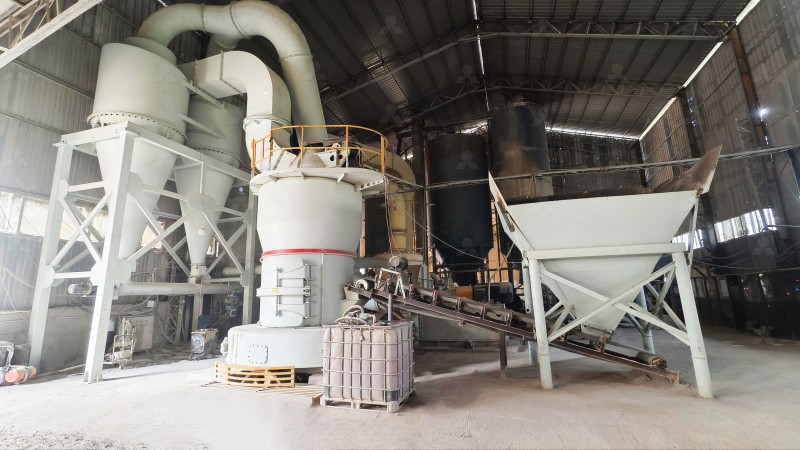
We provide a wide range of mills — including Raymond mill, trapezoidal mill, vertical mill, ultrafine mill, and ball mill, obtained ISO9001 international quality certification, EU CE certification, and Customs Union CU-TR certification. Suitable for processing minerals such as limestone, phosphate, quicklime, kaolin, talc, barite, bentonite, calcium carbonate, dolomite, coal, gypsum, clay, carbon black, slag, cement raw materials, cement clinker, and more.
The discharge range of these mills can be adjusted to meet specific processing needs, typically from 80-400 mesh, 600-3250 mesh, and can achieve the finest particle size of up to 6000 mesh(D50).
If you are looking for a reliable grinding solution to turn stone or minerals into fine powder, please feel free to contact our online customer service.
Gold Mine Crushing and Milling Process in South Africa: A Complete Guide
South Africa’s gold mining industry is a cornerstone of its economy, and efficient extraction and processing are paramount to profitability. The journey from solid rock to fine gold-bearing powder involves a meticulous process of crushing and milling. This guide delves into the key stages and highlights some of the advanced technology making it all possible.
The Initial Stages: From Run-of-Mine to Manageable Fragments
The process begins with the run-of-mine (ROM) ore, which can contain massive rocks. Primary crushing is the first step, typically using a robust jaw crusher to reduce the ore to a size of about 150-200mm. This material is then conveyed to a secondary crusher, often a cone crusher, which further reduces it to a smaller, more uniform size, usually below 50mm.
The Heart of Liberation: The Milling Circuit
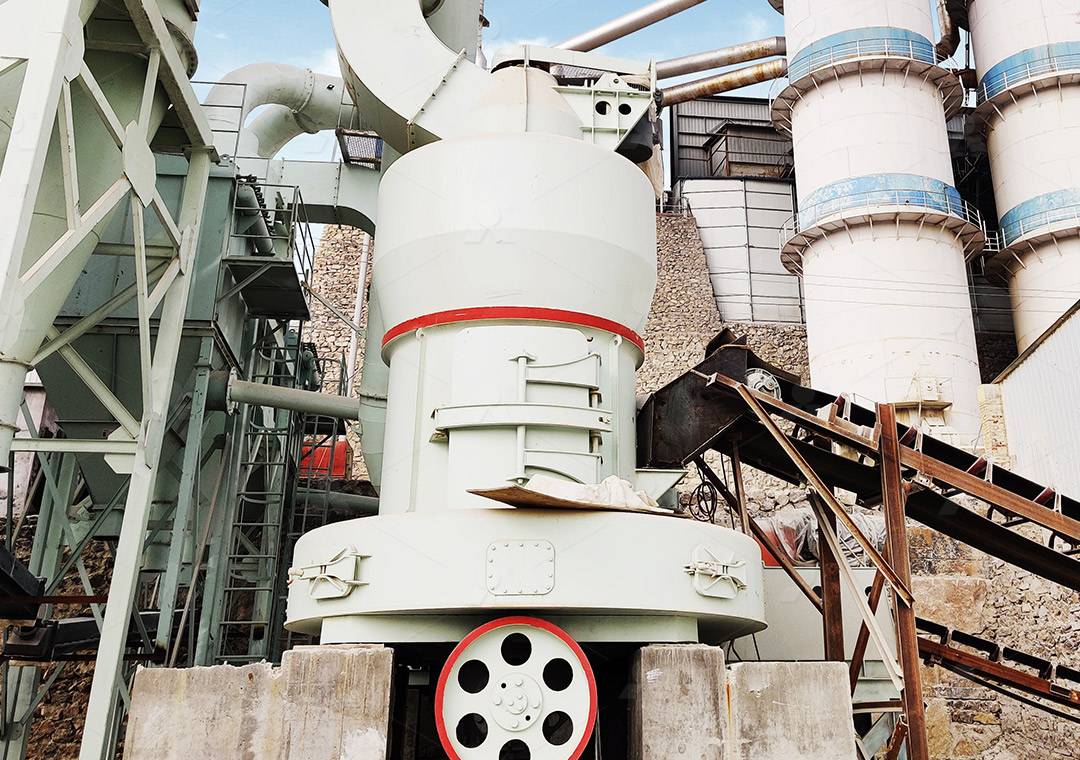
After secondary crushing, the ore is ready for milling – the most critical stage for liberating the microscopic gold particles locked within the host rock. The crushed ore is fed into a grinding mill, traditionally a large ball mill or a SAG (Semi-Autogenous Grinding) mill. Here, steel balls or the ore itself grinds the material into a fine slurry or powder. The goal is to achieve a particle size fine enough to liberate the gold for the subsequent recovery processes like cyanidation or flotation.
The Need for Ultra-Fine Grinding
Some complex ores, particularly those with refractory gold, require even finer grinding to achieve acceptable recovery rates. Standard ball mills can be inefficient and energy-intensive for this task. This is where advanced ultrafine grinding technology becomes a game-changer. For operations looking to maximize yield from difficult ores, investing in a specialized mill is crucial.
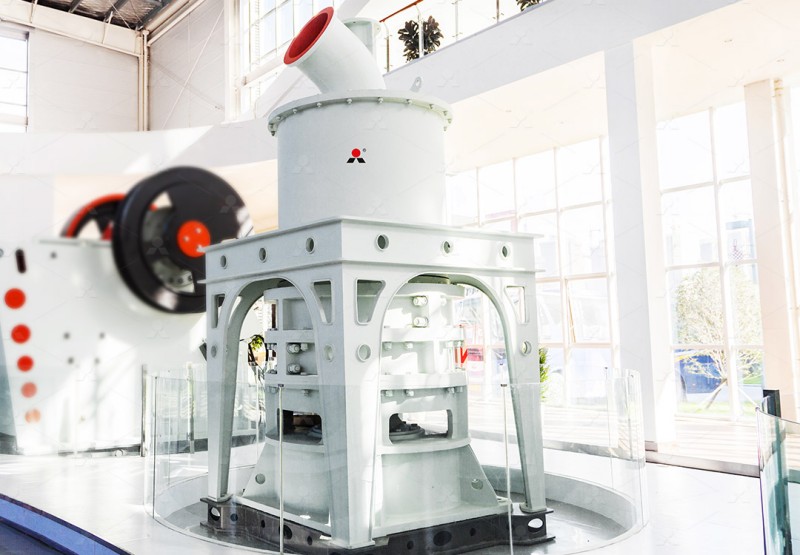
We recommend our MW Ultrafine Grinding Mill for this precise application. Designed for customers who need to make ultra-fine powder, this machine is a perfect fit for liberating stubborn gold particles. With an input size of 0-20 mm and a capacity ranging from 0.5 to 25 tph, it’s versatile for various operational scales. Its higher yielding and lower energy consumption – using only 30% of the energy of a jet mill – directly translate to lower operating costs. The adjustable fineness between 325-2500 meshes allows for precise control over the final product size, ensuring optimal conditions for gold recovery.
Environmental and Operational Considerations
Modern mining operations must prioritize environmental stewardship. Our MW Mill is equipped with an efficient pulse dust collector and muffler, significantly reducing dust and noise pollution. The entire system is designed to have minimal environmental impact, aligning with South Africa’s stringent regulations. Furthermore, its design eliminates rolling bearings and screws in the grinding chamber, virtually eradicating common failure points and allowing for worry-free, continuous 24/7 operation – a critical factor for maintaining production targets.
Conclusion
The crushing and milling circuit is the backbone of any gold processing plant. While the initial stages are about size reduction, the final milling phase is about precision and efficiency. Embracing advanced technology like ultrafine grinding is no longer a luxury but a necessity for maximizing recovery and ensuring operational sustainability. For operations seeking to enhance their milling efficiency and boost gold recovery rates, the MW Ultrafine Grinding Mill presents a robust, efficient, and environmentally conscious solution.