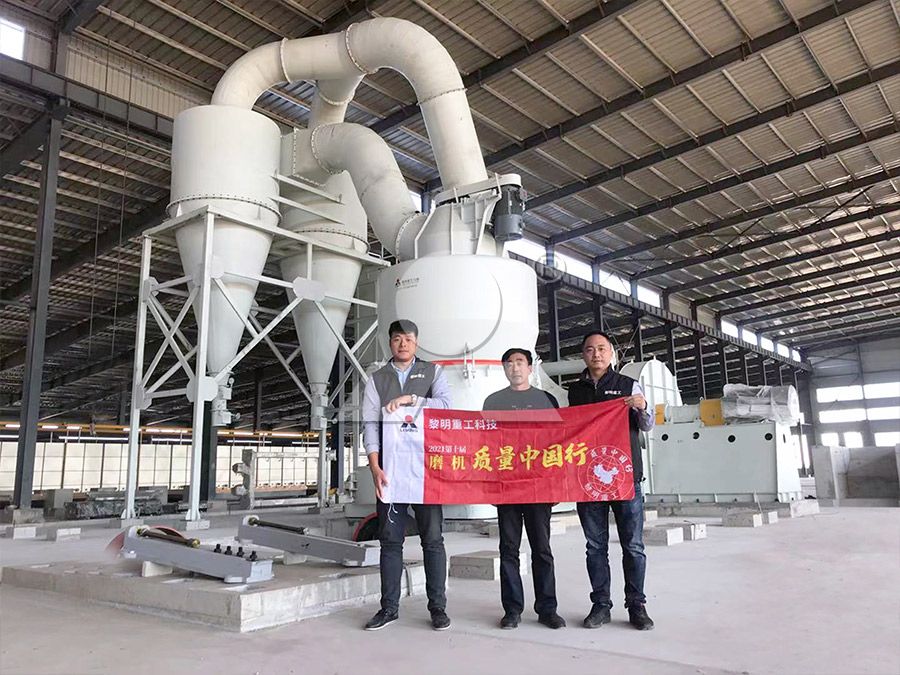
Slag Limestone Grinding Mill Price and Key Selection Factors
We provide a wide range of mills — including Raymond mill, trapezoidal mill, vertical mill, ultrafine mill, and ball mill, obtained ISO9001 international quality certification, EU CE certification, and Customs Union CU-TR certification. Suitable for processing minerals such as limestone, phosphate, quicklime, kaolin, talc, barite, bentonite, calcium carbonate, dolomite, coal, gypsum, clay, carbon black, slag, cement raw materials, cement clinker, and more.
The discharge range of these mills can be adjusted to meet specific processing needs, typically from 80-400 mesh, 600-3250 mesh, and can achieve the finest particle size of up to 6000 mesh(D50).
If you are looking for a reliable grinding solution to turn stone or minerals into fine powder, please feel free to contact our online customer service.
Slag Limestone Grinding Mill Price and Key Selection Factors
When it comes to processing industrial by-products like slag or natural minerals like limestone into fine powders, selecting the right grinding mill is paramount. The choice directly impacts your operational costs, product quality, and overall profitability. While the initial grinding mill price is a significant consideration, it should not be the sole deciding factor. A cheaper machine with lower efficiency and higher maintenance costs will ultimately be more expensive. Here are the key factors to consider before making your investment.
Key Selection Factors for Your Grinding Operation
1. Material Characteristics
Understand your feedstock. What is the input size and hardness? What is the desired output fineness (meshes or microns)? For instance, processing hard slag to a superfine powder requires a more robust and precise mill than grinding softer limestone for coarse filler.
2. Required Capacity (tph)
Your production target is crucial. A mill’s capacity must match your plant’s needs without being excessively oversized, which wastes capital and energy. Under-sizing it leads to bottlenecks.
3. Energy Consumption
This is often the largest portion of the operating cost. Modern mills are designed for higher efficiency, significantly reducing kWh per ton of output compared to older technologies like ball mills.
4. Operational & Maintenance Costs
Consider the longevity of wear parts, ease of maintenance, and availability of spare parts. A machine designed for easy access and with a reliable supply chain for components minimizes costly downtime.
5. Environmental Compliance
Modern operations must control dust and noise. Integrated pulse dust collectors and mufflers are not just accessories; they are essential for meeting environmental standards and ensuring a safe workplace.
6. System Integration
Does the mill integrate easily with your existing crushing, drying, and material handling systems? A well-designed mill should be a seamless part of your production line.
Finding the Right Machine for Slag and Limestone
Based on these factors, two of our standout performers for slag and limestone applications are the MW Ultrafine Grinding Mill and the LUM Ultrafine Vertical Grinding Mill.
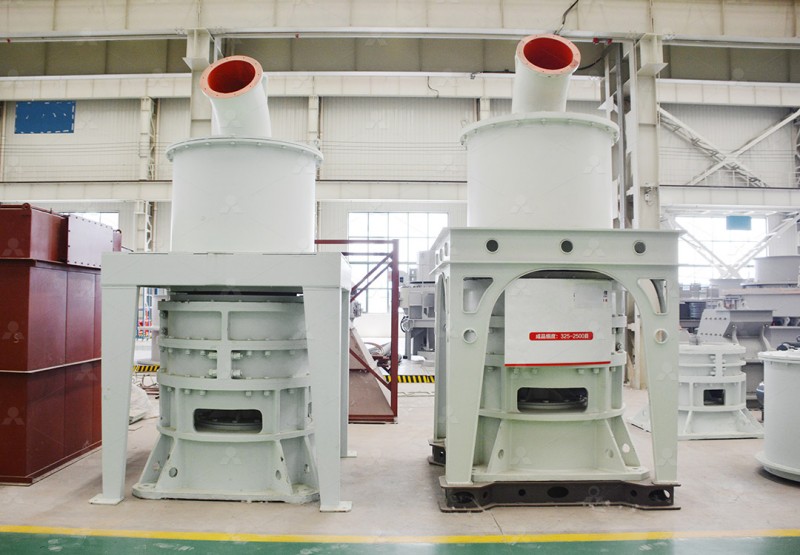
For operations demanding ultra-fine powders between 325-2500 meshes, our MW Ultrafine Grinding Mill is a top contender. It’s engineered for customers who need to make ultra-fine powder efficiently. A key advantage is its innovative design that eliminates rolling bearings and screws in the grinding chamber. This brilliant feature means users are free from worries about damages on bearing or its sealing parts, and there is no machine damage problem caused by loose screws. Furthermore, its cage-type powder selector, adopting German technologies, ensures precise separation and adjustable fineness. With a capacity of 0.5-25 tph and handling input sizes up to 20mm, it’s both versatile and powerful. The efficient pulse dust collector and muffler ensure the entire production process is eco-friendly, reducing dust and noise pollution effectively.
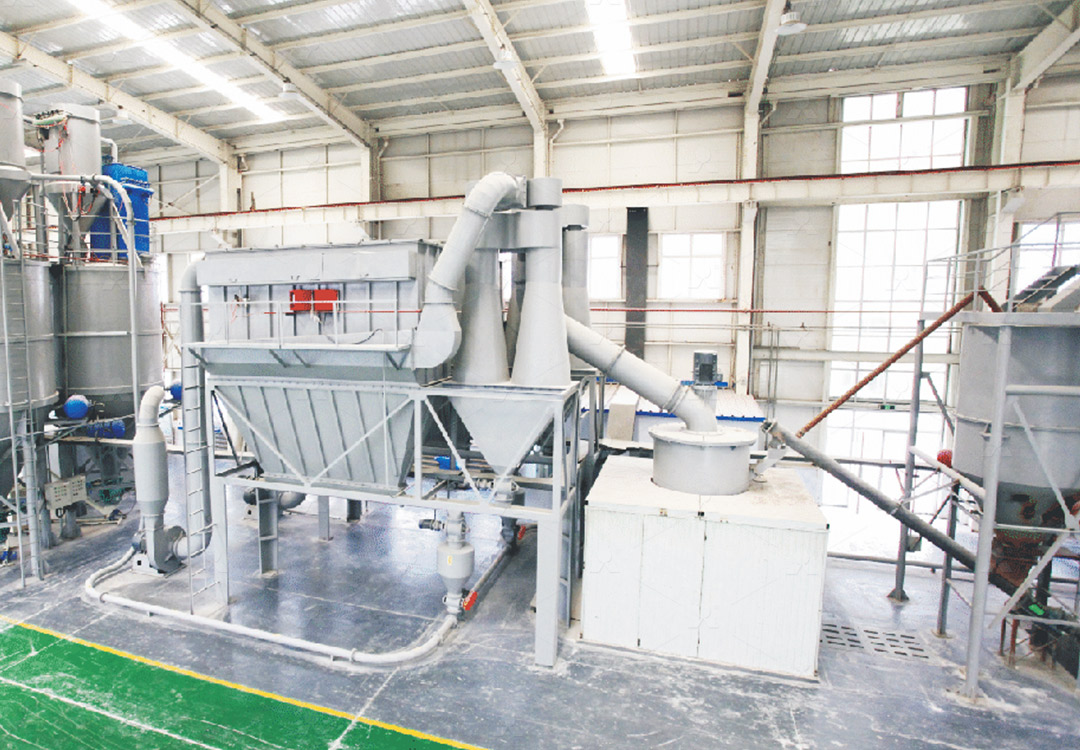
Alternatively, the LUM Ultrafine Vertical Grinding Mill is another excellent choice, integrating grinding, grading, and transporting. It excels with its higher yielding rate and better quality output, thanks to a uniquely designed roller shell and lining plate grinding curve. This design avoids traditional problems like long lingering time and repeated grinding, enhancing efficiency and improving product whiteness. Its multi-head powder separating technology, controlled by a PLC system, reduces energy consumption by 30%-50% compared to common grinding mills. With an input size of 0-10mm and a capacity of 5-18 tph, it’s perfectly suited for precise, high-volume superfine powder production.
Conclusion: Look Beyond the Sticker Price
The initial grinding mill price is just the entry point. The true cost is measured over the machine’s entire lifecycle. Investing in a technologically advanced, energy-efficient, and reliable mill from a reputable manufacturer like us ensures lower operating costs, higher product quality, and minimal downtime. Carefully evaluate your material, capacity, and environmental needs to select the mill that will deliver the best return on investment for your specific slag and limestone grinding applications.