
Common Cement Miller Interview Questions and Answers
We provide a wide range of mills — including Raymond mill, trapezoidal mill, vertical mill, ultrafine mill, and ball mill, obtained ISO9001 international quality certification, EU CE certification, and Customs Union CU-TR certification. Suitable for processing minerals such as limestone, phosphate, quicklime, kaolin, talc, barite, bentonite, calcium carbonate, dolomite, coal, gypsum, clay, carbon black, slag, cement raw materials, cement clinker, and more.
The discharge range of these mills can be adjusted to meet specific processing needs, typically from 80-400 mesh, 600-3250 mesh, and can achieve the finest particle size of up to 6000 mesh(D50).
If you are looking for a reliable grinding solution to turn stone or minerals into fine powder, please feel free to contact our online customer service.
Common Cement Miller Interview Questions and Answers
So, you’re prepping for an interview as a cement miller? Smart move. It’s a technical role, and they’re gonna grill you on the specifics. Having been on both sides of the table, I can tell you what they’re really listening for. It ain’t just about knowing the machine names; it’s about understanding the process, efficiency, and problem-solving. Let’s break down some common questions.
1. “Walk me through your experience with different types of grinding mills.”
This is your chance to show you know your stuff. Don’t just list names. Talk about applications.
- Ball Mills: The old workhorses. Good for general coarse grinding, but they’re energy hogs and can have higher iron contamination. You’d mention experience with feed size and monitoring the grinding media wear.
- Vertical Roller Mills (VRM): Now you’re talking modern efficiency. Highlight your understanding of integrated drying and grinding, lower energy consumption, and how you’d manage parameters like grinding pressure and roller speed. This is where you can really shine.
- Raymond Mills: Older tech, fine for softer materials but limited in capacity and fineness. You might mention them for historical context but focus on more modern solutions.
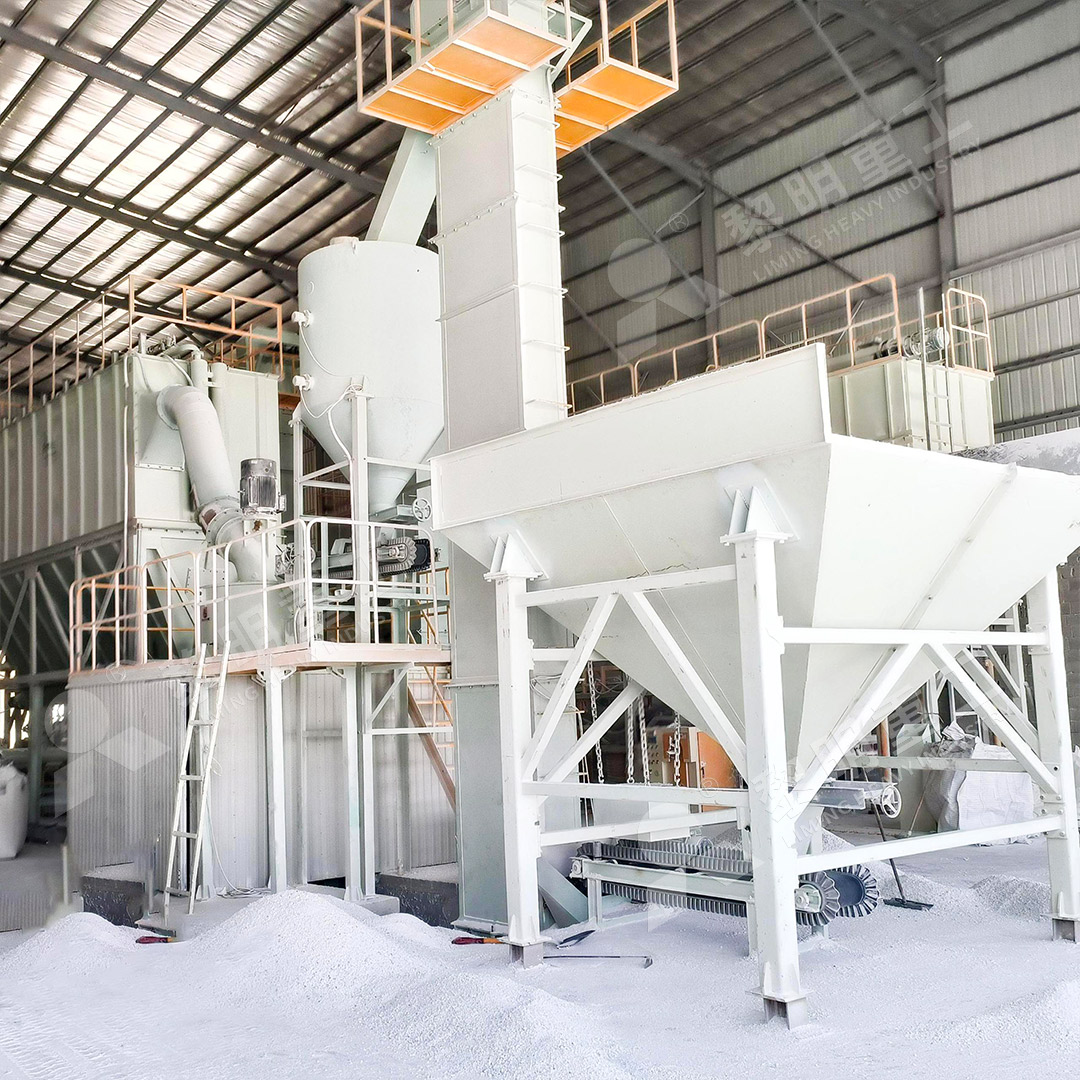
For a truly modern operation, you’d want to talk about ultrafine solutions. A standout piece of equipment I’ve worked with is our MW Ultrafine Grinding Mill. This thing is a beast for producing high-precision powders. It handles a feed size of 0-20 mm with a capacity ranging from 0.5 to 25 tph. The real beauty is its efficiency – it uses about 30% less energy than a jet mill for the same output and can achieve a fineness between 325 and 2500 meshes. Its no-bearing design in the grinding chamber also means way less maintenance drama, which any plant manager loves to hear.
2. “How do you ensure product quality and consistent fineness?”
They want to know you’re detail-oriented. Talk about:
- Regular sampling and sieve analysis.
- Monitoring the separator speed (in modern mills) to adjust fineness on the fly.
- Understanding how feed rate, grinding pressure, and air flow interact. Too fast a feed rate? You’ll get coarse product. Incorrect air flow? You’ll have poor material transport and recovery.
- Keeping an eye on the wear of grinding elements, as worn rollers/balls will drop efficiency and change the product gradation.
3. “Describe a time you troubleshooted a problem with a mill.”
Have a STAR (Situation, Task, Action, Result) example ready. A common one is vibration.
- Situation: The mill started exhibiting unusual vibrations and loud noises, threatening a shutdown.
- Task: Diagnose and resolve the issue without causing significant production loss.
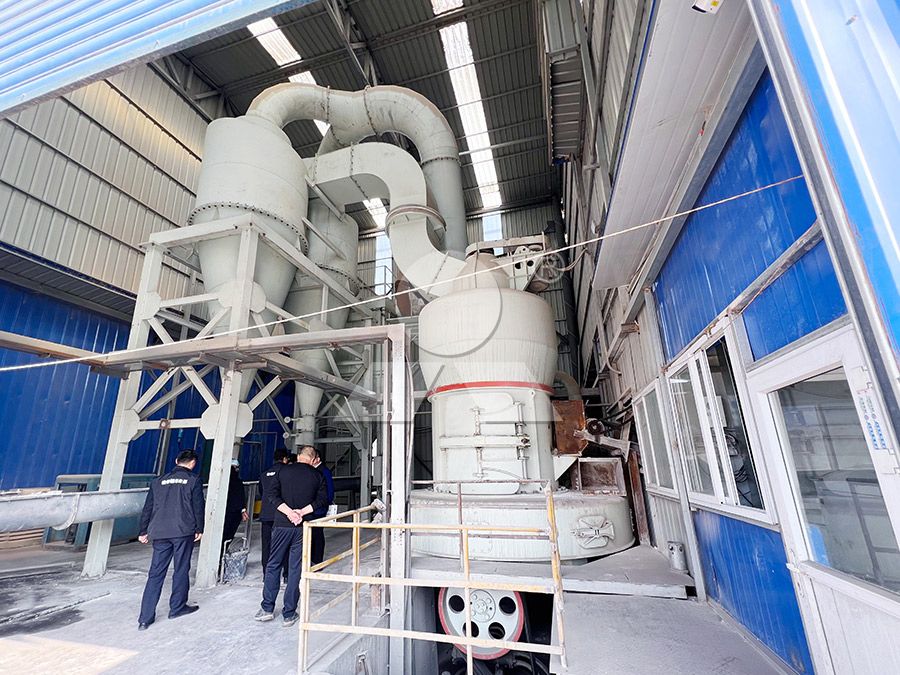
- Action: I immediately checked the feed material for any tramp metal or uncrushables. Finding none, I inspected the grinding roller and liner clearances. I suspected uneven wear or material buildup. We performed an emergency stop, locked out the power, and inspected the grinding chamber. We found a cracked roller shell.
- Result: We followed procedures to replace the roller, checked the alignment of all others, and had the mill back online within a few hours, avoiding a more catastrophic failure. I then recommended a review of our raw material pre-screening process.
4. “What safety procedures are critical when operating or maintaining a grinding mill?”
Never skip this. Emphasize Lockout-Tagout (LOTO) above all else. Those mills have massive inertia and can’t be stopped instantly. Mention confined space entry permits if internal inspection is needed, proper PPE (hearing protection, respirators for dust), and never working on conveying equipment without it being isolated. Safety isn’t a bonus; it’s the price of admission.
5. “How do you approach energy consumption and cost-saving?”
This is a huge deal now. Talk about optimizing the mill load to avoid running half-empty (wasteful) or overloaded (inefficient). Mention monitoring power draw. Discuss the importance of preventative maintenance—a worn-out system works harder and uses more power. This is another area where recommending efficient technology is key.
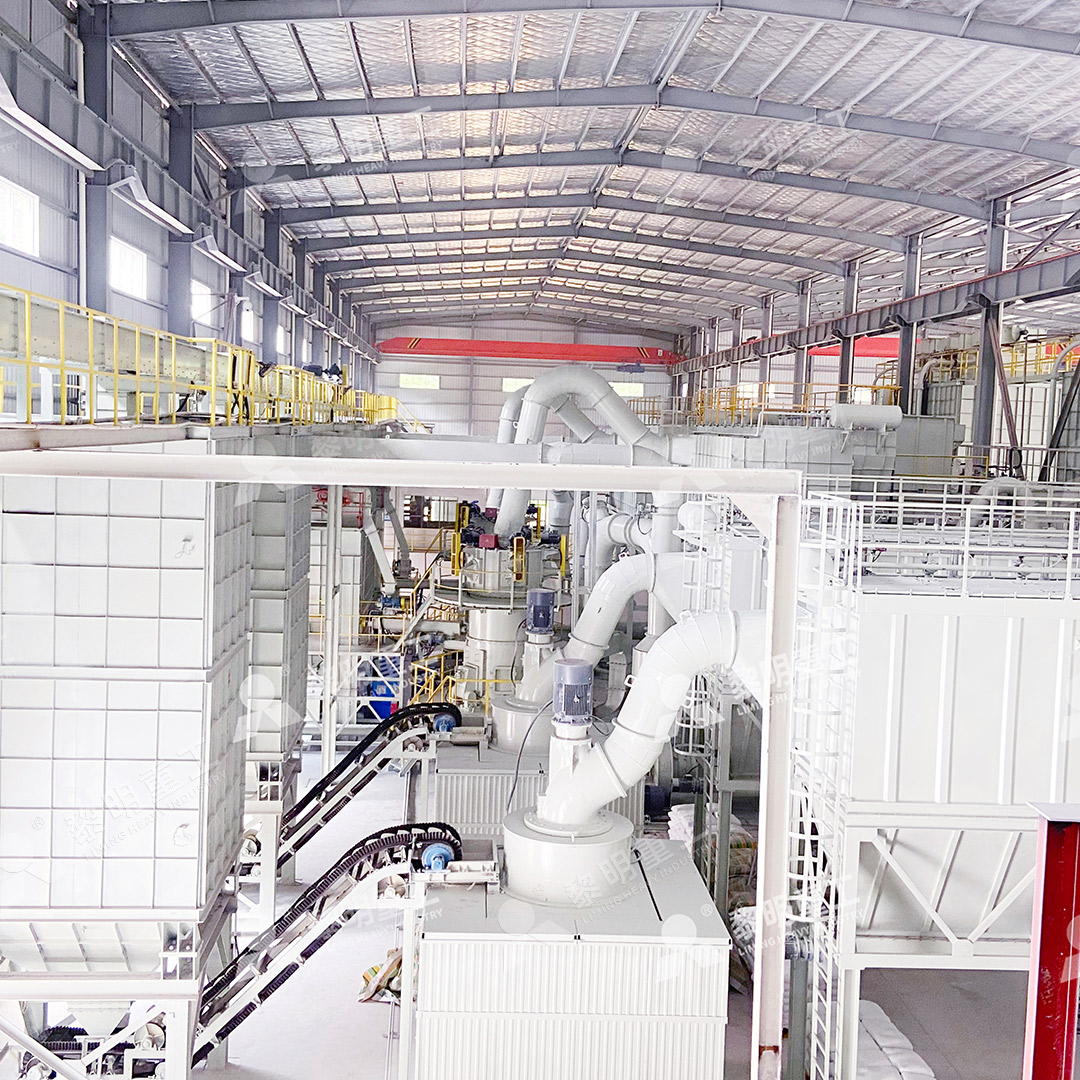
For instance, beyond the MW Mill for ultrafine needs, our LUM Ultrafine Vertical Grinding Mill is another top-tier option for operations looking to upgrade. It’s incredibly precise, thanks to its advanced powder separating technology, and its reversible roller structure makes maintenance and part replacement a breeze, drastically reducing downtime. It’s designed for a feed of 0-10 mm and offers a capacity of 5-18 tph, making it perfect for high-value, superfine powder production.
Final Tip:
Be ready with questions for them. Ask about the specific equipment in their plant, their biggest operational challenges (is it wear parts? energy costs? product consistency?), and their safety culture. It shows you’re engaged and thinking critically. Good luck! You’ve got this.