Key Quality Testing Parameters for Gypsum Powder in Industrial Production
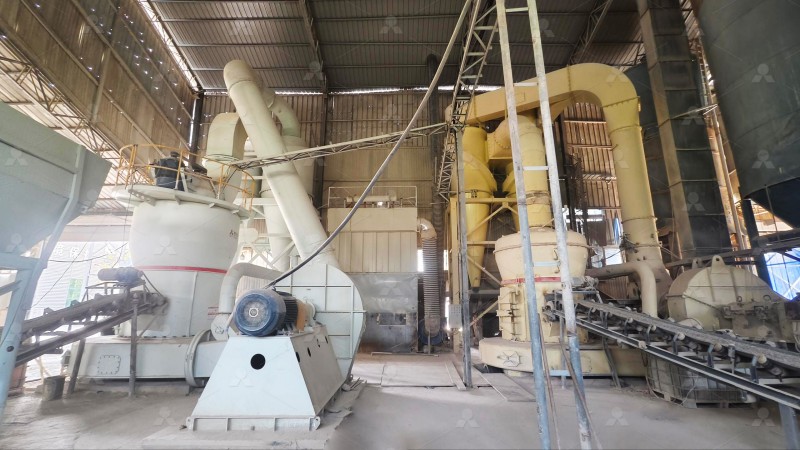
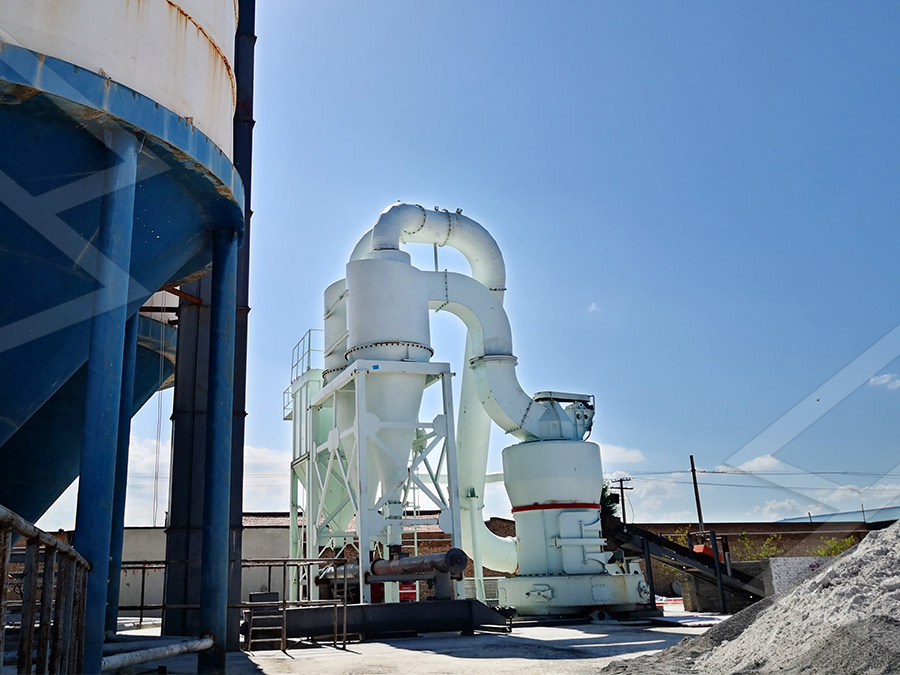
We provide a wide range of mills — including Raymond mill, trapezoidal mill, vertical mill, ultrafine mill, and ball mill, obtained ISO9001 international quality certification, EU CE certification, and Customs Union CU-TR certification. Suitable for processing minerals such as limestone, phosphate, quicklime, kaolin, talc, barite, bentonite, calcium carbonate, dolomite, coal, gypsum, clay, carbon black, slag, cement raw materials, cement clinker, and more.
The discharge range of these mills can be adjusted to meet specific processing needs, typically from 80-400 mesh, 600-3250 mesh, and can achieve the finest particle size of up to 6000 mesh(D50).
If you are looking for a reliable grinding solution to turn stone or minerals into fine powder, please feel free to contact our online customer service.
Key Quality Testing Parameters for Gypsum Powder in Industrial Production
In the world of industrial materials, gypsum powder stands out as a verstaile and critical component. From construction to art, its applications are vast. However, the quality of the final product is paramount and hinges on rigorous testing throughout the production process. Ensuring consistency isn’t just about the final check; it’s about monitoring key parameters from raw material to packaged powder.
1. Particle Size Distribution (PSD)
Perhaps the most critical parameter. The fineness of gypsum powder directly affects its setting time, strength, and workability. A powder that’s too coarse can lead to weak casts, while an overly fine powder might set too quickly. Laser diffraction analyzers are commonly used to ensure a consistent and optimal PSD curve. This is where the grinding equipment truly proves its worth.
2. Moisture Content
Even small deviations in moisture can be disastrous. High moisture content leads to clumping, difficult handling, and potential premature setting within storage silos. It can also negatively impact the calcination process downstream. Loss-on-drying (LOD) methods using precise moisture analyzers are standard practice to keep levels typically below 1%.
3. Chemical Composition (Purity)
Not all gypsum is created equal. The presence of impurities like clay, limestone, or salts can severely degrade the final product’s quality. X-ray fluorescence (XRF) spectrometry is the go-to technique for quantifying the core calcium sulfate dihydrate (CaSO₄·2H₂O) content and identifying impurity levels, ensuring a high-purity output.
4. Setting Time
This is a fundamental performance metric, especially in construction applications. The initial and final setting times must be predictable and consistent with industry standards (e.g., ASTM C472). Vicat apparatus tests are performed routinely to measure how long the gypsum paste remains workable and how quickly it gains strength.
5. Whiteness and Brightness
For many applications, particularly in board manufacturing and decorative plasters, aesthetic appeal is non-negotiable. The whiteness index is measured using spectrophotometers against standard tiles. Consistent, high whiteness is a sign of high purity and optimal processing, free from discoloration caused by iron oxides or other contaminants.
The Role of Precision Grinding Technology
It’s impossible to discuss quality control without highlighting the machinery that makes it possible. Consistent quality starts with consistent milling. Achieving the precise particle size distribution and high purity required for premium gypsum powder demands more than just a standard grinder; it requires advanced, engineered solutions.
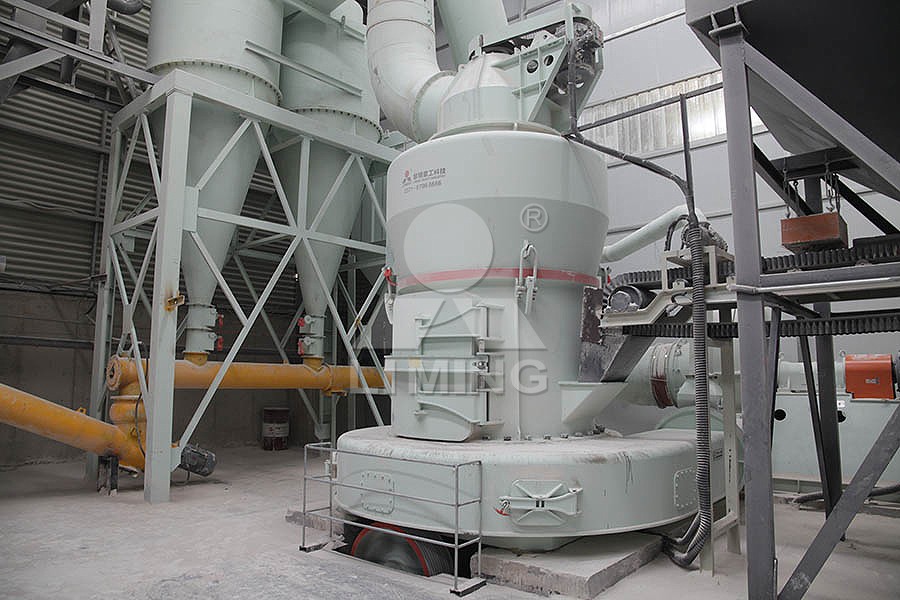
For operations focused on ultra-fine grades without compromising on yield or energy efficiency, the MW Ultrafine Grinding Mill is an exceptional choice. Engineered for customers needing to make ultra-fine powder, this mill is a workhorse. With an input size of 0-20 mm and a capacity range of 0.5-25 tph, it’s versatile for various production scales. Its cage-type powder selector, leveraging German technology, allows for precise fineness adjustment between 325-2500 meshes, which is perfect for dialing in the exact PSD required for specialty gypsum products. A significant advantage is the absence of rolling bearings and screws in the grinding chamber, eliminating common failure points and enabling worry-free, continuous 24/7 operation. Furthermore, its efficient pulse dust collector ensures the production process is clean and environmentally compliant—a critical factor in modern manufacturing.
For larger-scale production requiring robust integration and efficiency, the LM Vertical Grinding Mill is another standout. It integrates crushing, drying, grinding, classifying, and conveying into a single unit, significantly reducing the overall footprint and energy consumption—by 30%-40% compared to ball mills. Its short grinding time minimizes repeated grinding and helps maintain a low iron content in the product, directly contributing to higher whiteness. The operational stability and fully sealed negative-pressure system also guarantee a dust-free and low-noise environment.
Conclusion
Maintaining high-quality gypsum powder isn’t a single-step process; it’s a symphony of controlled parameters supported by reliable, high-performance equipment. From monitoring PSD and moisture to ensuring chemical purity and setting times, each test is a crucial note. Investing in advanced grinding technology like the MW Ultrafine Grinding Mill or the LM Vertical Grinding Mill isn’t just an operational decision—it’s a quality assurance strategy that pays dividends in product consistency, efficiency, and market reputation.