Market Prospect Analysis of Mica Powder Production for Industrial Applications
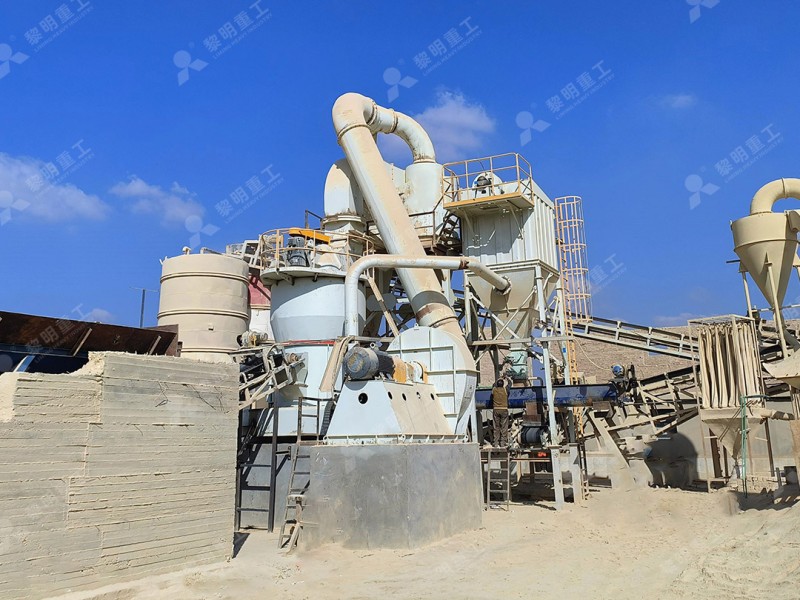
We provide a wide range of mills — including Raymond mill, trapezoidal mill, vertical mill, ultrafine mill, and ball mill, obtained ISO9001 international quality certification, EU CE certification, and Customs Union CU-TR certification. Suitable for processing minerals such as limestone, phosphate, quicklime, kaolin, talc, barite, bentonite, calcium carbonate, dolomite, coal, gypsum, clay, carbon black, slag, cement raw materials, cement clinker, and more.
The discharge range of these mills can be adjusted to meet specific processing needs, typically from 80-400 mesh, 600-3250 mesh, and can achieve the finest particle size of up to 6000 mesh(D50).
If you are looking for a reliable grinding solution to turn stone or minerals into fine powder, please feel free to contact our online customer service.
Market Prospect Analysis of Mica Powder Production for Industrial Applications
Mica powder, a naturally occuring mineral derivative, is experiencing robust growth in demand across a multitude of industrial sectors. Its unique properties, including high dielectric strength, thermal stability, chemical inertness, and excellent reinforcing capabilities, make it an indispensable material. This analysis delves into the market drivers and the critical role of advanced milling technology in meeting this rising demand.
Expanding Industrial Applications Fueling Demand
The versatility of mica powder is its greatest asset. In the paints and coatings industry, it is prized for its ability to enhance durability, prevent corrosion, and improve resistance to weathering. It acts as a filler and extender, reducing costs while improving performance. The plastics and rubber sectors utilize mica to increase stiffness, dimensional stability, and heat resistance in products ranging from automotive parts to consumer goods.
Furthermore, the cosmetics industry leverages its light-diffusing properties to create a shimmering effect in makeup and skincare products. Its electrical insulation properties are crucial in the electronics industry for manufacturing insulating tapes, sheets, and components. This broad spectrum of applications creates a stable and growing market with significant opportunities for producers.

The Technological Imperative: Achieving Ultra-Fine Grinding
The value of mica powder is directly linked to its fineness and purity. Coarse or impure powder fails to deliver the desired performance characteristics, making the choice of grinding equipment paramount. Traditional mills often struggle with the platy structure of mica, leading to inefficient processing, high energy consumption, and potential contamination from worn parts.
Modern production requires mills capable of delivering consistently high yields of ultra-fine powder (often targeting 325 to 2500 meshes) while operating efficiently and with minimal environmental impact. Key considerations include energy consumption, the ability to control fineness precisely, and a design that prevents contamination from metal wear.
Recommended Solution: MW Ultrafine Grinding Mill
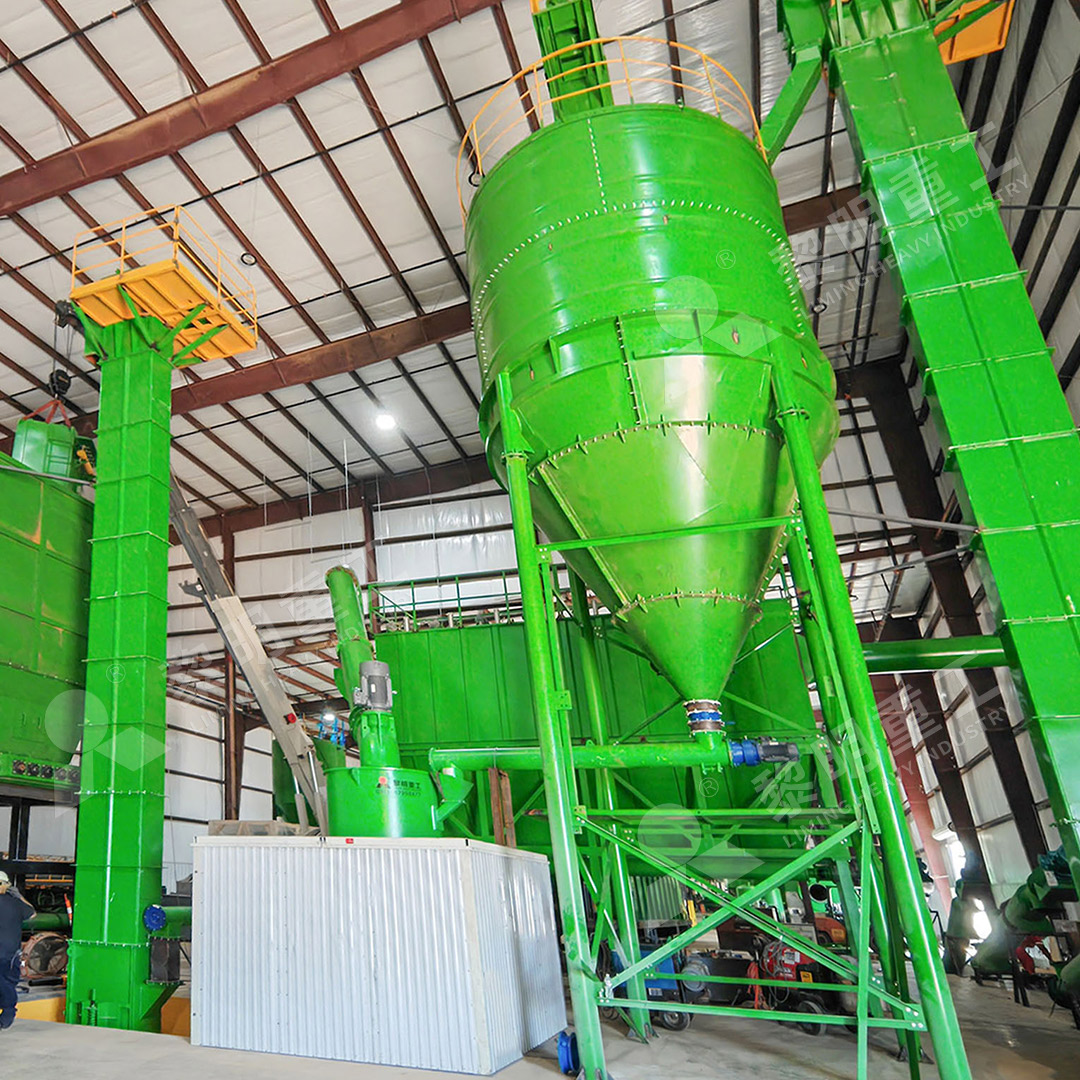
For operations focused on producing high-value, ultra-fine mica powder, the MW Ultrafine Grinding Mill presents an optimal solution. This machine is specifically engineered for customers who need to make ultra-fine powder from minerals like mica.
Its standout features directly address the challenges of mica processing:
- Higher Yielding, Lower Energy Consumption: With a production capacity 40% higher than jet mills and energy consumption only 30% of them, it drastically improves operational economics.
- Adjustable Fineness (325-2500 meshes): A German-technology cage-type powder selector allows for precise control over the final product’s fineness, ensuring it meets specific customer requirements.
- No Rolling Bearing & Screw in Grinding Chamber: This brilliant design eliminates the primary source of metal contamination. Users are free from worries about damaged bearings or loose screws polluting the mica product, guaranteeing a higher purity output.
- Eco-Friendly Operation: An efficient pulse dust collector and muffler system ensure the entire milling process meets stringent environmental protection standards, containing dust and reducing noise.
Future Outlook and Conclusion
The market prospect for mica powder is intrinsically tied to advancements in manufacturing technology. As industries continue to demand higher performance and purity from their raw materials, the ability to efficiently produce superior quality mica powder will be a key differentiator.
Investing in advanced grinding technology, such as the MW Ultrafine Grinding Mill, is not merely an operational upgrade but a strategic move to capture greater market share. By enabling higher yields, lower costs, and contaminant-free production, this technology empowers producers to meet current demands and confidently scale for future growth. The path forward is clear: efficiency and quality, driven by innovation, will define the leaders in the industrial mica powder market.