Application of Quartz Powder in Electronics: Production & Uses for Semiconductors & More
We provide a wide range of mills — including Raymond mill, trapezoidal mill, vertical mill, ultrafine mill, and ball mill, obtained ISO9001 international quality certification, EU CE certification, and Customs Union CU-TR certification. Suitable for processing minerals such as limestone, phosphate, quicklime, kaolin, talc, barite, bentonite, calcium carbonate, dolomite, coal, gypsum, clay, carbon black, slag, cement raw materials, cement clinker, and more.
The discharge range of these mills can be adjusted to meet specific processing needs, typically from 80-400 mesh, 600-3250 mesh, and can achieve the finest particle size of up to 6000 mesh(D50).
If you are looking for a reliable grinding solution to turn stone or minerals into fine powder, please feel free to contact our online customer service.
Application of Quartz Powder in Electronics: Production & Uses for Semiconductors & More
In the high-stakes, precision-driven world of electronics, the purity and consistency of raw materials are paramount. Among these, high-purity quartz powder is an unsung hero, a critical component that enables the functionality of everything from the smartphone in your pocket to the satellites orbiting our planet. Its unique properties—including high chemical purity, excellent thermal stability, low thermal expansion, and superior electrical insulation—make it indispensable.
Why Quartz? The Electronic Imperative
The journey of quartz into the heart of modern electronics begins with its fundamental properties. For semiconductor manufacturing, even trace contaminants can disrupt the intricate circuitry on a silicon wafer. High-purity quartz powder, often with SiO2 content exceeding 99.99%, is essential. It’s not just about purity; the particle size distribution (PSD) is equally critical. A consistent, ultra-fine PSD ensures uniform behavior during processing, whether as a filler, an abrasive, or a raw material for fused quartz components.
Key Applications in the Tech Industry
Quartz powder’s versatility sees it deployed across various electronic domains:
- Semiconductor Packaging: Used as a filler in epoxy molding compounds (EMCs) that encapsulate microchips. It enhances the compound’s thermal conductivity, reduces its coefficient of thermal expansion to match that of the silicon chip, and improves mechanical strength, preventing cracks and failures.
- Optical Fiber Preforms: Ultra-pure quartz is the primary material for manufacturing the glass layers of optical fibers, which form the backbone of global telecommunications.
- Quartz Crucibles: The containers used to melt polysilicon for growing single-crystal silicon ingots are made from high-purity, fused quartz. These ingots are then sliced into the wafers used for chips.
- Printed Circuit Boards (PCBs): Quartz powder is incorporated into the substrate materials to enhance thermal and mechanical stability, ensuring the board doesn’t warp under heat during soldering or operation.
- Technical Ceramics: Used in substrates for electronic packages and insulators, where its properties ensure reliable performance in harsh environments.
The Production Challenge: Grinding for Perfection
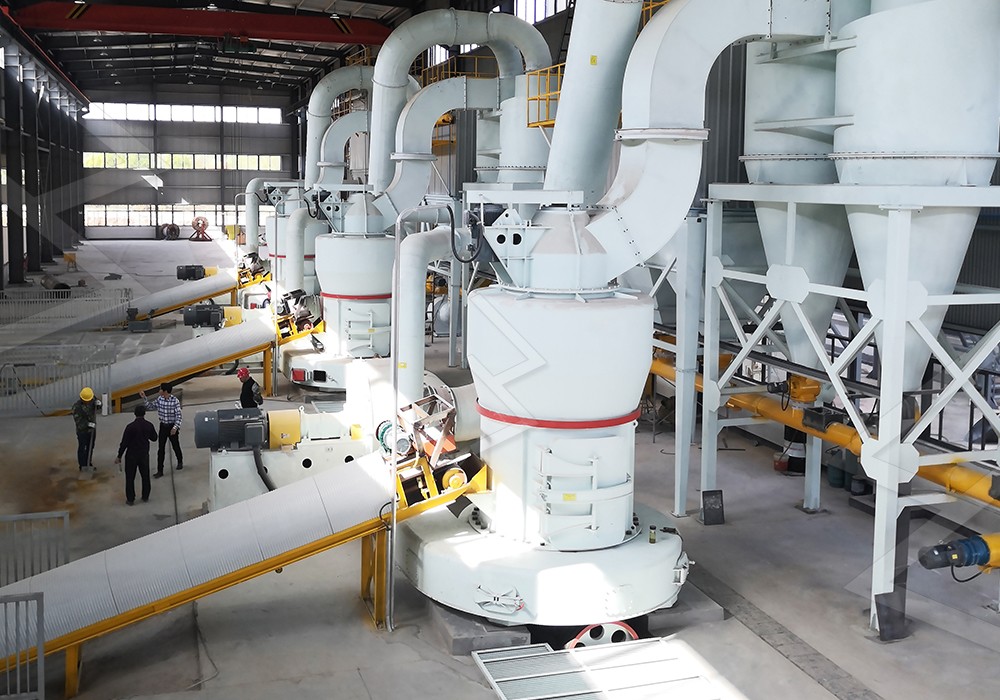
Producing quartz powder that meets the exacting standards of the electronics industry is a significant technical challenge. The process must achieve two conflicting goals: reducing particle size to the micron and sub-micron level while simultaneously avoiding contamination from the grinding equipment itself. Traditional mills can introduce metallic impurities from wear parts, rendering the batch useless for high-end applications. Furthermore, controlling heat during milling is crucial to prevent damaging the quartz’s crystalline structure.
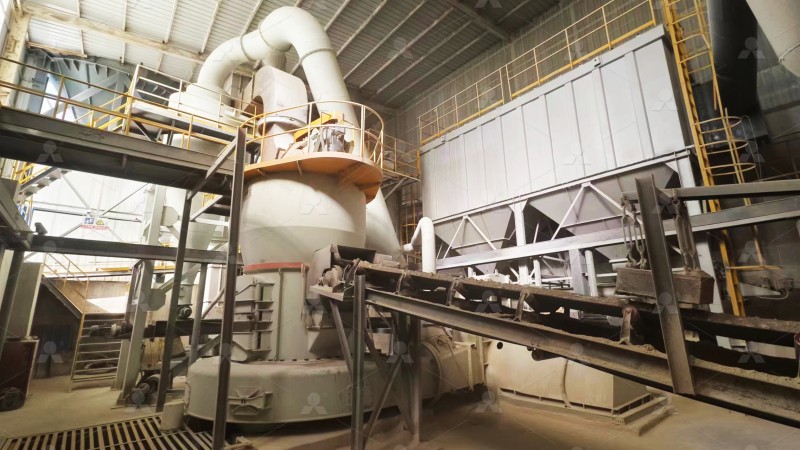
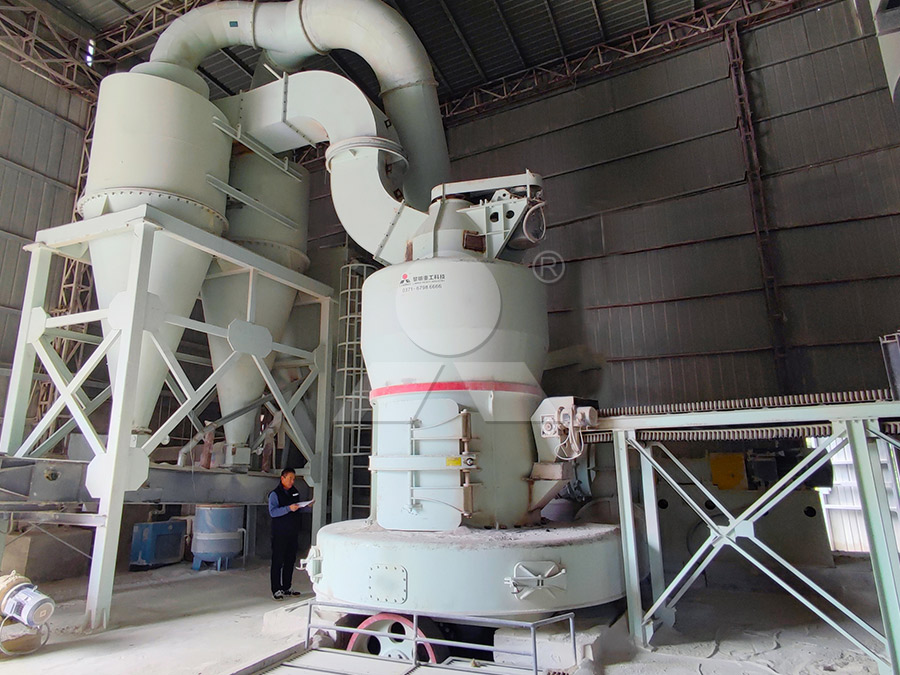
This is where advanced milling technology becomes non-negotiable. For operations demanding the highest purity and finest control over particle size, our MW Ultrafine Grinding Mill is an ideal solution. Engineered for precision, it features a unique design with no rolling bearings or screws inside the grinding chamber, virtually eliminating a major source of metallic contamination. Its German-designed cage-type powder selector allows for precise fineness adjustment between 325-2500 meshes, ensuring you hit your exact specification. With higher yield and 30% lower energy consumption compared to jet mills, it’s built for both performance and efficiency in critical applications.
For larger-scale production runs where vertical integration is key, our LUM Ultrafine Vertical Grinding Mill offers another robust option. Integrating grinding, classifying, and transporting, it employs the latest roller technology and multi-head powder separating technology to achieve exceptional product whiteness and cleanliness—a must for optical and semiconductor grades. Its reversible structure allows for easy maintenance and quick replacement of parts, minimizing downtime.
The Future is Quartz
As electronics continue to evolve, becoming smaller, faster, and more powerful, the demand for higher-purity materials will only intensify. The development of 5G, IoT, and advanced computing relies on foundational materials like quartz powder. The companies that will lead are those that invest not only in the raw material but in the advanced, contamination-free production technology required to process it. It’s a grind, but it’s what makes modern life possible.