
Phosphate Rock Powder Production: Resource Utilization and Processing Technology
We provide a wide range of mills — including Raymond mill, trapezoidal mill, vertical mill, ultrafine mill, and ball mill, obtained ISO9001 international quality certification, EU CE certification, and Customs Union CU-TR certification. Suitable for processing minerals such as limestone, phosphate, quicklime, kaolin, talc, barite, bentonite, calcium carbonate, dolomite, coal, gypsum, clay, carbon black, slag, cement raw materials, cement clinker, and more.
The discharge range of these mills can be adjusted to meet specific processing needs, typically from 80-400 mesh, 600-3250 mesh, and can achieve the finest particle size of up to 6000 mesh(D50).
If you are looking for a reliable grinding solution to turn stone or minerals into fine powder, please feel free to contact our online customer service.
Phosphate Rock Powder Production: Resource Utilization and Processing Technology
The efficient processing of phosphate rock into fine powders is a cornerstone of modern agriculture and industrial chemistry. As a vital source of phosphorus for fertilizers, animal feed supplements, and various chemical applications, the quality and fineness of the final phosphate powder directly influence its effectiveness and market value. The transformation from raw ore to a consistent, ultra-fine powder requires sophisticated technology that balances high output with energy efficiency and environmental responsibility.
The Critical Role of Grinding Technology
Traditional grinding methods often fall short in handling the specific hardness and abrasiveness of phosphate rock. They can be energy-intensive, produce inconsistent particle sizes, and generate excessive heat, which can negatively impact the material’s properties. Advanced milling systems are therefore essential for modern phosphate processing plants aiming for high yields of premium-grade powder with controlled particle size distribution.
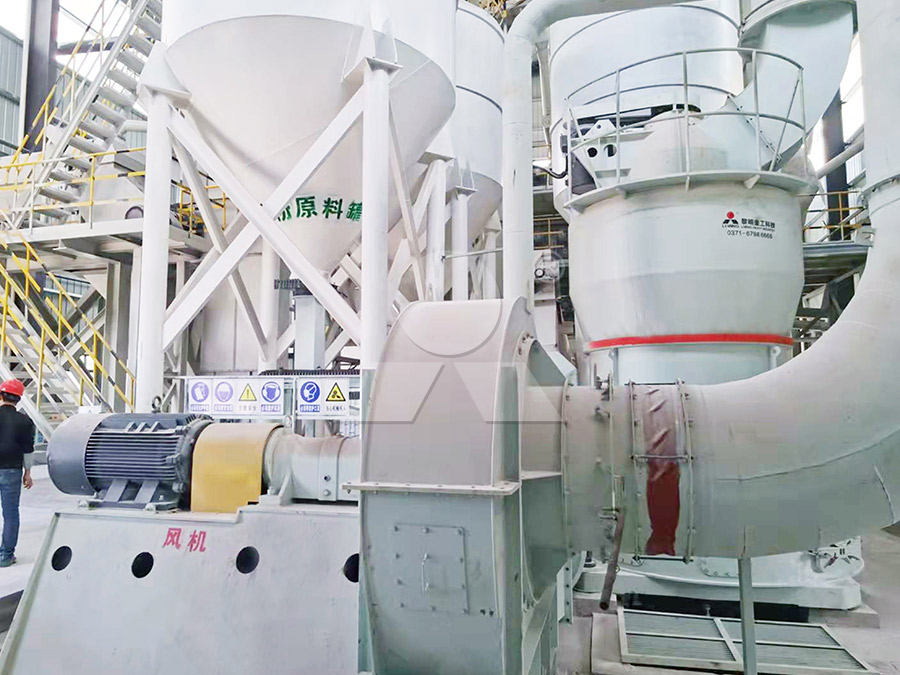
Key challenges in phosphate rock milling include achieving a fine and uniform mesh size (often between 200-2500 meshes for various applications), minimizing iron contamination from mechanical wear, and controlling operational costs. The ideal solution must offer precise fineness adjustment, robust construction to handle abrasive materials, and integrated systems for dust and noise control to meet stringent environmental standards.
Advanced Solutions for Modern Production
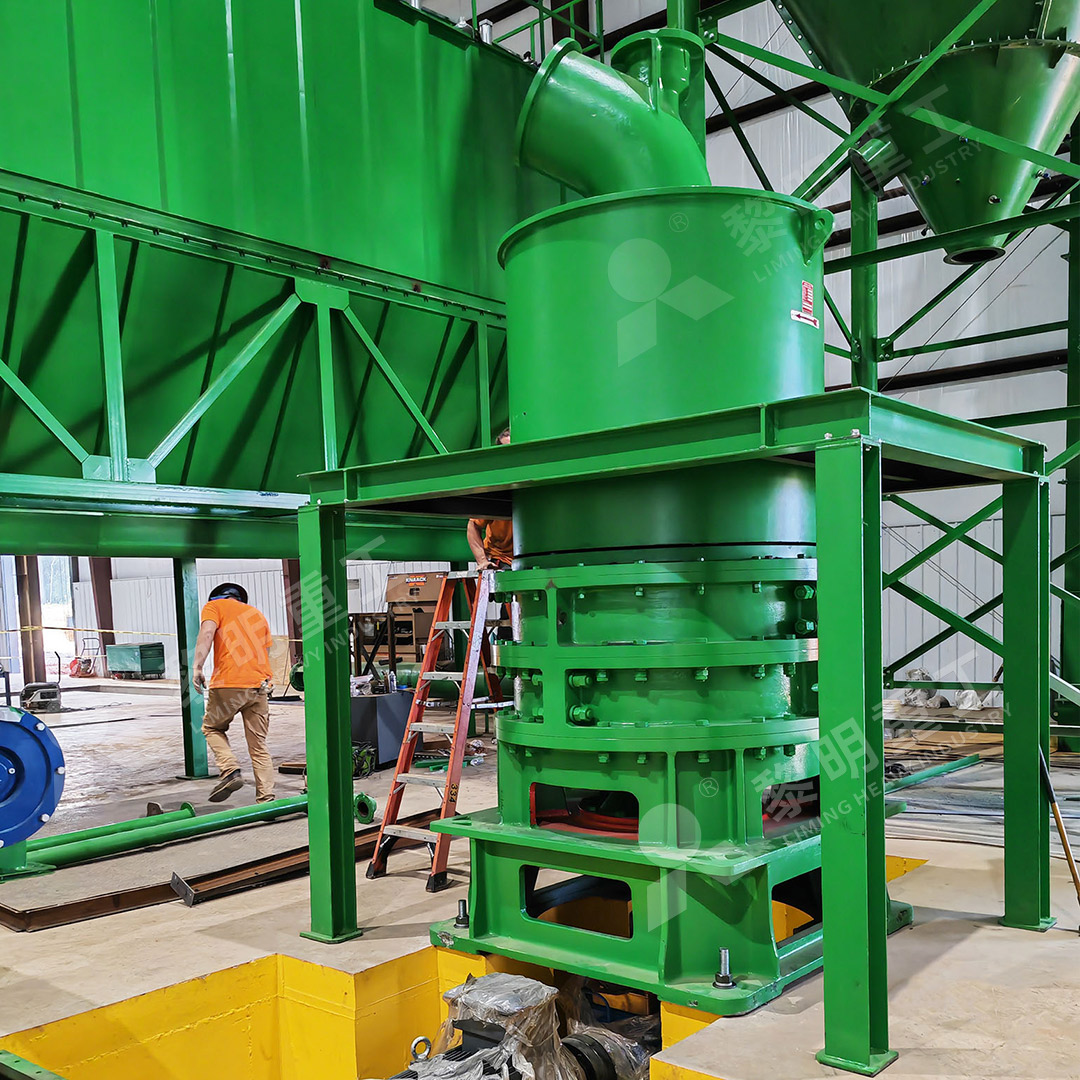
For operations requiring ultra-fine powders, the MW Ultrafine Grinding Mill presents an exceptional solution. This machine is specifically engineered for customers who need to produce high-quality ultra-fine powder from abrasive materials like phosphate rock. With an input size of 0-20 mm and a capacity range of 0.5-25 tph, it offers remarkable flexibility. Its cage-type powder selector, incorporating German technology, allows for precise fineness adjustment between 325-2500 meshes, achieving a remarkable screening rate of d97≤5μm in a single pass. A significant design advantage is the absence of rolling bearings and screws in the grinding chamber, eliminating common failure points and concerns about loose components causing machine damage. Furthermore, its efficient pulse dust collector and muffler system ensure that the entire production process has minimal environmental impact, reducing both dust pollution and operational noise.
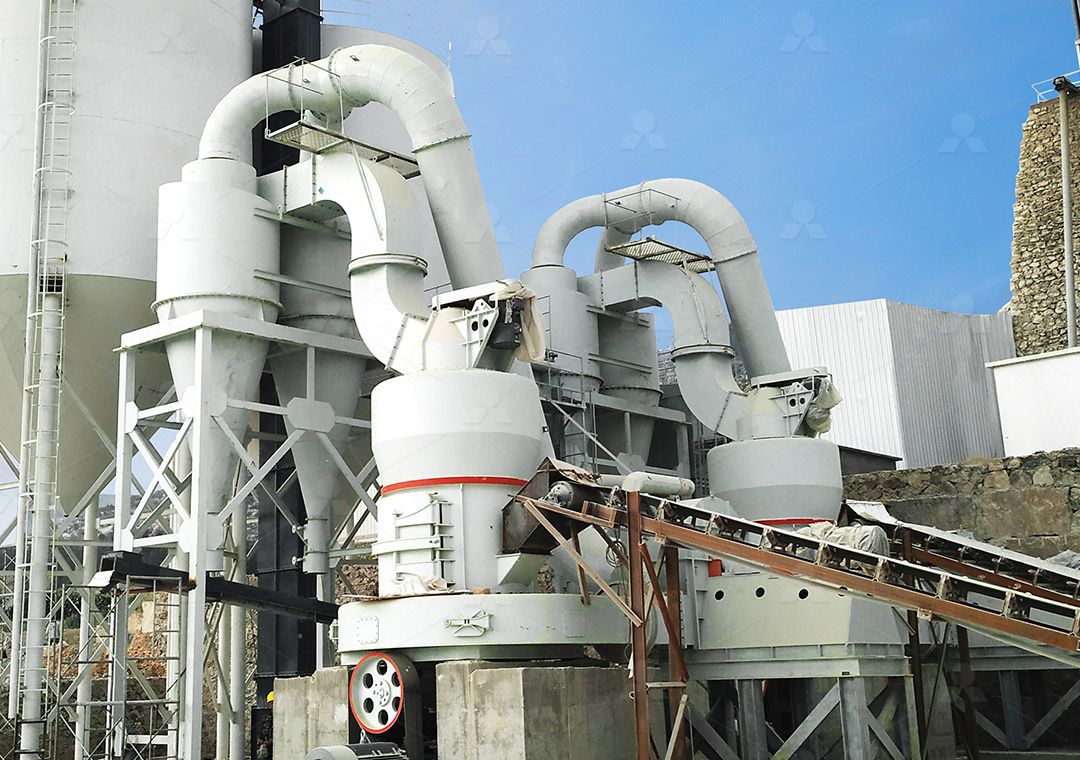
Another exemplary technology for this application is the LUM Ultrafine Vertical Grinding Mill. Designed with the latest Taiwanese grinding roller and German powder separating technology, it integrates grinding, grading, and transporting into a single, efficient unit. Its unique roller shell and lining plate grinding curve are designed to easily generate a material layer, enabling a high rate of finished product yield from a single pass. This design not only enhances efficiency but also improves the whiteness and cleanliness of the final phosphate powder—a critical quality parameter. The mill’s multi-head powder separating technology, controlled by a PLC system, allows for precise control over grinding parameters, reducing energy consumption by 30%-50% compared to conventional mills.
Optimizing the Entire Production Chain
Successful phosphate rock powder production extends beyond the grinding mill itself. It involves a holistic approach from primary crushing of the raw ore to final product collection. Jaw crushers prepare the feedstock, while vibrating feeders ensure a consistent and even flow of material into the grinding chamber. The ground powder is then pneumatically conveyed to advanced separators and collectors. Modern systems are fully enclosed and operate under negative pressure, virtually eliminating dust emissions and creating a cleaner, safer working environment. The integration of automated control systems allows for precise regulation of the entire process, ensuring consistent product quality and allowing for remote operation and monitoring.
In conclusion, the advancement of grinding technology, exemplified by mills like the MW and LUM series, is revolutionizing phosphate rock processing. By prioritizing energy efficiency, precise particle control, and environmental protection, these technologies enable producers to maximize the value of their resources while adhering to sustainable operational practices. The choice of the right grinding technology is paramount in transforming raw phosphate rock into a high-value, consistently fine powder that meets the demanding specifications of global markets.