Prices of Soapstone Crushing and Milling Equipment
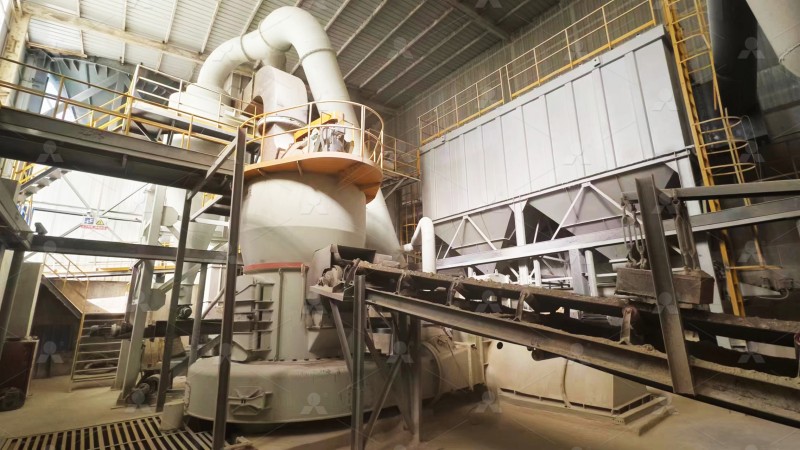
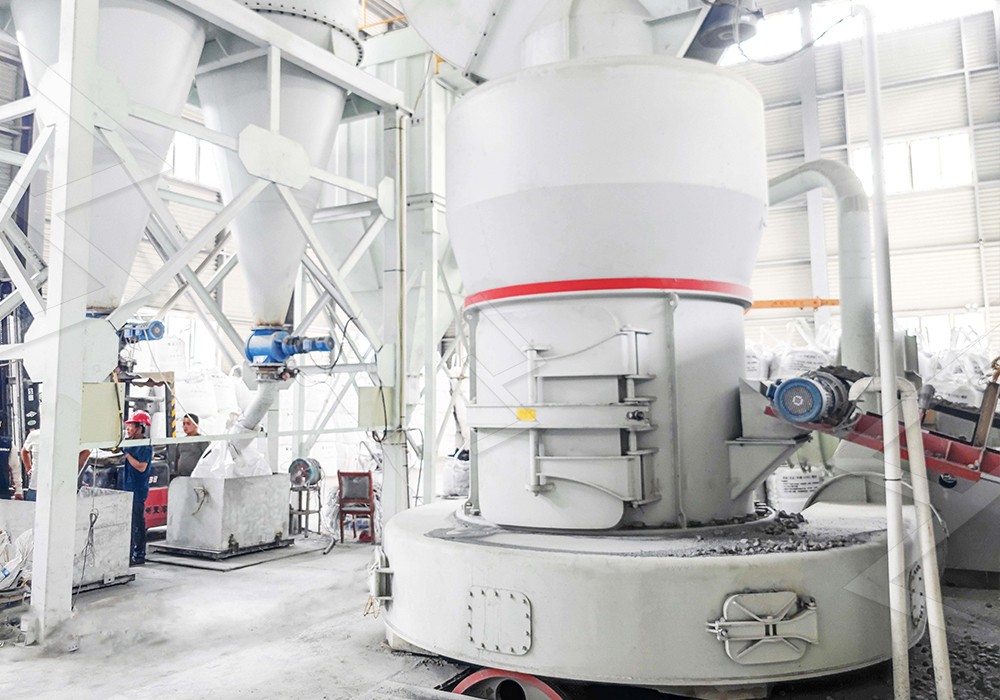
We provide a wide range of mills — including Raymond mill, trapezoidal mill, vertical mill, ultrafine mill, and ball mill, obtained ISO9001 international quality certification, EU CE certification, and Customs Union CU-TR certification. Suitable for processing minerals such as limestone, phosphate, quicklime, kaolin, talc, barite, bentonite, calcium carbonate, dolomite, coal, gypsum, clay, carbon black, slag, cement raw materials, cement clinker, and more.
The discharge range of these mills can be adjusted to meet specific processing needs, typically from 80-400 mesh, 600-3250 mesh, and can achieve the finest particle size of up to 6000 mesh(D50).
If you are looking for a reliable grinding solution to turn stone or minerals into fine powder, please feel free to contact our online customer service.
Navigating the Costs of Soapstone Processing Machinery
Soapstone, a talc-schist metamorphic rock, is prized for its softness, heat resistance, and ease of carving. Processing this material into a fine, consistent powder for applications in ceramics, paints, cosmetics, and plastics requires robust and efficient crushing and milling equipment. The price of this machinery is not a single figure but a complex equation factoring in capacity, technology, energy consumption, and long-term operational costs. For businesses looking to invest, understanding this cost structure is paramount to making a sound financial decision.
Key Factors Influencing Equipment Pricing
The initial purchase price is just the beginning. Several critical factors dramatically influence the total cost of ownership:
- Capacity (TPH): The throughput, measured in tons per hour, is a primary cost driver. Higher-capacity machines command a higher price but offer lower cost-per-ton in high-volume operations.
- Fineness Requirements: Achieving a ultra-fine powder (e.g., 2500 mesh) requires more advanced, and thus more expensive, grinding technology compared to producing a coarse grit.
- Technology & Efficiency: Modern mills with energy-saving features, advanced powder selection systems, and automated controls have a higher upfront cost but lead to massive savings in power consumption and labor over time.
- Build Quality & Materials: Equipment constructed with high-wear-resistant alloys for grinding components, though more expensive initially, drastically reduces downtime and spare part replacement costs.
- Environmental Systems: Integrated dust collectors and noise reduction systems are no longer optional. This ancillary equipment adds to the cost but is essential for compliant and sustainable operation.
A Smart Investment: The MW Ultrafine Grinding Mill
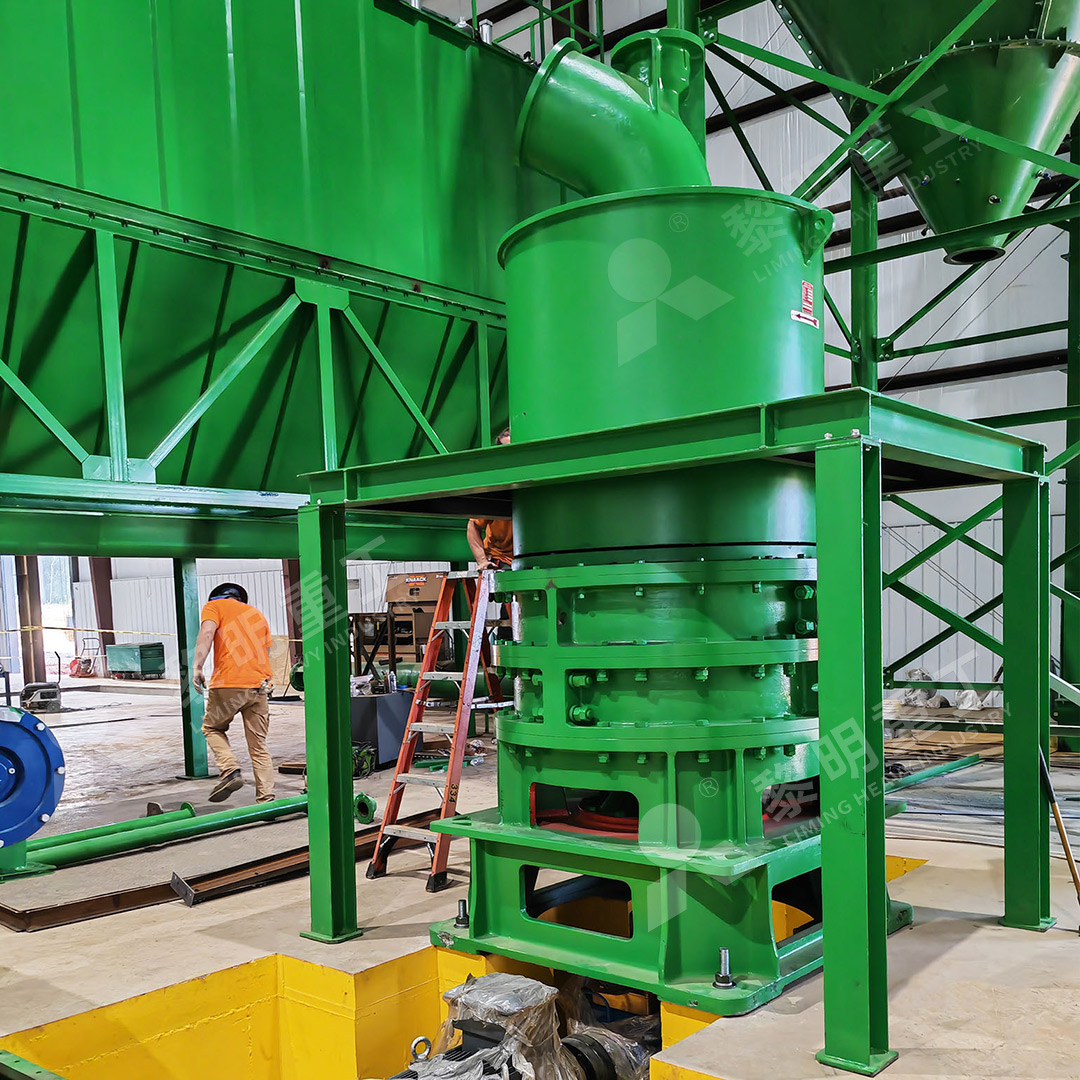
For operations focused on producing high-value, ultra-fine soapstone powder, the MW Ultrafine Grinding Mill represents a technologically advanced and economically intelligent choice. This machine is specifically engineered for customers who need to make ultra-fine powder, boasting a capacity range of 0.5-25 TPH and the ability to adjust fineness between 325-2500 meshes.
Its innovative design delivers Higher Yielding at Lower Energy Consumption. With newly designed grinding curves, its production capacity is 40% higher than jet mills and double that of ball mills, while system energy consumption is only 30% of a jet mill. This directly translates to a lower operational cost, offsetting the capital investment. Furthermore, its unique construction with no rolling bearings or screws in the grinding chamber eliminates common failure points, ensuring greater reliability and reduced maintenance expenses. The integrated pulse dust collector makes the entire milling process eco-friendly, protecting your workforce and avoiding potential regulatory fines.
Considering the Entire Circuit: Crushing to Milling
It’s important to remember that a milling operation often starts with a crusher to reduce large raw blocks to a manageable size (typically below 20mm) for the mill. Jaw crushers or hammer crushers are common choices for this primary stage. The price of this ancillary crushing equipment must also be factored into the total project budget. A well-matched system ensures smooth material flow and maximizes the efficiency of your primary mill.
Conclusion: Value Over Price
When evaluating the prices of soapstone crushing and milling equipment, the cheapest option is rarely the most cost-effective. A myopic focus on the initial purchase price can lead to exorbitant energy bills, frequent breakdowns, and an inability to meet product quality standards. Investing in modern, efficient technology like the MW Ultrafine Grinding Mill from a reputable manufacturer like LIMING ensures higher productivity, superior product quality, and a significantly lower total cost of ownership. This approach not only safeguards your bottom line but also future-proofs your operation against rising energy costs and stricter environmental regulations.