
Ball Mill Cost for 100 Ton Per Hour Cement Production Plant
We provide a wide range of mills — including Raymond mill, trapezoidal mill, vertical mill, ultrafine mill, and ball mill, obtained ISO9001 international quality certification, EU CE certification, and Customs Union CU-TR certification. Suitable for processing minerals such as limestone, phosphate, quicklime, kaolin, talc, barite, bentonite, calcium carbonate, dolomite, coal, gypsum, clay, carbon black, slag, cement raw materials, cement clinker, and more.
The discharge range of these mills can be adjusted to meet specific processing needs, typically from 80-400 mesh, 600-3250 mesh, and can achieve the finest particle size of up to 6000 mesh(D50).
If you are looking for a reliable grinding solution to turn stone or minerals into fine powder, please feel free to contact our online customer service.
Ball Mill Cost Analysis for a 100 TPH Cement Plant
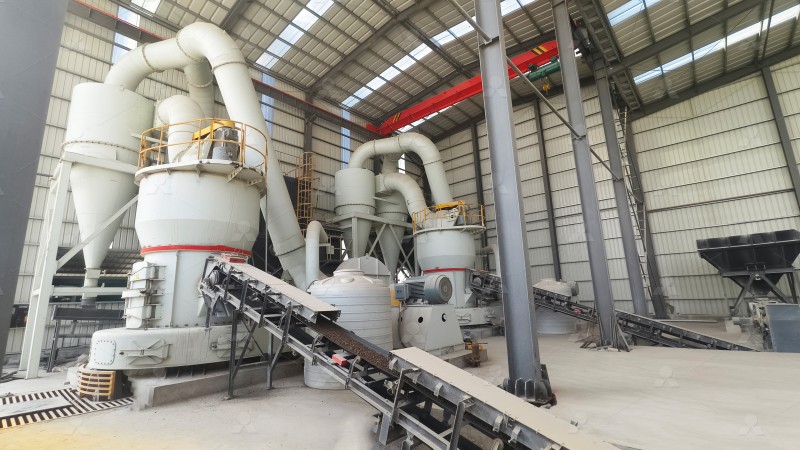
When planning a cement production plant with a capacity of 100 tons per hour, the selection and cost of the grinding mill are among the most critical decisions. The ball mill has been a traditional workhorse in the industry for decades, but its operational costs and efficiency are now under greater scrutiny than ever.
Understanding the Total Cost of Ownership
The initial purchase price of a ball mill is just one part of the equation. For a 100 TPH operation, you must consider the substantial energy consumption, maintenance downtime, and wear part replacement costs. Ball mills typically consume between 15-30 kWh per ton of cement ground, which translates to massive electricity bills at this scale. Furthermore, the grinding media (balls) and liners require frequent replacement, adding to the operational expenditure.
A Modern, Cost-Effective Alternative
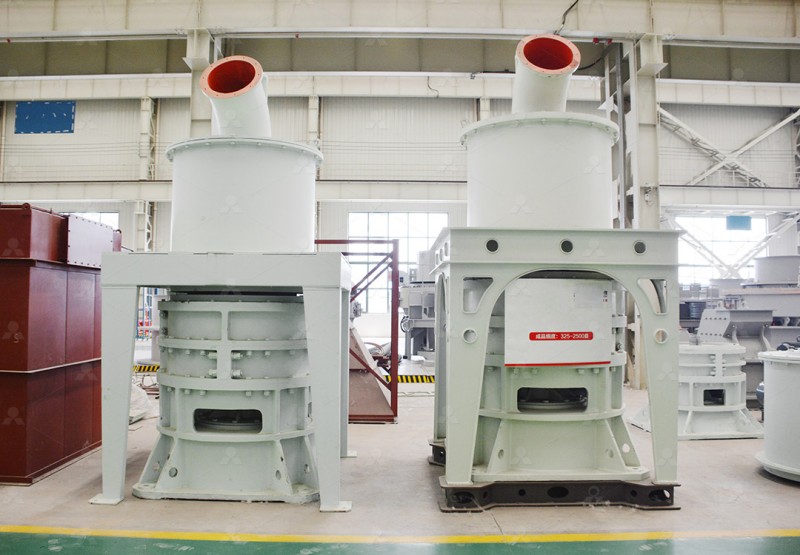
While ball mills have their place, many plant operators are now looking to newer technologies that offer significant savings. For operations requiring ultra-fine powder, our MW Ultrafine Grinding Mill presents a compelling alternative. With an input size of 0-20 mm and a capacity range of 0.5-25 tph, multiple units can be configured to meet your 100 TPH target efficiently.
Key Advantages of the MW Ultrafine Grinding Mill
- Higher Yielding, Lower Energy Consumption: Production capacity is 40% higher than jet mills and yield is twice as large as ball mills, while system energy consumption is only 30% of a jet mill.
- Adjustable Fineness: Achieve precise fineness between 325-2500 meshes to meet your exact cement quality specifications.
- Eco-Friendly Operation: Equipped with an efficient pulse dust collector and muffler, reducing both dust and noise pollution significantly.
- Worry-Free Maintenance: No rolling bearings or screws in the grinding chamber eliminate common failure points. External lubrication allows for 24/7 operation.
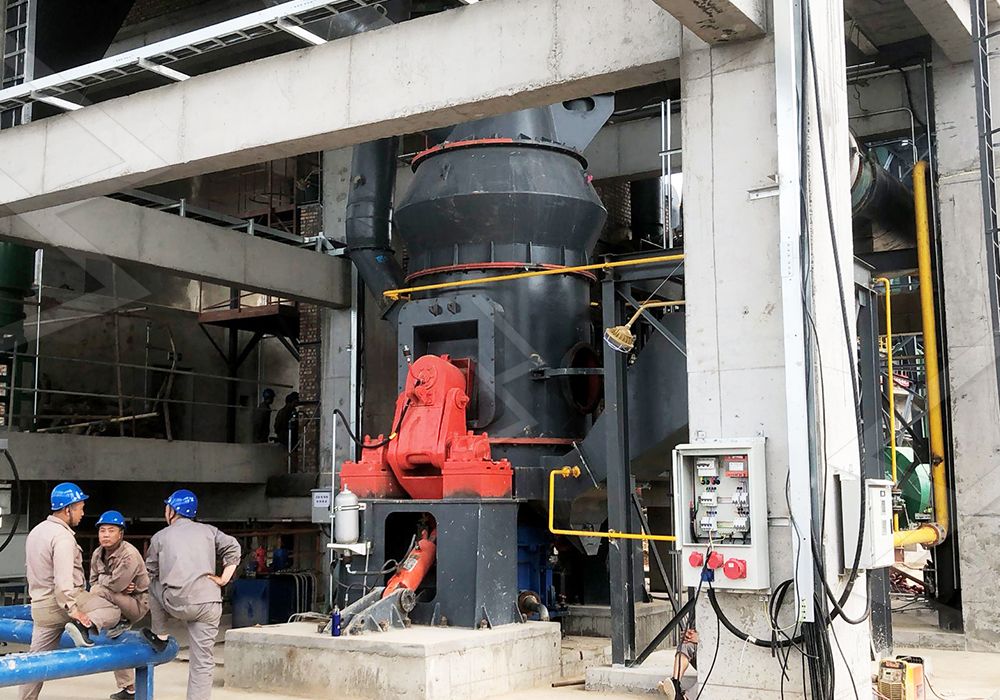
For your specific application, we would also recommend considering our LM Vertical Grinding Mill. Its integrated crushing, drying, grinding, and classifying system reduces your plant’s footprint by 50% and saves 30%-40% in energy consumption compared to a traditional ball mill setup. This is a massive advantage for a 100 TPH operation where space and power are major cost factors.
Making the Right Investment
Choosing the right mill is not just about the upfront capital; it’s about optimizing your cost per ton over the entire lifecycle of the plant. By moving away from a conventional ball mill system to a more modern, efficient solution like the MW Ultrafine Grinding Mill or the LM Vertical Mill, you can achieve a faster return on investment through drastically lower operating costs, reduced maintenance downtime, and a smaller environmental footprint. Contact our technical team today for a detailed cost-benefit analysis tailored to your 100 TPH cement production needs.