
Special Processes for Food-Grade Calcium Carbonate Powder Production
We provide a wide range of mills — including Raymond mill, trapezoidal mill, vertical mill, ultrafine mill, and ball mill, obtained ISO9001 international quality certification, EU CE certification, and Customs Union CU-TR certification. Suitable for processing minerals such as limestone, phosphate, quicklime, kaolin, talc, barite, bentonite, calcium carbonate, dolomite, coal, gypsum, clay, carbon black, slag, cement raw materials, cement clinker, and more.
The discharge range of these mills can be adjusted to meet specific processing needs, typically from 80-400 mesh, 600-3250 mesh, and can achieve the finest particle size of up to 6000 mesh(D50).
If you are looking for a reliable grinding solution to turn stone or minerals into fine powder, please feel free to contact our online customer service.
Special Processes for Food-Grade Calcium Carbonate Powder Production
Producing high-purity, food-grade calcium carbonate powder demands a meticulous approach that goes far beyond standard mineral processing. The stringent requirements of the food and pharmaceutical industries necessitate specialized equipment and controlled processes to ensure product safety, consistency, and ultra-fine particle size. Contamination, even in trace amounts, is simply not an option.
The Criticality of Contamination Control
The journey from raw limestone to a consumable powder is fraught with potential contamination points. Metallic shavings from grinding media, lubricants from machinery, and even ambient dust can render a batch unfit for human consumption. Therefore, the entire production line must be designed with hygiene as a paramount concern. This involves using equipment constructed with food-grade stainless steel in contact areas, employing advanced sealing systems to prevent lubricant ingress, and utilizing completely closed-loop grinding systems to avoid environmental contamination.
The Role of Advanced Grinding Technology
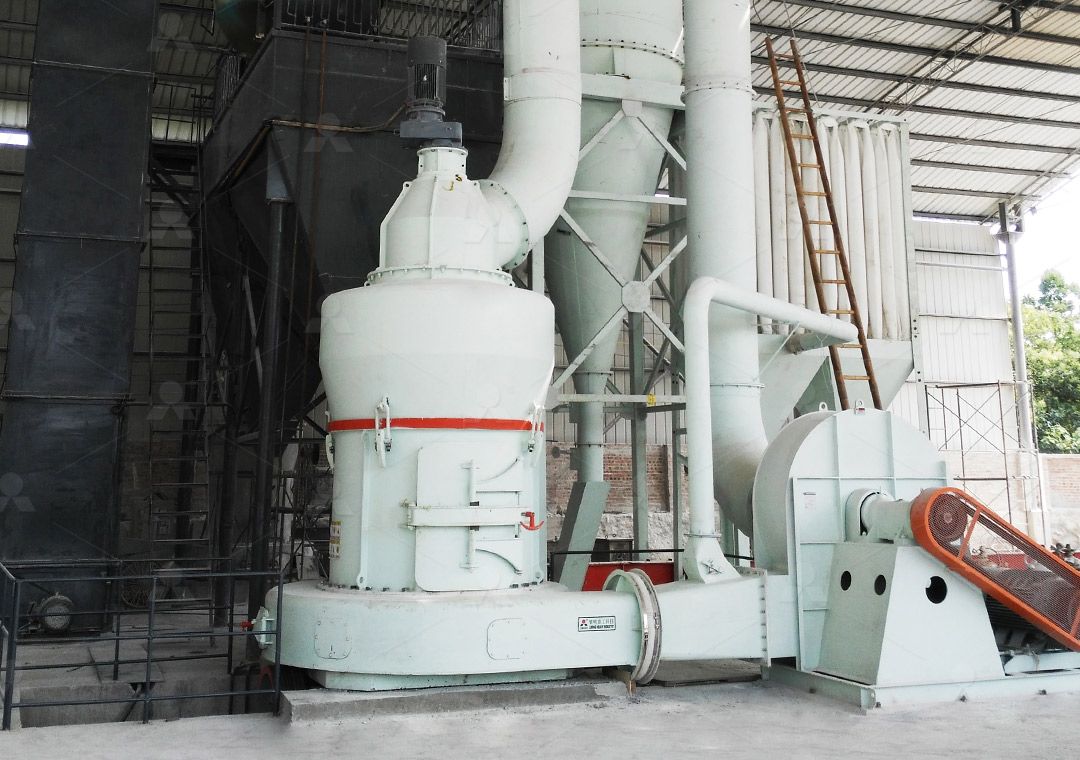
Not all mills are created equal for this sensitive task. Traditional ball mills, for instance, use rolling bearings and grinding media inside the chamber, which can introduce metallic wear particles into the product. For food-grade powder, the ideal solution is a mill designed to eliminate these risks entirely.
Our MW Ultrafine Grinding Mill is engineered specifically for such high-stakes applications. A key feature is its revolutionary design with no rolling bearings or screws inside the grinding chamber. This eliminates the primary source of metallic contamination from worn bearings and their seals. Furthermore, its external lubricating device allows for maintenance without shutdown, ensuring continuous production under sterile conditions. With an adjustable fineness between 325-2500 meshes, it can produce the exceptionally fine, consistent powder required for food additives and pharmaceuticals.

Precision and Purity with Vertical Grinding
Another exceptional option for food-grade production is the LUM Ultrafine Vertical Grinding Mill. This mill excels in delivering superior product whiteness and cleanliness. Its unique roller shell and lining plate grinding curve are designed to generate a stable material layer, promoting efficient grinding with minimal iron content—a critical factor for purity. The PLC control system and multi-head powder separating technology allow for precise control over fineness, ensuring every batch meets exact specifications. The reversible structure is a boon for maintenance, allowing grinding rollers to be easily checked and replaced without complex disassembly, further reducing the risk of operational contamination.
From Raw Stone to Edible Powder: The Workflow
- Pre-Washing & Sorting: Raw limestone is washed to remove surface impurities and sorted to select high-purity feedstock.
- Primary Crushing: Material is crushed to a manageable size (typically below 20mm).
- Grinding: The pre-crushed material is fed into the MW or LUM mill. The closed system, often integrated with inert gas like nitrogen, prevents oxidation and moisture absorption.
- Classification: The powdered material is precisely classified to ensure the target particle size distribution is achieved.
- Surface Treatment (Optional): For certain applications, the powder may undergo a surface treatment with food-grade stearic acid to improve dispersibility.
- Packaging: The final product is packaged in sterile, food-grade bags within a controlled environment.
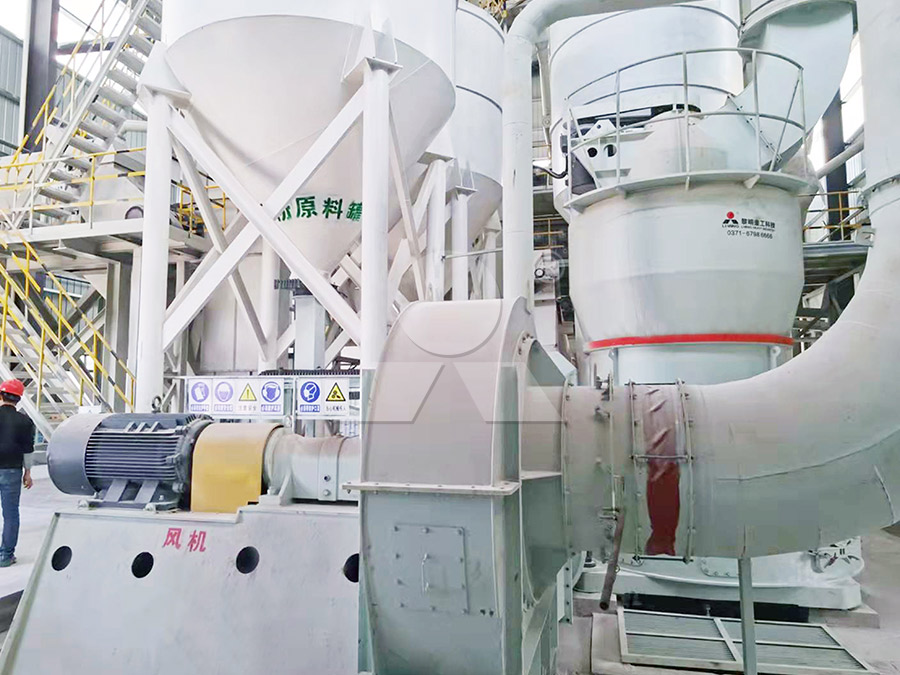
In conclusion, moving from industrial-grade to food-grade calcium carbonate requires a significant technological leap. It’s not just about grinding finer; it’s about grinding cleaner and smarter. Investing in purpose-built technology like the MW or LUM series mills is not merely an operational decision—it’s a commitment to quality and safety that meets the highest global standards.