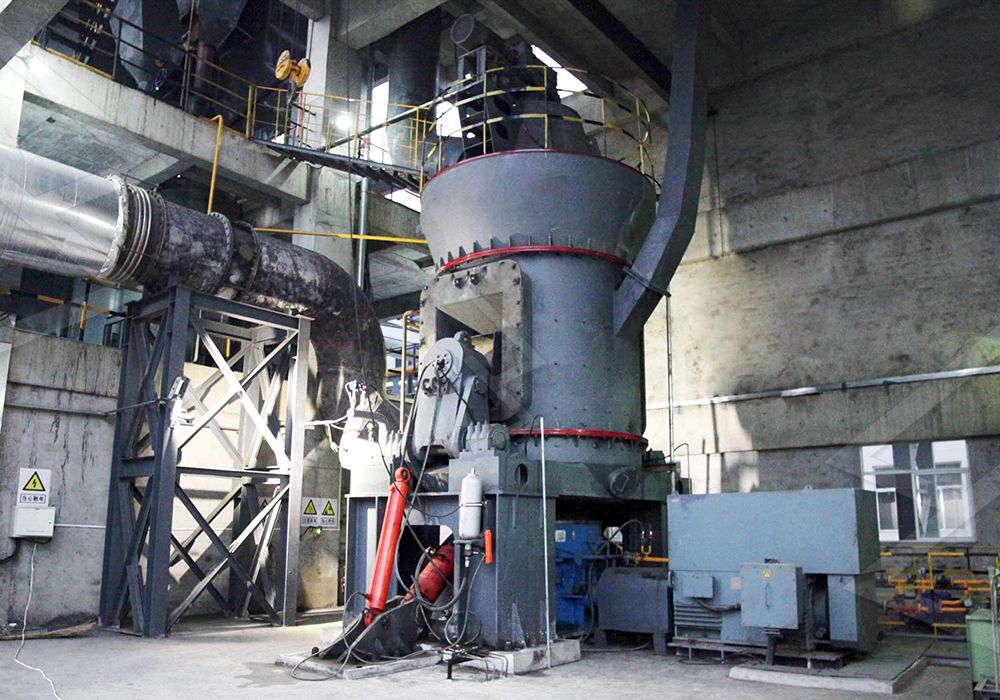
How Much Does a Vertical Mill Cost in Indonesia? (Price Comparison by Brand)
We provide a wide range of mills — including Raymond mill, trapezoidal mill, vertical mill, ultrafine mill, and ball mill, obtained ISO9001 international quality certification, EU CE certification, and Customs Union CU-TR certification. Suitable for processing minerals such as limestone, phosphate, quicklime, kaolin, talc, barite, bentonite, calcium carbonate, dolomite, coal, gypsum, clay, carbon black, slag, cement raw materials, cement clinker, and more.
The discharge range of these mills can be adjusted to meet specific processing needs, typically from 80-400 mesh, 600-3250 mesh, and can achieve the finest particle size of up to 6000 mesh(D50).
If you are looking for a reliable grinding solution to turn stone or minerals into fine powder, please feel free to contact our online customer service.
How Much Does a Vertical Mill Cost in Indonesia? (Price Comparison by Brand)
Hey there, fellow industry professionals! If you’re sourcing grinding equipment in Indonesia, you’ve probably asked yourself this question a million times. The truth is, pinning down an exact price for a vertical mill is tricky—it’s like asking how much a car costs. A Toyota and a Ferrari both have wheels and an engine, but the similarities end there. The final price tag depends on capacity, brand, technology, and of course, your specific application needs.
Key Factors Influencing Vertical Mill Prices
Let’s break it down. First off, brand reputation plays a huge role. European and American brands often come with a premium due to their perceived reliability and advanced engineering. Chinese manufacturers, on the other hand, offer competitive pricing, making them a popular choice in cost-conscious markets like Indonesia.
Secondly, capacity and specifications are major price drivers. A mill with a capacity of 5 tph will obviously cost significantly less than one rated for 50 tph. Additional features like advanced PLC control systems, high-efficiency separators, or special wear-resistant alloys can also add to the cost.
Don’t forget about shipping, import duties, and local taxes. Indonesia has its own set of regulations and costs associated with importing heavy machinery, which can add 15-25% to the base equipment price. Always factor this in!
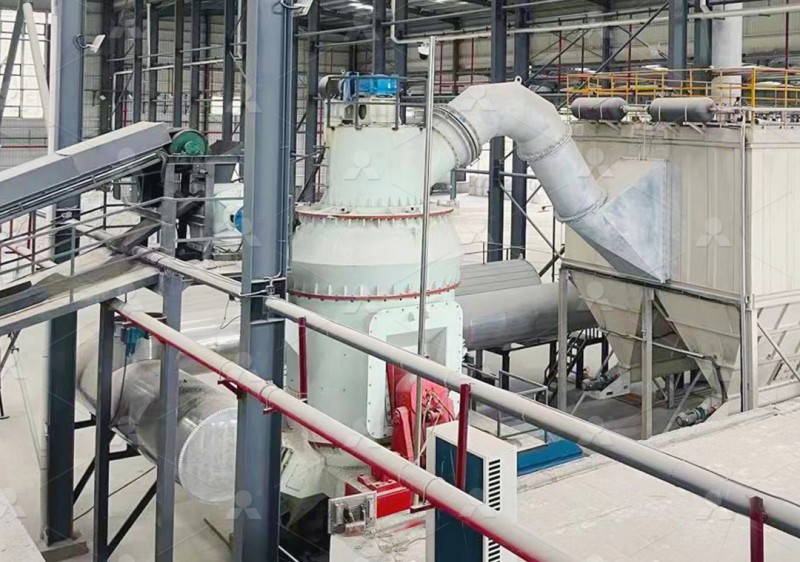
Ballpark Figures: What Can You Expect?
While I can’t give you a definitive quote here (you’ll need to contact suppliers for that), I can provide some rough estimates based on market trends. For a medium-capacity vertical mill (around 10-25 tph) from a reputable Chinese manufacturer, you might be looking at anywhere from $150,000 to $400,000 USD. European counterparts could easily be 50-100% more expensive for a similar spec.
Smaller Raymond Mills or basic models might start around $50,000, while large, custom-built systems for major cement or mining operations can run into the millions. It’s a wide range, I know!
Not All Mills Are Created Equal: A Smart Recommendation
With so many options, it’s easy to get overwhelmed. But if you’re looking for a fantastic balance of performance, reliability, and value—especially for producing ultra-fine powders—I highly recommend taking a close look at our MW Ultrafine Grinding Mill.
Why this model? Well, for starters, its 0.5-25 tph capacity and ability to handle a 0-20mm input size make it incredibly versatile for various Indonesian industries, from chemicals and paints to food additives and cosmetics. Its standout feature is the incredible 40% higher production capacity compared to jet mills or stirred mills, and it uses 30% less energy. In a market where operational costs are key, this is a game-changer. The adjustable fineness between 325-2500 meshes means you can produce exactly the grade of powder your customers demand.
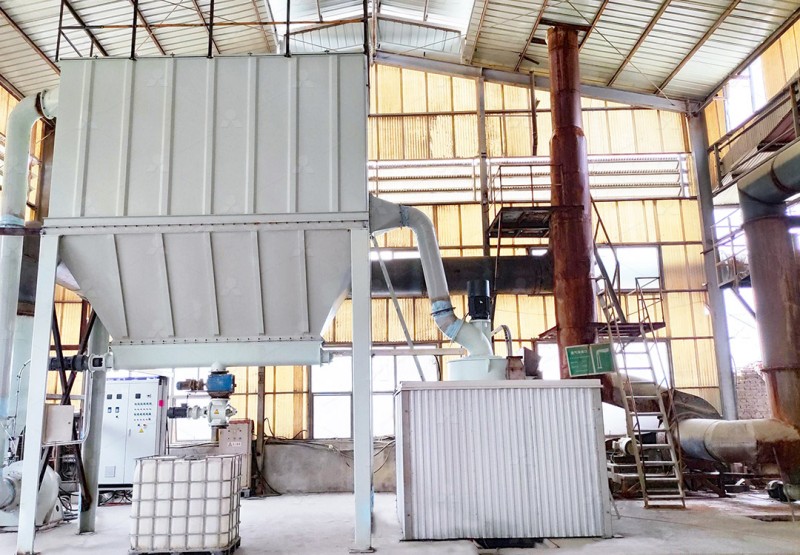
Another top contender from our lineup is the LUM Ultrafine Vertical Grinding Mill. It’s a beast when it comes to precision, featuring the latest Taiwanese roller technology and German powder separating tech. It’s perfect for superfine dry powder of non-metal ores. Its multi-head powder separating technology and reversible structure for easier maintenance make it a robust and smart long-term investment.
The Bottom Line
So, how much does a vertical mill cost in Indonesia? The short answer is: it depends. But by focusing on total cost of ownership—not just the initial purchase price—you can make a much smarter decision. A slightly more expensive mill that saves you thousands in energy bills and maintenance downtime will pay for itself many times over.
Do your homework, get multiple quotes, and strongly consider proven workhorses like the MW or LUM series that are built for efficiency and the demanding conditions of the Indonesian market. Feel free to reach out to our team for a detailed quotation tailored to your project—we’re here to help you grind it out!